
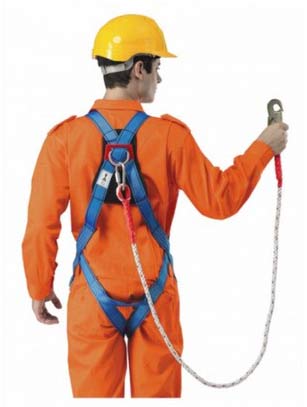
The Importance of Using a Harness and Lanyard for Fall Protection
When it comes to working at heights, safety should always be the top priority. One crucial piece of equipment that can save lives in such situations is a harness and lanyard. These two items are essential components of fall protection systems and are designed to prevent workers from falling and minimise the risk of serious injuries.
A harness is a piece of safety equipment that fits securely around the wearer’s body and is typically made of durable materials like nylon or polyester. It consists of straps that distribute the force of a fall across the body, reducing the impact on any one area. A properly fitted harness should be comfortable to wear for extended periods while providing maximum protection in case of a fall.
Complementing the harness is the lanyard, which is a flexible line that connects the harness to an anchor point or lifeline. The lanyard acts as a shock absorber, reducing the force exerted on the wearer during a fall. It also limits how far a person can fall, preventing them from hitting the ground or other hazards below.
Using a harness and lanyard correctly is vital for ensuring worker safety when working at heights. Before starting any task, workers should undergo proper training on how to inspect, fit, and use their harness and lanyard correctly. Regular inspections should also be conducted to check for signs of wear or damage that could compromise their effectiveness.
Employers have a legal responsibility to provide suitable fall protection equipment, including harnesses and lanyards, to workers who may be exposed to fall hazards. By investing in high-quality equipment and ensuring proper training and maintenance procedures are in place, employers can create a safe working environment where employees can perform their duties confidently and securely.
In conclusion, harnesses and lanyards play a crucial role in preventing falls and protecting workers at height. By understanding their importance and following best practices for their use, we can help ensure that everyone returns home safely at the end of each workday.
Essential Tips for Proper Use and Maintenance of Harnesses and Lanyards
- Always inspect your harness and lanyard for wear and damage before use.
- Ensure that the harness fits snugly but comfortably, with all straps adjusted properly.
- Check that the lanyard is compatible with the harness and suitable for the task at hand.
- Use a shock-absorbing lanyard to reduce impact forces in case of a fall.
- Regularly maintain and clean your equipment according to the manufacturer’s instructions.
- Store harnesses and lanyards in a cool, dry place away from direct sunlight when not in use.
- Ensure that all connectors are securely fastened before starting work at height.
- Undergo proper training on how to correctly use fall protection equipment.
Always inspect your harness and lanyard for wear and damage before use.
It is essential to always inspect your harness and lanyard for wear and damage before each use. Regularly checking these safety equipment items ensures that they are in good condition and able to provide the necessary protection in case of a fall. Any signs of wear or damage should be addressed immediately, and the equipment should not be used until it has been repaired or replaced. By taking the time to inspect your harness and lanyard before use, you are prioritising your safety and minimising the risks associated with working at heights.
Ensure that the harness fits snugly but comfortably, with all straps adjusted properly.
It is crucial to ensure that the harness fits snugly but comfortably, with all straps adjusted properly. A well-fitted harness not only enhances comfort for the wearer but also plays a significant role in ensuring effective fall protection. When all straps are adjusted correctly, the harness distributes the force of a fall evenly across the body, reducing the risk of injury. Proper adjustment also prevents the harness from shifting or coming loose during work at heights, providing added security and peace of mind for workers.
Check that the lanyard is compatible with the harness and suitable for the task at hand.
It is essential to check that the lanyard is compatible with the harness and suitable for the task at hand. Using a lanyard that is not designed to work with a specific harness can compromise safety and increase the risk of accidents. Ensuring that the lanyard and harness are compatible guarantees proper functionality and effectiveness in providing fall protection. Before starting any work at height, always verify that the lanyard is suitable for use with the harness being worn and appropriate for the specific task to be undertaken.
Use a shock-absorbing lanyard to reduce impact forces in case of a fall.
Using a shock-absorbing lanyard is a critical tip to reduce impact forces in the event of a fall when working at heights. The shock-absorbing feature of the lanyard helps to cushion the fall and lessen the force exerted on the body, significantly reducing the risk of serious injuries. By incorporating a shock-absorbing lanyard into your fall protection system, you are taking a proactive step towards enhancing safety and ensuring that you are adequately protected while carrying out tasks at elevated levels.
Regularly maintain and clean your equipment according to the manufacturer’s instructions.
It is essential to regularly maintain and clean your harness and lanyard according to the manufacturer’s instructions. Proper maintenance ensures that the equipment remains in good working condition and can effectively protect you in case of a fall. By following the manufacturer’s guidelines for cleaning and upkeep, you can prolong the lifespan of your harness and lanyard, as well as ensure that they function optimally when needed. Remember, a well-maintained harness and lanyard are key to your safety when working at heights.
Store harnesses and lanyards in a cool, dry place away from direct sunlight when not in use.
It is important to store harnesses and lanyards in a cool, dry place away from direct sunlight when not in use. Exposure to sunlight and moisture can degrade the materials and compromise the integrity of the equipment, reducing its effectiveness in case of a fall. By storing harnesses and lanyards properly, you can help extend their lifespan and ensure that they are ready for use when needed, maintaining optimal safety standards for workers at height.
Ensure that all connectors are securely fastened before starting work at height.
Before commencing any work at height, it is crucial to ensure that all connectors on the harness and lanyard are securely fastened. Properly securing the connectors not only enhances the effectiveness of the fall protection system but also minimises the risk of accidents or injuries. By taking the time to double-check that all connections are tight and properly engaged, workers can significantly reduce the chances of incidents while working at elevated levels. This simple yet essential precaution can make a significant difference in maintaining a safe and secure working environment for everyone involved in tasks at height.
Undergo proper training on how to correctly use fall protection equipment.
It is essential to undergo proper training on how to correctly use fall protection equipment, such as harnesses and lanyards. By receiving thorough instruction on the inspection, fitting, and usage of this equipment, workers can ensure their safety when working at heights. Proper training not only reduces the risk of accidents but also empowers individuals to confidently perform their tasks while adhering to the highest safety standards. Investing time in training can make a significant difference in preventing falls and protecting workers in hazardous environments.