
Full Body Fall Arrest System: Ensuring Safety at Heights
Working at heights poses significant risks, and falls from elevation are a leading cause of serious injuries and fatalities in various industries. To mitigate these risks, the use of a full body fall arrest system is crucial in ensuring the safety of workers operating at elevated positions.
A full body fall arrest system is a comprehensive safety harness ensemble designed to protect workers in the event of a fall. Consisting of a harness, lanyard, and anchorage point, this system is engineered to distribute forces across the body and prevent free falls that could result in severe injuries or death.
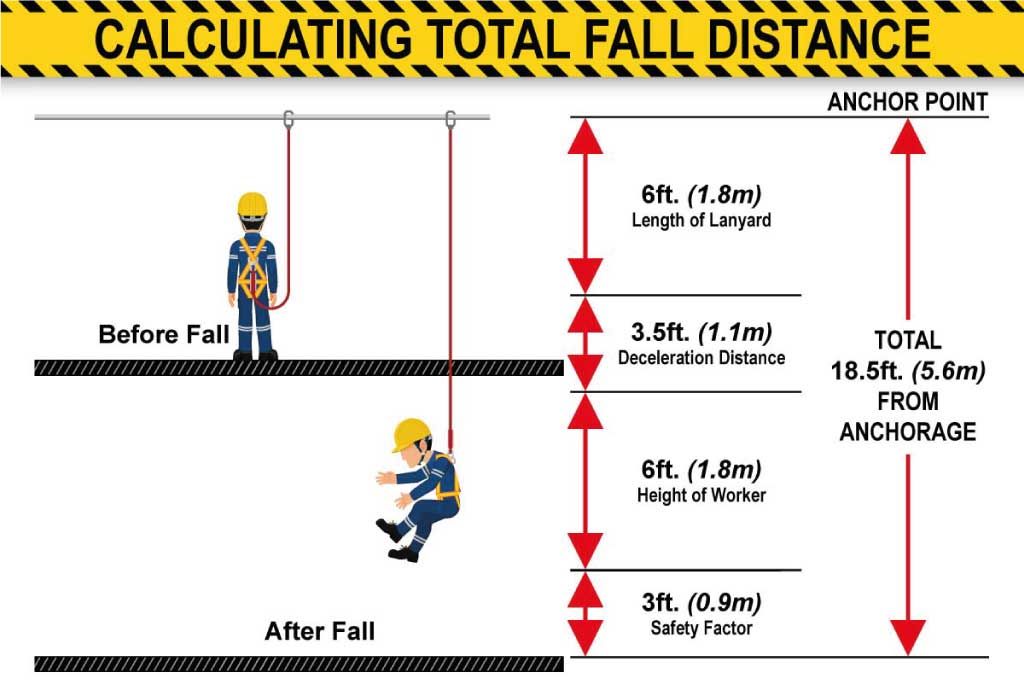
The harness component of the system fits securely around the worker’s torso, shoulders, and legs, providing support and distributing impact forces evenly in the event of a fall. The lanyard connects the harness to a secure anchorage point, allowing for limited movement while preventing a free fall.
Employers have a legal responsibility to ensure that workers are provided with appropriate fall protection equipment when working at heights. A full body fall arrest system not only helps comply with safety regulations but also demonstrates a commitment to prioritising worker safety.
Regular inspection and maintenance of fall arrest systems are essential to ensure their effectiveness. Proper training on how to correctly wear and use the equipment is also crucial in maximising safety outcomes for workers operating at elevated positions.
In conclusion, investing in a full body fall arrest system is an integral part of creating a safe working environment for individuals exposed to height-related hazards. By implementing proper safety measures and providing adequate protective equipment, employers can significantly reduce the risk of falls and protect the well-being of their workforce.
Understanding Full Body Fall Arrest Systems: Key FAQs Answered
- What is a full body fall arrest system?
- How does a full body fall arrest system work?
- Why is a full body fall arrest system important when working at heights?
- What components make up a full body fall arrest system?
- How should a full body fall arrest system be inspected and maintained?
- Is training required for using a full body fall arrest system?
What is a full body fall arrest system?
A full body fall arrest system is a comprehensive safety harness ensemble designed to protect workers operating at heights in the event of a fall. Consisting of a harness, lanyard, and anchorage point, this essential safety equipment is engineered to distribute impact forces across the body and prevent free falls that could lead to serious injuries or fatalities. By securely fitting around the torso, shoulders, and legs of the worker, the harness provides support and ensures even force distribution in case of a fall. The lanyard connects the harness to a secure anchorage point, allowing for limited movement while preventing uncontrolled descents. This critical safety system not only helps comply with legal regulations but also demonstrates a commitment to prioritising worker safety when working at elevated positions.
How does a full body fall arrest system work?
A full body fall arrest system operates by providing comprehensive protection to individuals working at elevated heights. The system consists of a harness that securely fits around the worker’s torso, shoulders, and legs, distributing impact forces evenly in the event of a fall. Connected to a secure anchorage point via a lanyard, the system allows limited movement while preventing free falls. In essence, the full body fall arrest system functions as a safety net, ensuring that if a worker falls, the equipment will engage to stop the fall and reduce the risk of serious injuries or fatalities. Regular inspection and proper training on using the system are essential to ensure its effectiveness in safeguarding workers operating at heights.
Why is a full body fall arrest system important when working at heights?
When working at heights, a full body fall arrest system is crucial for ensuring the safety of individuals. This comprehensive safety harness ensemble plays a vital role in protecting workers in the event of a fall from elevation. By distributing impact forces across the body and preventing free falls, the full body fall arrest system significantly reduces the risk of severe injuries or fatalities that can occur when working at elevated positions. Employing this safety measure not only helps comply with legal requirements but also demonstrates a commitment to prioritising worker safety in hazardous environments.
What components make up a full body fall arrest system?
A full body fall arrest system comprises essential components designed to ensure the safety of individuals working at heights. These components typically include a harness, lanyard, and anchorage point. The harness is worn by the worker and secures around the torso, shoulders, and legs to provide support and distribute impact forces in the event of a fall. The lanyard connects the harness to a secure anchorage point, allowing limited movement while preventing free falls. Together, these components work in harmony to protect individuals from serious injuries or fatalities by arresting falls and reducing the impact of sudden stops. It is crucial for workers to understand how each component functions and to use them correctly to maximise safety when operating at elevated positions.
How should a full body fall arrest system be inspected and maintained?
When it comes to inspecting and maintaining a full body fall arrest system, thoroughness and regularity are key. Inspections should be conducted before each use to check for any signs of wear, damage, or defects. This includes examining the harness, lanyard, connectors, and anchorage points for any issues that could compromise safety. Any damaged components should be replaced immediately by qualified personnel. Additionally, the fall arrest system should undergo periodic detailed inspections by trained professionals to ensure compliance with safety standards and regulations. Regular maintenance, such as cleaning and proper storage, is essential to prolong the lifespan and effectiveness of the equipment, ultimately safeguarding the well-being of workers at heights.
Is training required for using a full body fall arrest system?
Training is indeed essential for using a full body fall arrest system effectively and safely. Proper training ensures that individuals understand how to correctly wear, adjust, and connect the components of the system. It also educates users on how to inspect the equipment for any signs of damage or wear and how to respond in the event of a fall. By receiving comprehensive training on the use of a full body fall arrest system, individuals can confidently navigate work at heights while minimising risks and ensuring their safety.