
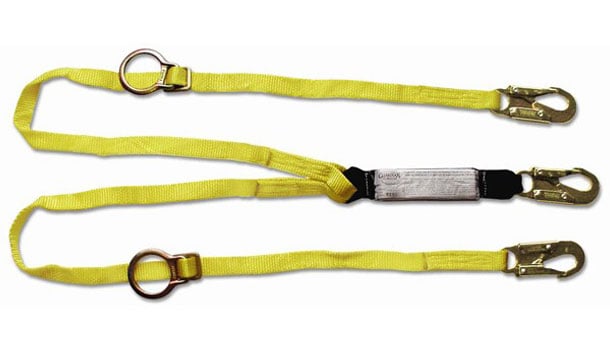
The Importance of Fall Protection Harness Lanyards
Fall protection harness lanyards are essential safety equipment used in various industries where working at heights is common. These lanyards play a crucial role in preventing falls and protecting workers from serious injuries or even fatalities.
Designed to be attached to a safety harness and an anchor point, fall protection harness lanyards act as a lifeline for workers at elevated work sites. In the event of a fall, the lanyard absorbs the energy of the fall and reduces the impact on the worker’s body, preventing them from hitting the ground.
There are different types of fall protection harness lanyards available, including shock-absorbing lanyards, positioning lanyards, and restraint lanyards. Each type serves a specific purpose and provides varying levels of protection depending on the nature of the work being carried out.
Employers have a legal responsibility to ensure that workers who are exposed to fall hazards are provided with appropriate fall protection equipment, including harnesses and lanyards. Regular inspection and maintenance of these safety devices are also crucial to ensure their effectiveness in an emergency.
Proper training on the correct use of fall protection harness lanyards is equally important. Workers should be educated on how to inspect their equipment before each use, how to properly fit and adjust their harnesses, and how to connect and secure their lanyards to anchor points.
By investing in high-quality fall protection harness lanyards and providing comprehensive training to workers, employers can create a safer work environment and reduce the risk of falls from heights. Prioritising worker safety not only protects employees from harm but also enhances productivity and morale in the workplace.
Essential Safety Tips for Using Fall Protection Harness Lanyards
- Always inspect the harness lanyard before each use for any signs of wear or damage.
- Ensure the harness lanyard is properly adjusted and fits snugly to your body.
- Use a shock-absorbing lanyard to reduce the impact in case of a fall.
- Avoid creating slack in the lanyard to minimize free fall distance.
- Regularly train on proper donning and doffing procedures for the harness lanyard.
- Do not attach multiple workers to a single harness lanyard unless it is specifically designed for that purpose.
- Follow manufacturer’s guidelines and instructions for proper use and maintenance of the harness lanyard.
Always inspect the harness lanyard before each use for any signs of wear or damage.
It is crucial to always inspect the fall protection harness lanyard before each use for any signs of wear or damage. Regular inspections help ensure that the lanyard is in good condition and can effectively protect the worker in case of a fall. By thoroughly checking for wear, tears, fraying, or other forms of damage, workers can identify potential issues early on and prevent accidents or injuries while working at heights. Prioritising this simple yet essential step in safety procedures can make a significant difference in maintaining a safe working environment and protecting individuals from harm.
Ensure the harness lanyard is properly adjusted and fits snugly to your body.
To ensure maximum safety when using a fall protection harness lanyard, it is crucial to make sure that the lanyard is properly adjusted and fits snugly to your body. A well-fitted harness lanyard reduces the risk of slippage or improper positioning in the event of a fall, providing better support and protection for the wearer. By taking the time to adjust the harness lanyard correctly and ensuring a secure fit, workers can significantly enhance their safety while working at heights.
Use a shock-absorbing lanyard to reduce the impact in case of a fall.
Using a shock-absorbing lanyard is a crucial tip for enhancing fall protection safety measures. In the unfortunate event of a fall, the shock-absorbing lanyard plays a vital role in reducing the impact on the worker’s body by absorbing and dissipating the energy generated during the fall. This feature not only minimises the risk of serious injuries but also provides added reassurance to workers operating at elevated heights. By incorporating a shock-absorbing lanyard into their fall protection gear, workers can work with greater confidence knowing that they have an extra layer of protection in place.
Avoid creating slack in the lanyard to minimize free fall distance.
To enhance safety when using fall protection harness lanyards, it is crucial to avoid creating slack in the lanyard. By ensuring that the lanyard remains taut and free of slack, workers can minimise the free fall distance in the event of a fall. This practice reduces the impact on the body and enhances the effectiveness of the lanyard in preventing serious injuries. Maintaining proper tension in the lanyard is a simple yet effective way to improve fall protection measures and protect workers at elevated work sites.
Regularly train on proper donning and doffing procedures for the harness lanyard.
It is crucial to regularly train workers on the correct procedures for donning and doffing fall protection harness lanyards. Proper training ensures that employees understand how to properly fit, adjust, and secure their harnesses before working at heights. By emphasising the importance of following these procedures consistently, employers can enhance safety measures and reduce the risk of accidents or injuries related to fall protection equipment. Regular training sessions help reinforce best practices and ensure that workers remain confident and competent in using their harness lanyards effectively.
Do not attach multiple workers to a single harness lanyard unless it is specifically designed for that purpose.
It is crucial to adhere to the safety guideline of not attaching multiple workers to a single harness lanyard unless it is explicitly designed for such use. Using a harness lanyard that is not intended for multiple users can compromise the safety and effectiveness of the equipment, increasing the risk of accidents and injuries. Each worker should have their own properly fitted and secured harness lanyard to ensure individual protection and prevent strain on the equipment. Following this important tip helps maintain a safe working environment and reduces the potential hazards associated with working at heights.
Follow manufacturer’s guidelines and instructions for proper use and maintenance of the harness lanyard.
It is crucial to adhere to the manufacturer’s guidelines and instructions for the correct use and maintenance of a fall protection harness lanyard. Following these guidelines ensures that the lanyard functions effectively in the event of a fall, providing the necessary protection for workers at height. Regularly inspecting and maintaining the harness lanyard according to the manufacturer’s recommendations helps to prolong its lifespan and guarantees its reliability when it is needed most. By prioritising compliance with these guidelines, employers can safeguard their workers and create a safer working environment overall.