
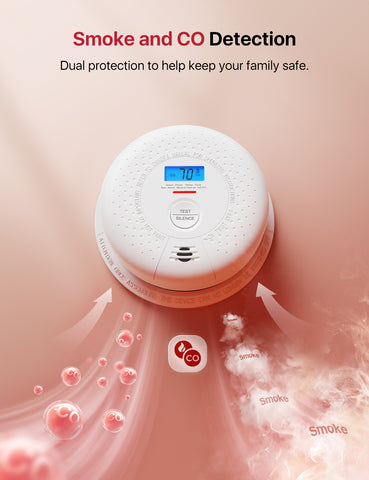
The Importance of Dual Sensor Smoke Alarms with Carbon Monoxide Detection
Smoke alarms are essential devices in any home or workplace to provide early warning in the event of a fire. However, traditional smoke alarms may not always detect smouldering fires or carbon monoxide, a silent and deadly gas. This is where dual sensor smoke alarms with carbon monoxide detection come into play.
These advanced alarms combine two types of sensors – ionization and photoelectric sensors – to provide comprehensive protection against different types of fires. The ionization sensor is highly sensitive to flaming fires, while the photoelectric sensor is more effective at detecting slow-burning, smouldering fires.
In addition to smoke detection, dual sensor alarms are equipped with carbon monoxide sensors that can detect the presence of this odourless and colourless gas. Carbon monoxide is produced by incomplete combustion of fuels such as gas, oil, wood, and coal. Exposure to high levels of carbon monoxide can be fatal, making it crucial to have a detector in place.
By investing in a dual sensor smoke alarm with carbon monoxide detection, you can significantly enhance the safety of your home or workplace. These alarms provide early warning in case of fire or carbon monoxide leak, giving you valuable time to evacuate safely and seek help.
Remember to install smoke alarms on every level of your home and inside each bedroom for optimal protection. Test your alarms regularly, replace batteries as needed, and replace the entire unit every 10 years to ensure reliable performance.
Protect yourself and your loved ones by choosing a reliable dual sensor smoke alarm with carbon monoxide detection. Safety should always come first.
Essential FAQs on Dual Sensor Smoke Alarms with Carbon Monoxide Detection
- What is a dual sensor smoke alarm with carbon monoxide?
- How does a dual sensor smoke alarm with carbon monoxide work?
- Why is it important to have a dual sensor smoke alarm with carbon monoxide?
- Where should I install a dual sensor smoke alarm with carbon monoxide?
- How often should I test and replace the batteries in a dual sensor smoke alarm with carbon monoxide?
What is a dual sensor smoke alarm with carbon monoxide?
A dual sensor smoke alarm with carbon monoxide is an advanced safety device designed to provide comprehensive protection against both smoke and carbon monoxide hazards. This type of alarm combines two different sensing technologies – ionization and photoelectric sensors – to detect various types of fires, including fast-flaming and slow-smouldering fires. Additionally, these alarms are equipped with carbon monoxide sensors that can detect the presence of this silent but deadly gas, alerting occupants to potential leaks before they become life-threatening. By integrating multiple detection capabilities into a single unit, dual sensor smoke alarms with carbon monoxide offer enhanced safety and peace of mind for homes and workplaces.
How does a dual sensor smoke alarm with carbon monoxide work?
A dual sensor smoke alarm with carbon monoxide works by combining advanced technology to detect different types of threats effectively. These alarms typically feature two main sensors: an ionization sensor and a photoelectric sensor. The ionization sensor is highly sensitive to fast-flaming fires, while the photoelectric sensor is designed to detect slow-burning, smouldering fires. In addition to smoke detection, these alarms are equipped with a carbon monoxide sensor that can detect the presence of this dangerous gas. When smoke particles or carbon monoxide are detected, the alarm triggers a loud alert to warn occupants of potential danger, providing crucial time for evacuation and safety measures to be taken. The dual functionality of these alarms ensures comprehensive protection against both fires and carbon monoxide leaks, making them essential safety devices for any home or workplace.
Why is it important to have a dual sensor smoke alarm with carbon monoxide?
Having a dual sensor smoke alarm with carbon monoxide detection is crucial for comprehensive safety in your home or workplace. These advanced alarms combine ionization and photoelectric sensors to detect different types of fires, ensuring early warning in case of both flaming and smouldering fires. Additionally, the inclusion of a carbon monoxide sensor adds another layer of protection by alerting you to the presence of this deadly gas, which is odourless and invisible. By investing in a dual sensor alarm, you can significantly reduce the risks associated with fires and carbon monoxide exposure, providing you and your loved ones with valuable time to evacuate safely in case of an emergency.
Where should I install a dual sensor smoke alarm with carbon monoxide?
When it comes to installing a dual sensor smoke alarm with carbon monoxide detection, strategic placement is key to maximising its effectiveness. It is recommended to install these advanced alarms on every level of your home, including the basement and attic if applicable. Additionally, place a dual sensor alarm inside each bedroom and outside sleeping areas to ensure comprehensive coverage. Mount the alarms on the ceiling or high on the wall, as smoke and gases rise towards the ceiling during a fire or carbon monoxide leak. By strategically placing dual sensor smoke alarms with carbon monoxide detection throughout your home, you can provide early warning and protection for you and your family in case of emergencies.
How often should I test and replace the batteries in a dual sensor smoke alarm with carbon monoxide?
Regular testing and maintenance of your dual sensor smoke alarm with carbon monoxide detection is crucial to ensure its effectiveness in providing early warning in case of fire or carbon monoxide presence. It is recommended to test your alarm at least once a month by pressing the test button to verify that it is functioning correctly. In addition, replace the batteries in your dual sensor alarm at least once a year or as soon as you hear the low battery alert. Remember, a well-maintained alarm can save lives, so make testing and battery replacement a routine part of your home safety checklist.