
The Importance of Addressing a Damaged Safety Harness
When it comes to workplace safety, ensuring that all equipment is in good condition is paramount. One crucial piece of safety equipment that must be regularly inspected and maintained is the safety harness.
A safety harness is designed to protect workers at height by preventing falls and reducing the risk of serious injuries. However, if a safety harness becomes damaged or worn out, its effectiveness can be compromised, putting workers at risk.
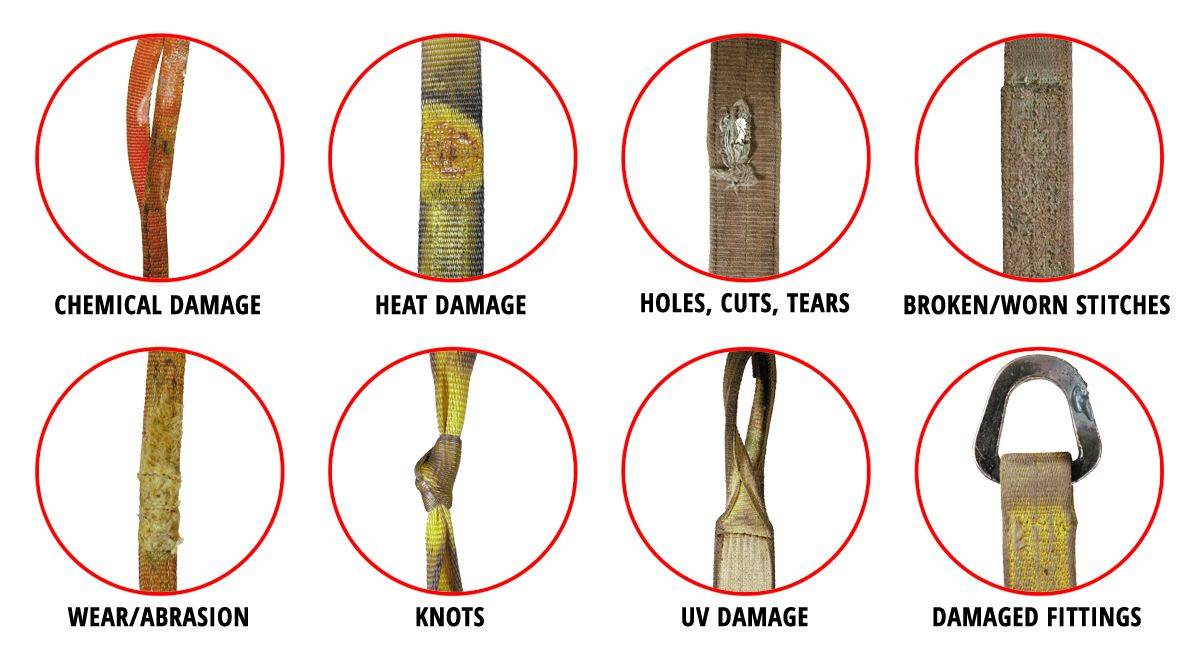
Common causes of damage to safety harnesses include wear and tear from regular use, exposure to harsh environments, improper storage, or accidental damage. It is essential for employers and employees to be vigilant in inspecting safety harnesses before each use to identify any signs of damage.
If a damaged safety harness is identified, it should be immediately taken out of service and replaced with a new one. Using a damaged safety harness can have serious consequences, including falls, injuries, or even fatalities.
Regular training on how to properly inspect and maintain safety harnesses is crucial for all workers who use them. By being proactive in addressing damaged safety harnesses, employers can create a safer working environment and prevent accidents.
Remember, when it comes to workplace safety, there is no room for compromise. Always prioritize the maintenance and replacement of damaged safety equipment to protect the well-being of all workers.
Ensuring Workplace Safety: The Benefits of Identifying and Replacing Damaged Safety Harnesses
- Identifying damaged safety harnesses ensures worker safety.
- Replacing damaged safety harnesses reduces the risk of accidents.
- Regular inspection of safety harnesses promotes a culture of safety in the workplace.
- Addressing damaged safety harnesses demonstrates commitment to employee well-being.
- Proper maintenance of safety equipment enhances overall workplace safety standards.
- Preventing the use of damaged safety harnesses minimises liability for employers.
- Ensuring intact safety harnesses boosts worker confidence and productivity.
Six Critical Consequences of Using Damaged Safety Harnesses
- Increased risk of falls and injuries
- Compromised worker safety
- Potential for accidents and fatalities
- Legal liabilities for employers
- Negative impact on productivity and workflow
- Loss of trust in safety protocols
Identifying damaged safety harnesses ensures worker safety.
Identifying damaged safety harnesses ensures worker safety by preventing potential accidents and injuries. Regular inspection and prompt replacement of damaged safety harnesses help maintain a safe working environment for employees who rely on this essential piece of equipment to protect them from falls and other hazards. By prioritising the detection of any issues with safety harnesses, employers demonstrate their commitment to upholding high safety standards and safeguarding the well-being of their workers.
Replacing damaged safety harnesses reduces the risk of accidents.
By promptly replacing damaged safety harnesses, the risk of accidents in the workplace can be significantly reduced. A well-maintained safety harness plays a crucial role in preventing falls and ensuring the safety of workers at height. By addressing any signs of damage and replacing harnesses that are no longer fit for use, employers can create a safer environment for their employees, minimising the likelihood of accidents and injuries occurring. Prioritising the replacement of damaged safety harnesses demonstrates a commitment to workplace safety and helps to protect the well-being of all individuals in hazardous work environments.
Regular inspection of safety harnesses promotes a culture of safety in the workplace.
Regular inspection of safety harnesses promotes a culture of safety in the workplace by demonstrating a proactive approach to ensuring the well-being of employees. By prioritising the regular examination of safety harnesses for any signs of damage or wear, employers send a clear message that safety is a top priority within the organisation. This practice not only helps prevent accidents and injuries but also fosters a sense of accountability among employees towards their own safety and that of their colleagues. Ultimately, by instilling a culture where safety equipment is routinely checked and maintained, workplaces can create a safer and more conscientious environment for all staff members.
Addressing damaged safety harnesses demonstrates commitment to employee well-being.
Addressing damaged safety harnesses demonstrates a strong commitment to employee well-being within the workplace. By promptly identifying and replacing any damaged safety harnesses, employers show that they prioritize the safety and health of their employees above all else. This proactive approach not only helps prevent accidents and injuries but also fosters a culture of care and responsibility towards workers. Employees are more likely to feel valued and supported when they see that their employer takes the necessary steps to ensure their safety by maintaining high standards for safety equipment.
Proper maintenance of safety equipment enhances overall workplace safety standards.
Proper maintenance of safety equipment, including regular inspection and replacement of damaged safety harnesses, plays a vital role in enhancing overall workplace safety standards. By ensuring that safety harnesses are in good condition, employers demonstrate their commitment to prioritising the well-being of their employees. This proactive approach not only reduces the risk of accidents and injuries but also fosters a culture of safety awareness and responsibility among workers. Investing time and resources in maintaining safety equipment ultimately contributes to creating a safer and more secure working environment for everyone involved.
Preventing the use of damaged safety harnesses minimises liability for employers.
Preventing the use of damaged safety harnesses not only safeguards the well-being of employees but also minimises liability for employers. By ensuring that only properly maintained safety harnesses are in use, employers demonstrate a commitment to workplace safety and reduce the risk of accidents or injuries. In the event of an incident, being able to show that all necessary precautions were taken, including regular inspections and replacement of damaged equipment, can help protect employers from potential legal liabilities. Prioritising the prevention of using damaged safety harnesses is a proactive measure that benefits both employees and employers alike.
Ensuring intact safety harnesses boosts worker confidence and productivity.
Ensuring that safety harnesses are intact and in good condition plays a vital role in boosting worker confidence and productivity. When workers know that they are equipped with reliable safety gear, they feel more secure and empowered to focus on their tasks without unnecessary worry or distraction. A well-maintained safety harness not only provides physical protection but also fosters a sense of trust and assurance among workers, leading to increased morale, efficiency, and overall productivity in the workplace. By prioritising the upkeep of safety equipment, employers can create a positive work environment where employees feel supported and motivated to perform at their best.
Increased risk of falls and injuries
One significant con of using a damaged safety harness is the increased risk of falls and injuries. A compromised safety harness may fail to provide adequate protection in the event of a fall, leading to potentially severe consequences for the wearer. Any damage to the harness, such as frayed straps or weakened buckles, can undermine its ability to safely arrest a fall or distribute forces evenly, putting the user at a higher risk of injury. Addressing damaged safety harnesses promptly is essential to mitigate this risk and ensure the well-being of workers who rely on this crucial piece of safety equipment.
Compromised worker safety
One significant con of a damaged safety harness is compromised worker safety. When a safety harness is damaged, its ability to protect workers in hazardous environments is significantly reduced. A compromised safety harness may fail to properly secure a worker in the event of a fall, leading to serious injuries or even fatalities. Employers must be vigilant in ensuring that safety harnesses are regularly inspected and replaced if any damage is detected to maintain a safe working environment and protect the well-being of their employees.
Potential for accidents and fatalities
One significant con of a damaged safety harness is the heightened potential for accidents and fatalities. When a safety harness is compromised due to wear and tear, improper storage, or accidental damage, it may fail to provide the necessary protection in case of a fall. This increases the risk of severe injuries or even fatalities for workers who rely on the safety harness for fall protection. Neglecting to address damaged safety harnesses can have devastating consequences, emphasising the critical importance of regular inspection and timely replacement to ensure the safety of individuals working at height.
Legal liabilities for employers
One significant con of using damaged safety harnesses in the workplace is the legal liabilities it poses for employers. Employers have a duty of care to provide a safe working environment for their employees, including ensuring that safety equipment, such as harnesses, is in proper working condition. If an employer fails to address or replace a damaged safety harness and an accident occurs as a result, they may be held legally responsible for any injuries or fatalities that occur. This can lead to costly legal battles, compensation claims, fines, and damage to the company’s reputation. By neglecting to address damaged safety harnesses, employers not only risk the well-being of their workers but also expose themselves to serious legal consequences.
Negative impact on productivity and workflow
When a safety harness is damaged, it can have a significant negative impact on productivity and workflow in a workplace. Employees may be hesitant to use a faulty harness, leading to delays in work tasks that require working at heights. This hesitation can disrupt the workflow and cause inefficiencies as workers may need to stop work to address the issue or seek out a replacement harness. Additionally, if a damaged safety harness results in an injury or accident, it can lead to further disruptions, investigations, and potential legal issues that can further hamper productivity. Ensuring that safety equipment like harnesses are in good condition is crucial for maintaining a smooth and efficient workflow in any workplace.
Loss of trust in safety protocols
The con of a damaged safety harness extends beyond physical risks to include the loss of trust in safety protocols. When workers encounter a damaged safety harness or other faulty safety equipment, it can erode their confidence in the effectiveness of the safety measures put in place by their employers. This loss of trust can lead to decreased morale, heightened anxiety among workers, and a reluctance to fully engage with safety procedures. Ultimately, the integrity of the entire safety culture within an organisation may be compromised when damaged safety harnesses are not promptly addressed and replaced.