
Commercial CO2 Detector: Ensuring Workplace Safety
In commercial settings, ensuring the safety and well-being of employees and customers is paramount. One crucial aspect of maintaining a safe environment is monitoring the levels of carbon dioxide (CO2) present in the air. High levels of CO2 can indicate poor ventilation, which can lead to discomfort, drowsiness, and even health risks.
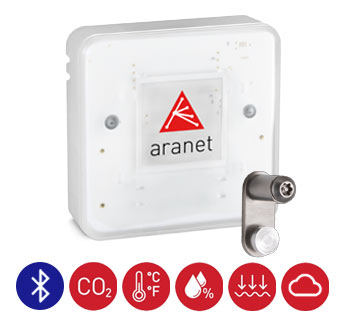
A commercial CO2 detector is a vital tool for businesses to monitor indoor air quality and prevent potential hazards. These detectors are designed to measure the concentration of CO2 in the air and provide real-time readings to alert occupants if levels exceed safe limits.
By installing a commercial CO2 detector in workplaces such as offices, restaurants, schools, and manufacturing facilities, employers can proactively manage indoor air quality and create a healthier environment for everyone. Proper ventilation systems can be adjusted based on the data provided by the detector, ensuring that fresh air is circulated effectively throughout the building.
Additionally, commercial CO2 detectors can help businesses comply with health and safety regulations related to indoor air quality. By demonstrating a commitment to monitoring and maintaining safe CO2 levels, organisations can enhance their reputation as responsible employers who prioritise the well-being of their staff and visitors.
Investing in a commercial CO2 detector is not just about meeting regulatory requirements; it’s about safeguarding the health and productivity of everyone in the workplace. By taking proactive measures to monitor indoor air quality, businesses can create a safer and more comfortable environment that promotes employee well-being and overall satisfaction.
Stay ahead of potential risks by incorporating a commercial CO2 detector into your workplace safety measures. Protect your employees, customers, and business reputation by ensuring that indoor air quality remains at optimal levels at all times.
Frequently Asked Questions About CO2 Detectors in Commercial Settings
- Do commercial buildings have carbon monoxide detectors?
- Is there a difference between a CO2 detector and a carbon monoxide detector?
- Is it a legal requirement to have a CO2 detector?
- What is the difference between CO detector and CO2 detector?
- How much does a CO2 monitor cost?
- Do you need a carbon monoxide detector in a commercial kitchen?
- What CO2 detectors are recommended?
- What is a carbon monoxide detector for commercial use?
Do commercial buildings have carbon monoxide detectors?
In commercial buildings, it is important to distinguish between carbon monoxide (CO) detectors and carbon dioxide (CO2) detectors. While carbon monoxide detectors are commonly required in many commercial settings to alert occupants of the presence of this toxic gas, carbon dioxide detectors are typically used to monitor indoor air quality and ventilation levels. While regulations may vary depending on the location and type of commercial building, it is advisable for businesses to install both types of detectors to ensure comprehensive safety measures are in place. By having both carbon monoxide and carbon dioxide detectors installed, commercial buildings can effectively safeguard occupants against potential health hazards related to poor air quality.
Is there a difference between a CO2 detector and a carbon monoxide detector?
When it comes to commercial safety monitoring, it’s important to understand the distinction between a CO2 detector and a carbon monoxide detector. While both devices are designed to detect gases in the air, they serve different purposes. A CO2 detector specifically measures the concentration of carbon dioxide in the environment, helping to monitor indoor air quality and ventilation levels. On the other hand, a carbon monoxide detector is focused on detecting potentially lethal levels of carbon monoxide gas, which is odourless and colourless. Both detectors are essential for workplace safety, with each playing a unique role in safeguarding occupants from different gas-related risks.
Is it a legal requirement to have a CO2 detector?
In the UK, it is not currently a legal requirement for all commercial premises to have a CO2 detector installed. However, employers have a legal responsibility under health and safety regulations to ensure the well-being of their employees and visitors. While specific legislation may not mandate the use of CO2 detectors, they are highly recommended as a proactive measure to monitor indoor air quality and maintain a safe working environment. By investing in a CO2 detector, businesses demonstrate their commitment to health and safety standards, which can help prevent potential hazards and ensure compliance with relevant regulations.
What is the difference between CO detector and CO2 detector?
When it comes to commercial safety, understanding the distinction between a CO detector and a CO2 detector is crucial. While both devices play a role in monitoring indoor air quality, they target different gases. A CO detector is designed to detect carbon monoxide (CO), a colourless, odourless gas that can be lethal in high concentrations. On the other hand, a CO2 detector focuses on carbon dioxide (CO2), which, although not typically harmful in small quantities, can indicate poor ventilation and potentially lead to discomfort or health issues in elevated levels. By recognising the specific gases each detector targets, businesses can implement appropriate safety measures to protect occupants from potential risks associated with these gases.
How much does a CO2 monitor cost?
When considering the cost of a CO2 monitor for commercial use, several factors come into play. The price of a CO2 monitor can vary depending on the brand, model, features, and specifications required for your specific workplace environment. Basic models may start at a lower price point, while more advanced monitors with additional sensors and connectivity options may be priced higher. It is essential to invest in a quality CO2 monitor that meets industry standards and regulations to ensure accurate monitoring of indoor air quality. While prices may range from affordable to higher-end options, the long-term benefits of maintaining a safe and healthy workplace environment make the cost of a CO2 monitor a valuable investment in ensuring the well-being of employees and visitors.
Do you need a carbon monoxide detector in a commercial kitchen?
In a commercial kitchen, it is essential to have a carbon monoxide (CO) detector in addition to a carbon dioxide (CO2) detector. While a CO2 detector monitors the levels of carbon dioxide in the air, a CO detector is specifically designed to detect potentially harmful levels of carbon monoxide gas. Commercial kitchens can be at risk of CO emissions due to the use of gas-powered cooking equipment, which can produce this colourless and odourless gas during operation. Installing a CO detector in a commercial kitchen is crucial for early detection of any CO leaks, helping to protect the health and safety of kitchen staff and prevent potential carbon monoxide poisoning incidents.
What CO2 detectors are recommended?
When it comes to selecting CO2 detectors for commercial use, it is recommended to choose devices that meet industry standards and regulations for accuracy and reliability. Look for CO2 detectors that are certified by reputable organisations and have a proven track record of performance in commercial settings. Consider features such as real-time monitoring, adjustable alarm thresholds, and compatibility with existing ventilation systems. It is advisable to consult with industry experts or safety professionals to determine the most suitable CO2 detector for your specific workplace needs. Prioritising quality and functionality in your choice of CO2 detectors can help ensure effective monitoring of indoor air quality and contribute to a safer environment for employees and visitors.
What is a carbon monoxide detector for commercial use?
A carbon monoxide detector for commercial use is a specialised device designed to monitor and detect the presence of carbon monoxide gas in indoor environments such as offices, factories, restaurants, and other commercial spaces. Unlike carbon dioxide, which is a natural byproduct of human respiration and generally not harmful at typical levels, carbon monoxide is a toxic gas that can pose serious health risks when present in high concentrations. Commercial CO detectors are equipped with sensors that can detect even trace amounts of carbon monoxide in the air and trigger alarms to alert occupants of potential danger. By continuously monitoring CO levels, these detectors play a crucial role in preventing carbon monoxide poisoning incidents and ensuring the safety of employees, customers, and visitors in commercial settings.