
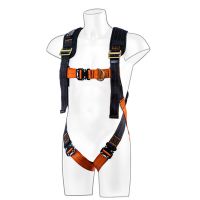
The Importance of a Comfortable Safety Harness
When it comes to working at heights or in hazardous environments, safety harnesses are essential equipment to prevent falls and injuries. However, wearing a safety harness for extended periods can be uncomfortable and even painful if not properly designed.
A comfortable safety harness is not only crucial for ensuring compliance with safety regulations but also for promoting worker productivity and well-being. Here are some key reasons why investing in a comfortable safety harness is essential:
- Enhanced Safety: A comfortable safety harness reduces the likelihood of workers adjusting or removing their harness due to discomfort, which can compromise their safety while working at heights.
- Improved Focus: When workers are comfortable in their safety harness, they can focus better on the task at hand without distractions from discomfort or pain.
- Increased Productivity: Comfortable harnesses enable workers to move freely and perform tasks more efficiently, leading to improved productivity on the job.
- Reduced Fatigue: Uncomfortable harnesses can cause fatigue and strain on the body, leading to decreased endurance and potential health issues over time. A well-designed harness can help alleviate these issues.
- Better Compliance: Workers are more likely to wear their safety harness consistently and correctly if it is comfortable, leading to better compliance with safety regulations and standards.
- Long-Term Health Benefits: By prioritising comfort in safety harness design, employers can contribute to the long-term health and well-being of their workers by reducing the risk of musculoskeletal problems associated with uncomfortable equipment.
In conclusion, a comfortable safety harness is not just a luxury but a necessity for ensuring the safety, well-being, and productivity of workers in various industries. Employers should invest in high-quality, ergonomic harnesses that prioritise comfort alongside functionality to create a safer and more conducive work environment for all.
9 Benefits of Comfortable Safety Harnesses: Enhancing Comfort, Compliance, and Productivity
- Enhances worker comfort and reduces fatigue during long hours of wear.
- Minimises distractions caused by discomfort, allowing workers to focus on tasks.
- Promotes better compliance with safety regulations due to increased comfort.
- Reduces the risk of musculoskeletal issues associated with uncomfortable harnesses.
- Improves worker morale and satisfaction by prioritising their well-being.
- Enhances worker mobility and flexibility, leading to increased productivity.
- Helps prevent workers from adjusting or removing their harnesses unsafely due to discomfort.
- Contributes to a safer work environment by ensuring proper harness usage at all times.
- Boosts overall job satisfaction and employee retention through comfortable working conditions.
Potential Drawbacks of Comfortable Safety Harnesses: Cost, Adjustments, and Mobility Concerns
- Costlier than standard safety harnesses
- May require additional adjustments for a perfect fit, leading to potential delays
- Some comfortable safety harnesses may be bulkier or heavier, affecting mobility
Enhances worker comfort and reduces fatigue during long hours of wear.
One significant benefit of a comfortable safety harness is its ability to enhance worker comfort and reduce fatigue during long hours of wear. When workers feel comfortable in their harness, they can focus on their tasks without being distracted by discomfort or pain. This not only improves their overall well-being but also helps them maintain energy and concentration levels throughout the day, ultimately leading to increased productivity and safety in the workplace. By prioritising comfort in safety equipment, employers can create a work environment that supports the health and performance of their workforce.
Minimises distractions caused by discomfort, allowing workers to focus on tasks.
A key advantage of a comfortable safety harness is its ability to minimise distractions caused by discomfort, enabling workers to fully concentrate on their tasks. When workers are free from the physical discomfort and pain often associated with ill-fitting or cumbersome harnesses, they can direct their attention and energy towards completing their work efficiently and safely. By eliminating distractions related to harness discomfort, a comfortable safety harness promotes better focus, productivity, and overall job performance among workers in various industries.
Promotes better compliance with safety regulations due to increased comfort.
Promoting better compliance with safety regulations, a comfortable safety harness plays a crucial role in ensuring that workers consistently wear and correctly use their safety equipment. By prioritising comfort in harness design, employees are more likely to adhere to safety protocols without feeling the need to adjust or remove the harness due to discomfort. This increased comfort not only enhances worker satisfaction but also fosters a culture of safety consciousness and adherence to regulations in the workplace.
Reduces the risk of musculoskeletal issues associated with uncomfortable harnesses.
Investing in a comfortable safety harness can significantly reduce the risk of developing musculoskeletal issues that are often associated with wearing uncomfortable harnesses. By prioritising ergonomic design and padding that minimises pressure points, a comfortable safety harness can help prevent strains, discomfort, and long-term health problems for workers who rely on this essential equipment in hazardous work environments. Prioritising worker comfort not only enhances safety compliance but also contributes to the overall well-being and health of individuals, ensuring a safer and more sustainable working environment.
Improves worker morale and satisfaction by prioritising their well-being.
By prioritising the well-being of workers through the use of comfortable safety harnesses, employers can significantly improve worker morale and satisfaction. When employees feel that their safety and comfort are valued, they are more likely to be motivated, engaged, and loyal to their job. A comfortable safety harness not only enhances physical well-being but also contributes to a positive work environment where employees feel supported and cared for, ultimately leading to higher job satisfaction and overall morale among workers.
Enhances worker mobility and flexibility, leading to increased productivity.
An essential benefit of a comfortable safety harness is its ability to enhance worker mobility and flexibility, ultimately resulting in increased productivity. When workers feel at ease and unrestricted in their safety gear, they can move more freely and perform tasks with greater agility and efficiency. This improved range of motion not only boosts productivity by allowing for quicker task completion but also enables workers to adapt to different work conditions more effectively. By prioritising comfort in safety harness design, employers can empower their workforce to work more productively while ensuring their safety and well-being.
Helps prevent workers from adjusting or removing their harnesses unsafely due to discomfort.
One significant advantage of a comfortable safety harness is its ability to prevent workers from making unsafe adjustments or removing their harnesses due to discomfort. When workers feel comfortable in their safety gear, they are more likely to keep it properly secured and in place throughout their tasks, reducing the risk of accidents and injuries associated with improper harness use. By prioritising comfort in safety harness design, employers can promote a safer work environment where workers are more inclined to adhere to safety protocols without compromising their own well-being.
Contributes to a safer work environment by ensuring proper harness usage at all times.
A comfortable safety harness plays a crucial role in contributing to a safer work environment by ensuring proper harness usage at all times. When workers are comfortable in their harnesses, they are more likely to wear them correctly and consistently. This reduces the risk of non-compliance with safety regulations and standards, ultimately enhancing overall safety on the job. By prioritising comfort in safety harness design, employers can promote a culture of safety where workers feel supported and encouraged to use their protective equipment effectively, leading to a more secure work environment for everyone involved.
Boosts overall job satisfaction and employee retention through comfortable working conditions.
By providing workers with comfortable safety harnesses, employers can significantly boost overall job satisfaction and enhance employee retention rates. Comfortable working conditions play a crucial role in creating a positive work environment where employees feel valued and supported. When workers are comfortable in their safety gear, they are more likely to feel motivated, engaged, and satisfied with their jobs. This, in turn, leads to higher levels of employee retention as individuals are more inclined to stay with an employer who prioritises their well-being and provides them with the necessary tools to work comfortably and safely.
Costlier than standard safety harnesses
While the importance of comfort in safety harnesses cannot be overstated, one notable drawback is that comfortable safety harnesses tend to be costlier than standard alternatives. The additional features and ergonomic design that enhance comfort often come with a higher price tag, making them a more significant investment for businesses and organisations. This increased cost may pose a challenge for budget-conscious employers looking to provide top-of-the-line safety equipment while balancing financial considerations. Despite the higher cost, the long-term benefits of improved worker satisfaction, productivity, and safety may outweigh the initial expense of acquiring comfortable safety harnesses.
May require additional adjustments for a perfect fit, leading to potential delays
One drawback of a comfortable safety harness is that achieving the perfect fit may require additional adjustments, which can lead to potential delays in getting workers ready for their tasks. While the goal of ensuring comfort is essential, the process of fine-tuning the harness to each individual’s body shape and size can be time-consuming. These adjustments are crucial for optimal safety and comfort, but they may result in temporary interruptions to work schedules or project timelines. It is important for employers and workers to allocate sufficient time for fitting and adjusting safety harnesses to strike a balance between comfort and efficiency in the workplace.
Some comfortable safety harnesses may be bulkier or heavier, affecting mobility
Some comfortable safety harnesses may come with the drawback of being bulkier or heavier, which can impact the wearer’s mobility and flexibility while working at heights or in confined spaces. The added weight and bulkiness of certain harness designs could restrict movement and make tasks more challenging for workers, potentially reducing their efficiency and agility on the job. Employers and workers should carefully consider the trade-offs between comfort and mobility when selecting safety harnesses to ensure that they strike the right balance between safety and practicality in various work environments.