
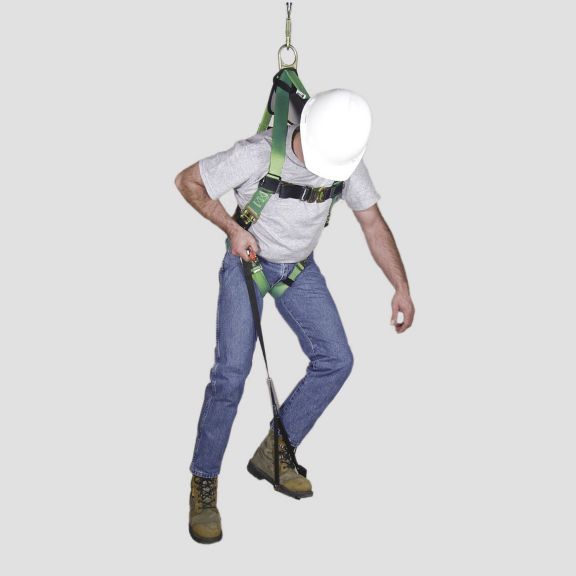
The Importance of Miller Safety Harness in Workplace Safety
Miller safety harnesses are essential equipment designed to protect workers at height in various industries. Whether working on construction sites, maintenance tasks, or utility work, ensuring the safety of employees is paramount.
A Miller safety harness is a crucial component of fall protection systems. It consists of straps, buckles, and attachment points that secure a worker to a fixed anchor point. In the event of a fall, the harness distributes the impact forces across the body to prevent serious injuries.
One of the key benefits of using a Miller safety harness is that it minimises the risk of falls from height. Falls are one of the leading causes of workplace injuries and fatalities, making fall protection equipment like safety harnesses indispensable.
Additionally, Miller safety harnesses are designed for comfort and ease of use. They are adjustable to fit different body sizes and shapes, allowing workers to move freely while remaining securely attached. Comfortable harnesses encourage compliance with safety regulations and promote worker productivity.
Employers have a legal obligation to provide a safe working environment for their employees, including adequate fall protection measures. By investing in high-quality Miller safety harnesses and providing proper training on their use, employers demonstrate their commitment to workplace safety.
In conclusion, the importance of Miller safety harnesses in ensuring workplace safety cannot be overstated. These essential pieces of equipment play a crucial role in preventing falls and protecting workers at height. Employers should prioritise the provision and proper use of safety harnesses to create a safe and secure working environment for all employees.
Essential FAQs on Miller Safety Harnesses: Understanding Usage, Importance, and Maintenance
- What is a Miller safety harness?
- How does a Miller safety harness work?
- Why is a Miller safety harness important in the workplace?
- What industries require the use of Miller safety harnesses?
- How should a Miller safety harness be properly fitted and adjusted?
- Are there different types of Miller safety harnesses available?
- What are the key features to look for when selecting a Miller safety harness?
- What training is required for using a Miller safety harness effectively?
- How often should a Miller safety harness be inspected and replaced?
What is a Miller safety harness?
A Miller safety harness is a vital piece of equipment designed to protect individuals working at height in various industries. It is a fall protection system consisting of straps, buckles, and attachment points that secure a worker to a fixed anchor point. In the event of a fall, the harness distributes impact forces across the body to prevent injuries. Miller safety harnesses are crucial for minimising the risk of falls from height and ensuring the safety of workers engaged in tasks such as construction, maintenance, and utility work. Comfortable and adjustable, these harnesses not only enhance safety but also promote compliance with workplace regulations and support worker productivity.
How does a Miller safety harness work?
A Miller safety harness functions as a vital component of fall protection systems by securing a worker to a fixed anchor point. The harness typically consists of adjustable straps, buckles, and attachment points that distribute impact forces across the body in the event of a fall. When properly worn and connected to a suitable anchor point, the Miller safety harness acts as a lifeline for workers at height, reducing the risk of serious injuries or fatalities by preventing free falls. By evenly distributing the impact forces and providing support to the body, the harness helps to minimise injury risks and ensure the safety of individuals working in elevated environments.
Why is a Miller safety harness important in the workplace?
A Miller safety harness is crucial in the workplace for several reasons. Firstly, it serves as a vital component of fall protection systems, helping to prevent injuries and fatalities resulting from falls at height. By securely attaching a worker to a fixed anchor point, the harness distributes impact forces across the body in the event of a fall, reducing the risk of serious harm. Additionally, Miller safety harnesses promote compliance with safety regulations and demonstrate an employer’s commitment to providing a safe working environment for their employees. Ensuring the proper use of safety harnesses not only protects workers but also enhances overall workplace safety and productivity.
What industries require the use of Miller safety harnesses?
In various industries where employees work at height, the use of Miller safety harnesses is essential to ensure worker safety. Industries such as construction, maintenance, telecommunications, utilities, oil and gas, and transportation often require employees to perform tasks at elevated levels. In these high-risk environments, the risk of falls is significant, making fall protection equipment like Miller safety harnesses a mandatory requirement. Employers in these industries must adhere to strict safety regulations and standards to protect their workers from potential hazards, highlighting the crucial role of Miller safety harnesses in maintaining a safe working environment.
How should a Miller safety harness be properly fitted and adjusted?
Proper fitting and adjustment of a Miller safety harness are crucial to ensure its effectiveness in protecting workers at height. To correctly fit a Miller safety harness, start by adjusting the straps to achieve a snug but comfortable fit around the shoulders, chest, and legs. Ensure that all buckles are securely fastened and that there is no excess slack in the straps. The harness should be positioned high on the back to prevent it from riding up in the event of a fall. Regularly inspect the harness for wear and tear, and make adjustments as needed to maintain its proper fit. Proper training on fitting and adjusting Miller safety harnesses is essential to ensure that workers are equipped with the knowledge and skills to use them safely in various work environments.
Are there different types of Miller safety harnesses available?
Yes, there are different types of Miller safety harnesses available to suit various working environments and requirements. Miller offers a range of harnesses designed for specific applications, such as construction, maintenance, rescue operations, and more. These harnesses may vary in terms of features, materials, weight capacities, and attachment points to accommodate different needs. By offering a variety of options, Miller ensures that workers can select the most appropriate safety harness for their specific tasks, enhancing both comfort and protection while working at height.
What are the key features to look for when selecting a Miller safety harness?
When selecting a Miller safety harness, it is essential to consider several key features to ensure optimal safety and comfort for workers at height. Firstly, look for harnesses that are adjustable and have multiple attachment points to accommodate different body sizes and shapes. A proper fit is crucial for effective fall protection. Secondly, check for durable materials and construction that can withstand rigorous use in various work environments. Additionally, consider harnesses with padding and breathable materials to enhance comfort during prolonged wear. Lastly, ensure that the harness meets relevant safety standards and regulations to guarantee its reliability in preventing falls and protecting workers. By prioritising these key features, employers can choose the most suitable Miller safety harness for their workplace needs.
What training is required for using a Miller safety harness effectively?
Training is a critical aspect of using a Miller safety harness effectively. Proper training ensures that individuals understand how to correctly inspect, fit, and wear the harness, as well as how to connect it to anchor points securely. Training should cover topics such as fall protection regulations, hazard awareness, emergency procedures, and rescue techniques. By receiving comprehensive training on the use of Miller safety harnesses, individuals can work confidently at height while minimising the risk of accidents and injuries. Regular refresher courses are also recommended to reinforce best practices and ensure ongoing safety compliance in the workplace.
How often should a Miller safety harness be inspected and replaced?
Regular inspection and maintenance of Miller safety harnesses are crucial for ensuring their effectiveness and the safety of workers at height. It is recommended that Miller safety harnesses undergo thorough inspections before each use to check for any signs of wear, damage, or defects. Additionally, a more detailed inspection should be conducted at least once a year by a competent person to assess the overall condition of the harness. If any issues are identified during these inspections, the harness should be replaced immediately to prevent potential risks and hazards. Adhering to a strict inspection schedule and promptly replacing any compromised harnesses is essential in maintaining a safe working environment and protecting workers from fall-related injuries.