
The Importance of Hearing Protection Devices
Hearing protection devices play a crucial role in safeguarding our hearing health in various noisy environments. Whether you work in construction, manufacturing, music industry, or any other field with high noise levels, protecting your ears is essential.
Prolonged exposure to loud noises can lead to irreversible hearing damage and even permanent hearing loss. This makes it vital to take proactive measures to prevent such risks. Hearing protection devices offer a simple yet effective solution.
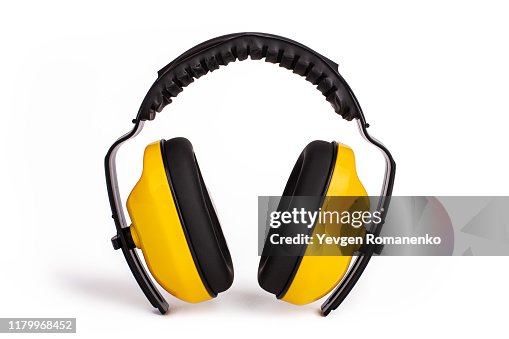
There are different types of hearing protection devices available, including earplugs and earmuffs. Earplugs are small inserts that fit into the ear canal to block out or reduce noise levels. Earmuffs, on the other hand, cover the entire outer ear to provide a physical barrier against loud sounds.
When choosing a hearing protection device, it’s important to consider factors such as noise reduction rating (NRR), comfort, and suitability for the specific environment. Proper fit and usage are also critical to ensure maximum effectiveness.
Employers have a responsibility to provide their workers with appropriate hearing protection devices if they are exposed to hazardous noise levels in the workplace. By implementing proper hearing conservation programs and promoting the use of protective gear, employers can create safer and healthier work environments for their employees.
Individuals who engage in recreational activities with high noise levels, such as shooting sports or live music events, should also consider using hearing protection devices to prevent potential damage to their ears.
In conclusion, hearing protection devices are essential tools for preserving our hearing health and preventing noise-induced hearing loss. By prioritising the use of these devices in noisy settings, we can protect our ears and enjoy better long-term auditory well-being.
Top 5 Benefits of Using Hearing Protection Devices
- 1. Protects against noise-induced hearing loss
- 2. Easy to use and portable for convenience
- 3. Available in various types to suit individual preferences
- 4. Helps improve concentration and focus in noisy environments
- 5. Can be essential for compliance with workplace safety regulations
Challenges and Considerations in Choosing and Using Hearing Protection Devices
- Some hearing protection devices may be uncomfortable to wear for extended periods.
- Improperly fitted earplugs or earmuffs may not provide adequate noise reduction.
- Certain types of hearing protection devices can cause a feeling of isolation or disconnection from the environment.
- Using hearing protection devices may make it challenging to communicate effectively with others, especially in noisy settings.
- Regular maintenance and cleaning are required to ensure the effectiveness of some hearing protection devices.
- Hearing protection devices can be easily misplaced or lost, leading to inconsistent usage.
- Finding the right type of hearing protection device that suits individual preferences and needs can be a trial-and-error process.
1. Protects against noise-induced hearing loss
One significant benefit of using hearing protection devices is their ability to safeguard against noise-induced hearing loss. Exposure to high levels of noise, whether in the workplace or during recreational activities, can lead to irreversible damage to our hearing. By wearing appropriate hearing protection devices such as earplugs or earmuffs, individuals can effectively reduce the intensity of loud sounds and minimise the risk of developing hearing impairments. Prioritising the use of these protective tools not only preserves our current hearing abilities but also promotes long-term auditory health and well-being.
2. Easy to use and portable for convenience
One key advantage of hearing protection devices is their ease of use and portability, which adds to the convenience of protecting one’s hearing in various settings. Whether it’s a pair of compact earplugs that can be easily carried in a pocket or lightweight earmuffs that can be worn comfortably for extended periods, these devices are designed to be user-friendly and hassle-free. Their portable nature allows individuals to have quick and convenient access to hearing protection whenever they are exposed to loud noises, making it simple to prioritise their hearing health in any environment.
3. Available in various types to suit individual preferences
Hearing protection devices offer the benefit of being available in various types to suit individual preferences. Whether someone prefers earplugs for their discreetness and portability or earmuffs for their ease of use and comfort, there is a suitable option for everyone. This variety allows individuals to choose the type of hearing protection device that best fits their needs and lifestyle, ensuring that they can protect their ears effectively while also staying comfortable and satisfied with their choice.
4. Helps improve concentration and focus in noisy environments
One significant advantage of using hearing protection devices is their ability to enhance concentration and focus in noisy environments. By reducing the impact of loud noises, these devices create a more conducive setting for individuals to maintain their attention on tasks at hand. Whether in a bustling workplace or a loud outdoor setting, the use of hearing protection devices can help individuals stay focused, improve productivity, and minimise distractions caused by excessive noise levels. This improved concentration not only benefits individual performance but also contributes to overall safety and well-being in noisy surroundings.
5. Can be essential for compliance with workplace safety regulations
Ensuring compliance with workplace safety regulations is a critical aspect of maintaining a safe and healthy work environment. Hearing protection devices play a significant role in meeting these regulatory requirements, particularly in industries where employees are exposed to high noise levels. By providing and promoting the use of hearing protection devices, employers demonstrate their commitment to safeguarding their workers’ hearing health and meeting legal obligations. This proactive approach not only helps prevent noise-induced hearing loss but also contributes to overall workplace safety and regulatory compliance.
Some hearing protection devices may be uncomfortable to wear for extended periods.
Some individuals may find certain hearing protection devices uncomfortable to wear for prolonged periods, which can be a significant drawback. Discomfort can arise from factors such as improper fit, material sensitivity, or pressure exerted on the ears or head. This discomfort may discourage individuals from consistently using the hearing protection devices, thereby compromising their effectiveness in safeguarding against noise-induced hearing damage. It is essential to address comfort issues and explore alternative options to ensure that individuals are willing to wear hearing protection devices consistently in noisy environments for optimal ear safety.
Improperly fitted earplugs or earmuffs may not provide adequate noise reduction.
Improperly fitted earplugs or earmuffs pose a significant con when it comes to hearing protection devices as they may fail to deliver the necessary level of noise reduction. If earplugs do not fit snugly in the ear canal or if earmuffs do not create a proper seal around the ears, sound can still penetrate and potentially cause harm to the ears. This inadequate protection can lead to an increased risk of noise-induced hearing damage, highlighting the importance of ensuring a correct fit and usage of hearing protection devices for effective safeguarding against loud noises.
Certain types of hearing protection devices can cause a feeling of isolation or disconnection from the environment.
Certain types of hearing protection devices can inadvertently contribute to a sense of isolation or disconnection from one’s surroundings. For individuals who rely on auditory cues for situational awareness or communication, such as in work environments or social settings, the use of certain hearing protection devices may create a barrier that hampers their ability to fully engage with the environment. This feeling of isolation can lead to potential safety concerns or difficulties in effective communication, highlighting the importance of carefully selecting hearing protection devices that balance noise reduction with the need to remain connected to the surrounding environment.
Using hearing protection devices may make it challenging to communicate effectively with others, especially in noisy settings.
One drawback of using hearing protection devices is that they can pose challenges in effective communication, particularly in noisy environments. The use of earplugs or earmuffs may dampen or block out external sounds, making it harder to hear and understand conversations or important cues from others. This can lead to misunderstandings, miscommunications, and feelings of isolation, especially in social or work settings where clear communication is crucial. Striking a balance between protecting one’s hearing and maintaining effective communication with others remains a key consideration when using hearing protection devices.
Regular maintenance and cleaning are required to ensure the effectiveness of some hearing protection devices.
Regular maintenance and cleaning are necessary tasks that can be considered a downside of using certain hearing protection devices. While these devices are designed to provide effective noise reduction, they require consistent upkeep to maintain their performance levels. Failure to clean or maintain hearing protection devices regularly can lead to a buildup of dirt, earwax, or debris, which may compromise their ability to block out harmful noise effectively. This additional responsibility of upkeep adds an extra step in the usage of these devices, requiring users to invest time and effort in ensuring their functionality and longevity.
Hearing protection devices can be easily misplaced or lost, leading to inconsistent usage.
One significant drawback of hearing protection devices is their susceptibility to being misplaced or lost, which can result in inconsistent usage. Due to their small size and portability, earplugs and earmuffs are prone to being misplaced, especially in busy or dynamic work environments. This issue can lead to employees or individuals not having access to their hearing protection when needed, compromising their safety and increasing the risk of noise-induced hearing damage. Inconsistent usage due to misplaced or lost devices highlights the importance of implementing effective strategies for ensuring proper storage, accessibility, and replacement of hearing protection gear to maintain a consistent level of protection in noisy environments.
Finding the right type of hearing protection device that suits individual preferences and needs can be a trial-and-error process.
When it comes to hearing protection devices, one notable challenge is the trial-and-error process of finding the right type that aligns with individual preferences and needs. Due to the diverse range of options available, including earplugs, earmuffs, and custom-moulded devices, determining the most suitable choice can be a daunting task. Factors such as comfort, noise reduction effectiveness, and compatibility with specific activities or environments can vary significantly among different devices. This process of experimentation and adjustment may require time and patience to identify the ideal hearing protection solution that offers both adequate noise attenuation and user comfort.