
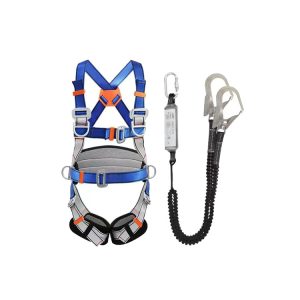
The Importance of Lanyard Full Body Harness in Workplace Safety
When it comes to ensuring safety in the workplace, using the right equipment is crucial. One essential piece of safety gear that plays a significant role in protecting workers at heights is the lanyard full body harness.
A lanyard full body harness is designed to provide fall protection for workers who perform tasks at elevated levels. It consists of straps that go over the shoulders, around the torso, and around the legs to distribute impact forces evenly in case of a fall.
One of the key advantages of using a lanyard full body harness is that it helps prevent serious injuries or fatalities resulting from falls. By wearing this safety equipment, workers have a secure connection to an anchor point, reducing the risk of falling from heights.
Moreover, lanyard full body harnesses are adjustable and comfortable to wear for extended periods. They allow workers to move freely while ensuring their safety at all times. This flexibility makes them suitable for various industries such as construction, maintenance, and telecommunications where working at heights is common.
It’s important for employers to provide proper training on how to use lanyard full body harnesses correctly. Workers should be educated on how to inspect and maintain their harnesses regularly to ensure they are in good condition and safe to use.
In conclusion, incorporating lanyard full body harnesses into workplace safety protocols is essential for protecting employees working at heights. By investing in high-quality safety equipment and providing adequate training, employers can create a safer work environment and prevent accidents related to falls.
Essential Safety Tips for Using a Lanyard and Full Body Harness
- Inspect the lanyard and full body harness before each use for any signs of wear or damage.
- Ensure the lanyard is properly attached to a secure anchor point that can support your weight.
- Adjust the harness straps to ensure a snug and comfortable fit to prevent slipping or discomfort.
- Always follow proper training on how to use the lanyard and full body harness correctly.
- Avoid sharp edges or abrasive surfaces that could potentially damage the lanyard or harness.
- Regularly clean and maintain your lanyard and full body harness according to manufacturer’s instructions.
Inspect the lanyard and full body harness before each use for any signs of wear or damage.
Before each use, it is crucial to inspect the lanyard and full body harness for any signs of wear or damage. This simple yet important tip ensures that the safety equipment is in optimal condition to provide effective fall protection. By carefully examining the lanyard and harness before use, workers can identify any potential issues and address them promptly, helping to prevent accidents and injuries while working at heights. Regular inspections are a proactive measure that contributes to maintaining a safe working environment and protecting individuals from risks associated with falls.
Ensure the lanyard is properly attached to a secure anchor point that can support your weight.
It is crucial to ensure that the lanyard of your full body harness is securely attached to a reliable anchor point that can adequately support your weight. A strong and stable anchor point is essential for preventing falls and ensuring your safety while working at heights. By double-checking the attachment of the lanyard to a secure anchor point before starting any task, you can significantly reduce the risk of accidents and injuries in the workplace. Always prioritise safety by confirming that your lanyard is correctly connected to a stable structure before engaging in any elevated work activities.
Adjust the harness straps to ensure a snug and comfortable fit to prevent slipping or discomfort.
To maximise safety and comfort when using a lanyard full body harness, it is crucial to adjust the harness straps properly. By ensuring a snug and comfortable fit, you can prevent the harness from slipping or causing discomfort during use. Properly adjusted straps distribute the weight evenly across the body, enhancing stability and reducing the risk of accidents. Taking the time to adjust the harness straps correctly not only improves safety but also ensures that workers can carry out their tasks effectively without distractions or hindrances.
Always follow proper training on how to use the lanyard and full body harness correctly.
It is crucial to always adhere to the proper training guidelines on how to correctly use the lanyard and full body harness. By following the recommended training procedures, workers can ensure that they are wearing the safety equipment in the most effective and secure manner. Proper training not only enhances safety but also helps prevent accidents and injuries while working at heights. Investing time in understanding and practising correct usage of the lanyard full body harness is a proactive step towards maintaining a safe working environment for all individuals involved.
Avoid sharp edges or abrasive surfaces that could potentially damage the lanyard or harness.
To ensure the effectiveness and longevity of your lanyard full body harness, it is crucial to avoid exposure to sharp edges or abrasive surfaces that could cause damage. These hazards have the potential to weaken the material of the lanyard or harness, compromising its ability to provide adequate fall protection. By being mindful of the environment in which you work and avoiding contact with such surfaces, you can maintain the integrity of your safety equipment and uphold a higher standard of workplace safety.
Regularly clean and maintain your lanyard and full body harness according to manufacturer’s instructions.
It is crucial to regularly clean and maintain your lanyard and full body harness according to the manufacturer’s instructions. Proper maintenance ensures that the equipment remains in optimal condition and functions effectively when needed. By following the recommended cleaning and maintenance guidelines, you can prolong the lifespan of your lanyard full body harness and ensure that it provides reliable fall protection when working at heights.