
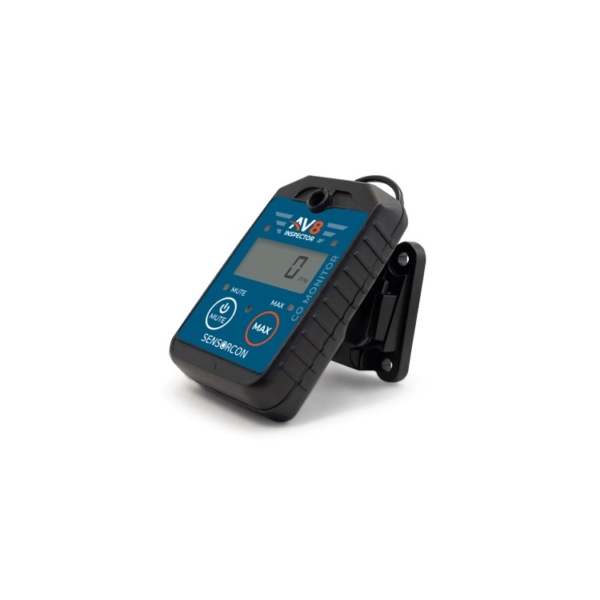
Portable CO Monitors: A Practical Guide to Carbon Monoxide Safety
Carbon monoxide (CO) is a poisonous gas that cannot be seen, tasted or smelled. It can be produced when fuels such as gas, oil, coal, wood or petrol do not burn properly. Because it is difficult to detect without suitable equipment, a portable CO monitor can provide an extra layer of awareness when you are away from home or working in places where fuel-burning appliances or engines are used.
What is a portable CO monitor?
A portable carbon monoxide monitor is a battery-powered device designed to detect CO in the air. Depending on its type, it may display a reading, sound an alarm when a level or exposure threshold is reached, or do both. Some models are intended for personal use, while others are designed for workplace monitoring or inspection.
Portable monitors are useful in settings such as workshops, garages, boats, caravans, holiday accommodation and locations where portable heaters, generators or other fuel-burning equipment may be operating. They can also be carried by people whose work may bring them into contact with potential CO sources.
Choosing the right monitor
Before buying a device, check what it is designed to do. A personal CO monitor is not necessarily the same as a domestic carbon monoxide alarm. Consider the following:
- Purpose: Choose a model intended for your setting, whether that is travel, domestic use or occupational monitoring.
- Alarm and display: Check whether it gives an audible or visual warning, shows CO readings, or offers both.
- Standards and suitability: For a domestic alarm in Great Britain, look for a model that meets the relevant requirements of BS EN 50291. Follow the manufacturer’s instructions about where and how to install it. Workplace and specialist equipment may be subject to different requirements.
- Power and battery life: Check how the monitor is powered, how long it operates and how it indicates a low battery.
- Maintenance: Find out whether the device needs periodic testing, servicing, calibration or replacement.
Do not assume that every portable monitor is suitable as a home alarm, or that a home alarm is suitable for professional monitoring. Check the product documentation and choose equipment appropriate to the risk.
Using a portable CO monitor safely
Read the instructions before using the device. Place or wear it as directed, keep it within its stated operating conditions, and make sure its sensor is not blocked. Test the monitor as recommended by the manufacturer. Some professional instruments may require scheduled calibration or a functional “bump test”; the correct procedure depends on the model.
A monitor is only one part of CO safety. Maintain fuel-burning appliances through a qualified professional, keep ventilation clear, and never use a barbecue, camping stove or outdoor generator indoors or in an enclosed space. Follow the instructions supplied with heating and cooking equipment, including when using it in a caravan or boat.
What to do if the alarm sounds
If a CO monitor alarms, or you suspect carbon monoxide may be present:
- Move everyone outside into fresh air immediately.
- Call 999 if anyone is seriously unwell, confused, breathless, unconscious or in immediate danger.
- Do not go back inside until the property or area has been checked and declared safe.
- If a gas appliance may be involved, contact the Gas Emergency Service on 0800 111 999 in Great Britain. For other fuel sources, contact the relevant emergency service or a qualified professional.
Headache, dizziness, nausea, weakness and confusion can be signs of CO exposure, but symptoms vary and may resemble other illnesses. Leave the area and seek medical advice if exposure is suspected, even if the monitor does not alarm.
A useful extra layer of protection
A portable CO monitor can help make hazards easier to identify when used correctly, but it cannot prevent CO from being produced or guarantee that an area is safe. Choose a device suited to the situation, maintain it as instructed and combine it with good ventilation, properly maintained appliances and an appropriate domestic CO alarm.
Essential FAQs on Portable CO Monitors: Understanding Functionality, Selection, Placement, Maintenance, and Alarm Response
- What is a portable carbon monoxide (CO) monitor, and how does it work?
- How do I choose the right portable CO monitor for my needs?
- Where should I place or wear a portable CO monitor?
- How often should I test, calibrate or replace a portable CO monitor?
- What should I do if my portable CO monitor sounds an alarm?
What is a portable carbon monoxide (CO) monitor, and how does it work?
A portable carbon monoxide (CO) monitor is a battery-powered device that detects carbon monoxide in the air and alerts you if levels reach a set threshold. It uses a sensor to measure CO, then displays a reading, sounds an alarm or does both, depending on the model. Portable monitors can provide an extra layer of awareness when travelling or working near fuel-burning appliances and engines, but they should be used and maintained according to the manufacturer’s instructions and are not a substitute for a suitable, properly installed domestic CO alarm.
How do I choose the right portable CO monitor for my needs?
Choose a portable CO monitor that suits where and how you plan to use it. Check whether it is designed for personal, domestic or workplace monitoring, and look for clear audible and visual alerts, an easy-to-read display, reliable battery life and simple testing. Make sure it meets the relevant standards for its intended use, and check whether it needs regular calibration or replacement. A portable monitor is not always a substitute for a domestic carbon monoxide alarm, so follow the manufacturer’s guidance and choose separate devices if needed.
Where should I place or wear a portable CO monitor?
Place or wear a portable CO monitor according to the manufacturer’s instructions, as the best position depends on its design and intended use. A personal monitor is usually clipped where it can sample the air around you without being covered by clothing, while a portable domestic alarm should be positioned as directed for the room and appliance concerned. Keep the sensor unobstructed and away from places where it could be damaged or exposed to moisture, dust or extreme temperatures. A portable monitor should not replace a correctly installed domestic carbon monoxide alarm.
How often should I test, calibrate or replace a portable CO monitor?
How often you should test, calibrate or replace a portable CO monitor depends on its model and intended use, so always follow the manufacturer’s instructions. Test it as directed—often using a built-in test function—and, for professional models, arrange calibration or bump testing at the recommended intervals. Replace batteries when indicated and the monitor when it reaches its stated service life, fails a test or is damaged; never rely on a device that is overdue for maintenance.
What should I do if my portable CO monitor sounds an alarm?
If your portable CO monitor sounds an alarm, move everyone outside into fresh air immediately and call 999 if anyone is seriously unwell or in immediate danger. Do not re-enter the area until it has been checked and declared safe. Contact a qualified professional to identify and resolve the source; if you suspect a gas appliance is involved in Great Britain, call the Gas Emergency Service on 0800 111 999. Follow the monitor’s instructions, but never ignore an alarm—even if you feel well.