
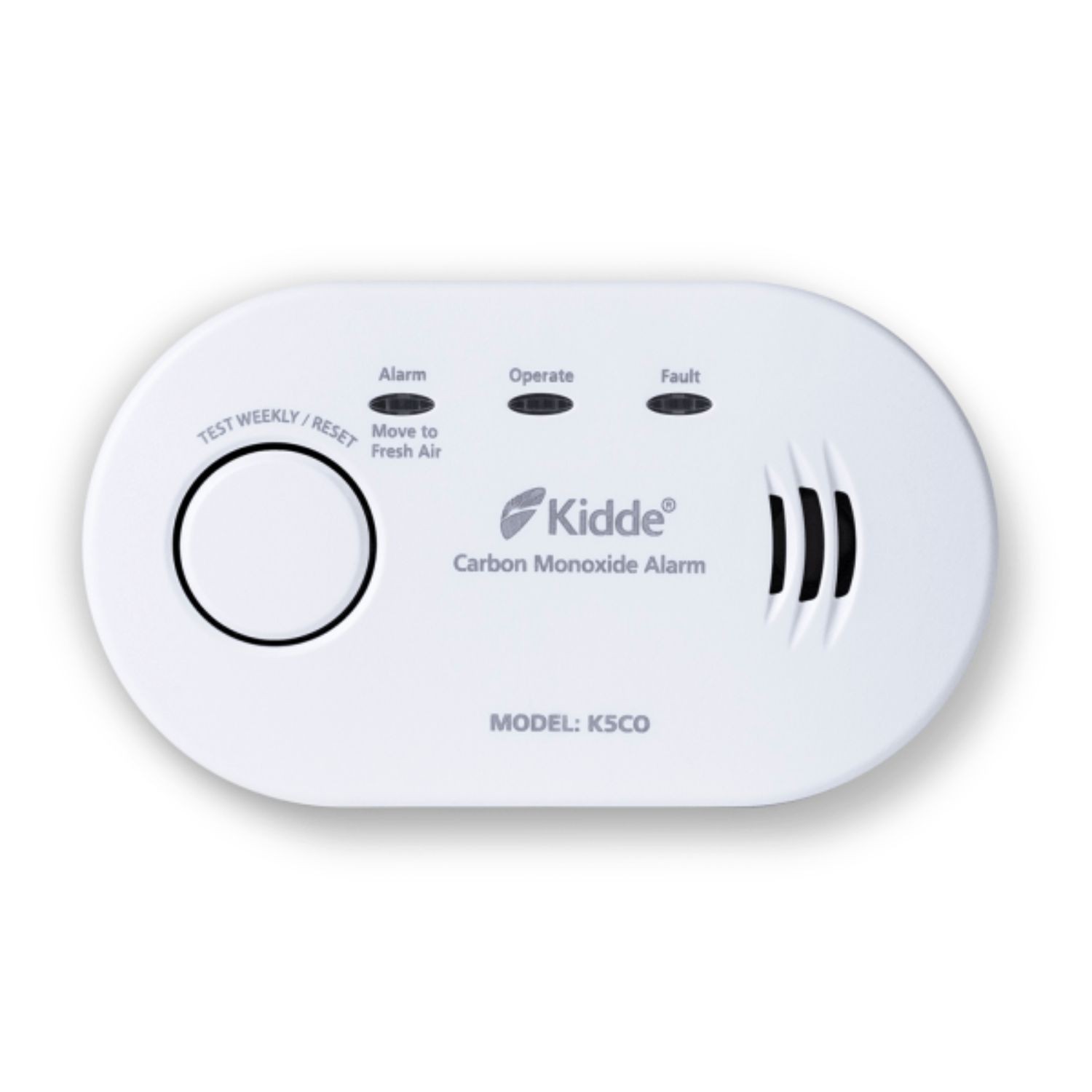
Kidde Smoke and Carbon Monoxide Alarm Hardwired: A Reliable Safety Solution
In today’s world, safety is paramount, especially when it comes to protecting our homes and loved ones. One essential tool that every household should have is a reliable smoke and carbon monoxide alarm. Kidde, a trusted name in home safety products, offers a range of hardwired alarms that provide round-the-clock protection against two of the most common household dangers.
The Kidde smoke and carbon monoxide alarm hardwired models are designed to detect both smoke particles and carbon monoxide gas, providing dual protection in a single device. These alarms are hardwired into the electrical system of the home, ensuring continuous power supply and reliable operation.
One of the key benefits of the Kidde hardwired alarms is their interconnectivity feature. When one alarm detects smoke or carbon monoxide, it triggers all interconnected alarms in the home to sound simultaneously. This early warning system can make a crucial difference in alerting occupants to potential dangers and allowing them to evacuate safely.
Installation of Kidde hardwired alarms is straightforward for those with basic electrical knowledge. Once installed, these alarms require minimal maintenance, with regular testing recommended to ensure proper functioning. The reliability and durability of Kidde products make them a popular choice among homeowners seeking peace of mind.
Investing in a Kidde smoke and carbon monoxide alarm hardwired model is an investment in your family’s safety. With its advanced features, interconnectivity, and proven track record, Kidde provides a dependable safety solution that you can trust.
Don’t compromise on safety – choose Kidde for reliable protection against smoke and carbon monoxide hazards in your home.
Essential FAQs on Kidde Hardwired Smoke and Carbon Monoxide Alarms
- 1. How does the Kidde smoke and carbon monoxide alarm hardwired work?
- 2. Are Kidde hardwired alarms easy to install?
- 3. What is the benefit of interconnectivity in Kidde hardwired alarms?
- 4. How often should I test my Kidde smoke and carbon monoxide alarm?
- 5. Can Kidde hardwired alarms be integrated with other smart home systems?
- 6. Are there different models available for Kidde smoke and carbon monoxide alarm hardwired?
- 7. What is the lifespan of a Kidde hardwired alarm and when should it be replaced?
1. How does the Kidde smoke and carbon monoxide alarm hardwired work?
The Kidde smoke and carbon monoxide alarm hardwired operates by continuously monitoring the air for the presence of smoke particles and carbon monoxide gas. When smoke or carbon monoxide is detected, the alarm’s sensors trigger an alert, activating a loud siren to warn occupants of potential danger. The hardwired design ensures a constant power supply, allowing the alarm to function reliably around the clock. Additionally, these alarms feature interconnectivity, meaning that when one alarm is triggered, all interconnected alarms in the home will sound simultaneously, providing early warning and increased safety for everyone in the household.
2. Are Kidde hardwired alarms easy to install?
Installing Kidde hardwired alarms is a straightforward process that can be easily accomplished by individuals with basic electrical knowledge. These alarms are designed for simple installation into the home’s electrical system, ensuring a continuous power supply for reliable operation. With clear instructions provided by Kidde, homeowners can confidently install the alarms themselves, saving time and hassle. Regular testing after installation is recommended to ensure that the alarms are functioning correctly and providing optimal safety for the household.
3. What is the benefit of interconnectivity in Kidde hardwired alarms?
Interconnectivity in Kidde hardwired alarms offers a crucial safety benefit by ensuring that when one alarm detects smoke or carbon monoxide, all interconnected alarms in the home will sound simultaneously. This feature provides an early warning system that can alert occupants in different areas of the house to potential dangers, allowing them to take prompt action and evacuate safely. The seamless communication between interconnected alarms enhances the overall effectiveness of the alarm system, providing comprehensive protection and peace of mind for homeowners and their families.
4. How often should I test my Kidde smoke and carbon monoxide alarm?
Regular testing of your Kidde smoke and carbon monoxide alarm is crucial to ensure its proper functioning and reliability in detecting potential hazards. It is recommended to test your alarm at least once a month to confirm that it is operational and capable of alerting you to smoke or carbon monoxide presence. Testing is a simple process that involves pressing the test button on the alarm to activate the alarm sound. By conducting monthly tests, you can have peace of mind knowing that your Kidde alarm is ready to protect you and your loved ones in case of an emergency.
5. Can Kidde hardwired alarms be integrated with other smart home systems?
One common question regarding Kidde smoke and carbon monoxide alarm hardwired models is whether they can be integrated with other smart home systems. The answer is yes! Kidde offers compatible devices and accessories that allow their hardwired alarms to be seamlessly integrated into existing smart home setups. By connecting Kidde alarms to smart home systems, users can enjoy added convenience and control, such as receiving alerts on their smartphones, remotely monitoring alarm status, and integrating alarms with other smart devices for enhanced safety and peace of mind.
6. Are there different models available for Kidde smoke and carbon monoxide alarm hardwired?
Yes, Kidde offers a variety of models for their smoke and carbon monoxide alarm hardwired range to cater to different needs and preferences. Each model may come with unique features such as different sensor technologies, interconnectivity options, battery backup, and additional functionalities. By offering a selection of models, Kidde ensures that homeowners can choose the alarm that best suits their requirements for enhanced safety and peace of mind. Whether you are looking for basic functionality or advanced features, there is likely a Kidde smoke and carbon monoxide alarm hardwired model that meets your specific safety needs.
7. What is the lifespan of a Kidde hardwired alarm and when should it be replaced?
When it comes to the lifespan of a Kidde hardwired alarm, it is essential to consider both the smoke and carbon monoxide detection components. Typically, the sensors in these alarms have a lifespan of around 10 years. However, it is recommended to refer to the specific product manual for accurate information on the expected lifespan of your Kidde alarm. As a general guideline, Kidde advises replacing their alarms after ten years of use to ensure optimal performance and reliability. Regular testing and maintenance are crucial in ensuring that your Kidde hardwired alarm functions effectively throughout its lifespan, providing continuous protection for your home and loved ones.