
The Importance of Fall Restraint Devices in Workplace Safety
Falls from heights are one of the leading causes of workplace accidents and fatalities. In industries such as construction, maintenance, and manufacturing, workers often perform tasks at elevated levels where the risk of falling is significant. To prevent such accidents and protect workers’ safety, fall restraint devices play a crucial role.
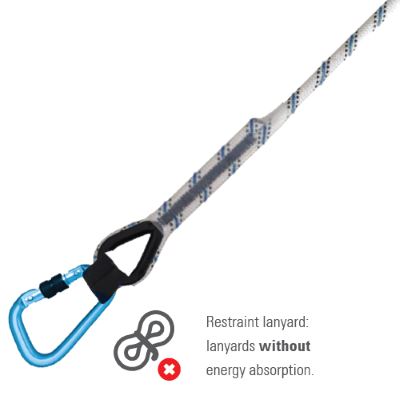
Fall restraint devices are designed to limit a worker’s movement to prevent them from reaching a fall hazard. Unlike fall arrest systems that are intended to stop a worker after a fall has occurred, fall restraint devices proactively prevent falls from happening in the first place.
These devices typically consist of harnesses, lanyards, anchor points, and other components that work together to keep workers safe while working at heights. By using fall restraint devices correctly and following proper safety procedures, employers can significantly reduce the risk of falls and injuries in the workplace.
Employers have a legal responsibility to provide a safe working environment for their employees, including implementing measures to prevent falls from heights. Failure to do so can result in serious consequences, including fines and legal liabilities.
Training on the proper use of fall restraint devices is essential for all workers who may be exposed to fall hazards in their job roles. Workers should be familiar with how to inspect, put on, adjust, and use these devices correctly to ensure their effectiveness in preventing falls.
Ultimately, investing in high-quality fall restraint devices and providing comprehensive training on their use is not only a legal requirement but also a moral obligation to protect the well-being of workers. By prioritising workplace safety and implementing proper fall protection measures, employers can create a safer environment for everyone.
Top 5 Benefits of Fall Restraint Devices for Workplace Safety
- Prevent falls from happening in the first place
- Limit workers’ movement to reduce the risk of reaching fall hazards
- Proactively protect workers’ safety at heights
- Comply with legal requirements for workplace safety
- Enhance worker confidence and peace of mind while working at elevated levels
Five Drawbacks of Fall Restraint Devices in Height Safety Management
- May restrict worker’s movement and flexibility while working at heights.
- Require proper training for correct usage, which can be time-consuming and costly.
- Inappropriate use or improper fitting of devices can lead to discomfort or chafing for the worker.
- Regular inspection and maintenance of fall restraint devices are necessary to ensure their effectiveness, adding to maintenance costs.
- Some workers may feel a false sense of security when using fall restraint devices, leading to complacency in following safety protocols.
Prevent falls from happening in the first place
One significant advantage of fall restraint devices is their ability to proactively prevent falls from happening in the first place. By restricting a worker’s movement and limiting access to fall hazards, these devices serve as a crucial preventive measure against accidents at heights. This proactive approach not only reduces the risk of injuries and fatalities but also promotes a safer working environment where workers can confidently carry out their tasks without the constant threat of falling. Preventing falls before they occur is key to ensuring workplace safety and protecting the well-being of employees.
Limit workers’ movement to reduce the risk of reaching fall hazards
Fall restraint devices offer a significant advantage by restricting workers’ movement, thereby effectively reducing the likelihood of them reaching fall hazards. By limiting the range in which workers can operate, these devices act as proactive safeguards against potential falls from elevated surfaces. This proactive approach not only enhances worker safety but also minimises the risk of accidents occurring in the workplace. With fall restraint devices in place, employers can better protect their workers and create a safer environment where the risk of falls is significantly reduced.
Proactively protect workers’ safety at heights
Fall restraint devices offer a crucial advantage by proactively safeguarding workers’ safety at heights. By limiting workers’ movement and preventing them from reaching fall hazards, these devices serve as a proactive measure to reduce the risk of accidents before they occur. This proactive approach not only helps prevent injuries and fatalities but also instils a sense of confidence and security among workers performing tasks at elevated levels. Prioritising the use of fall restraint devices demonstrates a commitment to creating a safe working environment and protecting the well-being of employees in high-risk industries.
Comply with legal requirements for workplace safety
By utilising fall restraint devices in the workplace, employers can ensure compliance with legal regulations and requirements regarding workplace safety. Implementing these devices demonstrates a commitment to providing a safe working environment for employees, as mandated by health and safety legislation. By proactively preventing falls from heights through the use of fall restraint systems, employers not only protect their workers from harm but also mitigate the risk of legal repercussions and financial penalties associated with non-compliance. Prioritising the use of fall restraint devices not only safeguards employees but also upholds the legal duty of care that employers have towards their workforce.
Enhance worker confidence and peace of mind while working at elevated levels
Fall restraint devices provide a significant pro by enhancing worker confidence and peace of mind when working at elevated levels. Knowing that they are securely restrained and protected from potential falls, workers can focus on their tasks without the distraction of worrying about their safety. This increased sense of security not only boosts morale but also improves productivity as workers feel more empowered and assured in their work environment. By instilling confidence in workers, fall restraint devices contribute to a positive safety culture and promote overall well-being in the workplace.
May restrict worker’s movement and flexibility while working at heights.
One potential drawback of fall restraint devices is that they may restrict a worker’s movement and flexibility when working at heights. The nature of these devices, which are designed to prevent falls by limiting how far a worker can reach, can sometimes hinder the natural range of motion required to perform certain tasks efficiently. This restriction may cause discomfort or inconvenience for workers who need to move freely while working at elevated levels, potentially impacting their productivity and job performance. Employers should carefully assess the specific requirements of each task and provide training on how to use fall restraint devices effectively to minimise these limitations and ensure worker safety without compromising functionality.
Require proper training for correct usage, which can be time-consuming and costly.
One significant drawback of fall restraint devices is that they necessitate thorough training for proper usage, which can be both time-consuming and expensive. Ensuring that workers are adequately trained on how to inspect, wear, adjust, and utilise these devices correctly requires dedicated resources in terms of time and finances. This training process may involve hiring external trainers, conducting regular refresher courses, and allocating valuable work hours for instruction. The investment in training is crucial to guarantee the effectiveness of fall restraint devices but can pose challenges for organisations seeking to balance safety requirements with operational costs.
Inappropriate use or improper fitting of devices can lead to discomfort or chafing for the worker.
Inappropriate use or improper fitting of fall restraint devices can result in discomfort or chafing for the worker. When these devices are not adjusted correctly to the worker’s body size and shape, they may rub against the skin, causing irritation and discomfort during prolonged use. This can not only affect the worker’s comfort but also distract them from focusing on their tasks at hand, potentially compromising their safety while working at heights. Proper training on how to properly fit and wear fall restraint devices is essential to ensure both effectiveness in preventing falls and comfort for the workers throughout their workday.
Regular inspection and maintenance of fall restraint devices are necessary to ensure their effectiveness, adding to maintenance costs.
Regular inspection and maintenance of fall restraint devices are essential to uphold their efficacy in ensuring worker safety. However, this necessity contributes to increased maintenance costs for businesses and organisations. The ongoing need for thorough inspections, repairs, and replacements of components can incur additional expenses over time. Despite the financial implications, prioritising the proper upkeep of fall restraint devices remains critical to prevent malfunctions or failures that could compromise worker safety at heights. Balancing the cost of maintenance with the value of safeguarding workers’ lives underscores the importance of proactive investment in safety measures within the workplace.
Some workers may feel a false sense of security when using fall restraint devices, leading to complacency in following safety protocols.
Some workers may develop a false sense of security when relying on fall restraint devices, which can inadvertently lead to complacency in adhering to essential safety protocols. This overconfidence in the equipment’s ability to prevent falls may cause workers to neglect other critical safety measures and take unnecessary risks while working at heights. It is crucial for employers to emphasise the importance of maintaining vigilance and following all safety procedures, even when using fall restraint devices, to ensure a comprehensive approach to workplace safety and prevent potential accidents or injuries.