
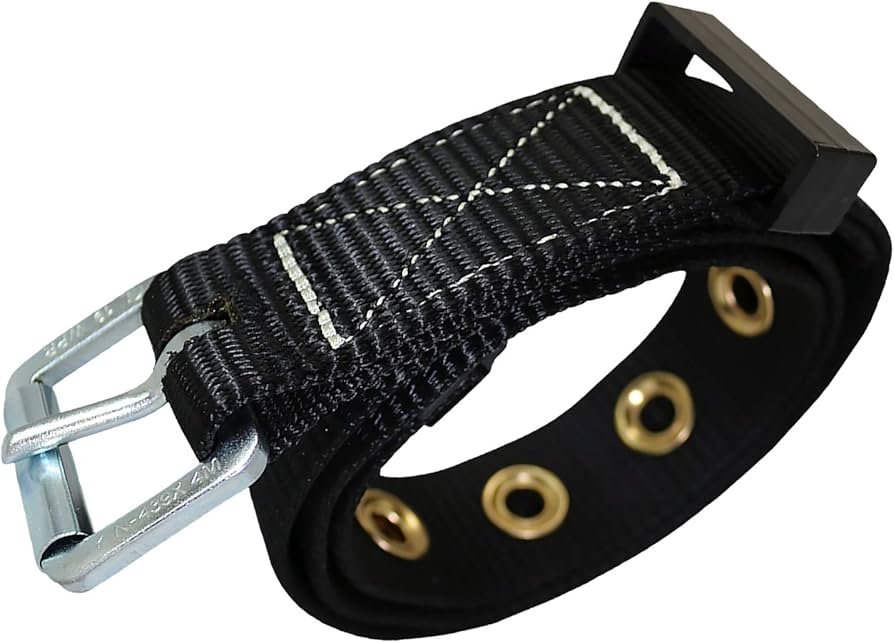
Fall Protection Tool Belt: Ensuring Safety at Heights
Working at heights can be a risky endeavour, but with the right safety equipment, the risks can be significantly reduced. One essential piece of equipment for workers at elevated locations is the fall protection tool belt.
A fall protection tool belt is designed to securely hold essential tools and equipment while providing added safety features to prevent falls. These belts are typically equipped with D-rings or attachment points for lanyards, allowing workers to secure themselves to a structure and prevent them from falling in case of a slip or trip.
These tool belts are made from durable materials that can withstand the rigours of construction sites, industrial settings, or any other environment where working at heights is necessary. They are adjustable to fit comfortably around the waist and come with various pockets and compartments to keep tools organized and easily accessible.
By using a fall protection tool belt, workers can have peace of mind knowing that their tools are securely fastened to their person, reducing the risk of dropped objects that could cause harm to themselves or others below. Additionally, the added safety features of these belts help prevent accidents and injuries by keeping workers safely tethered to a structure.
Employers should ensure that their workers are equipped with proper fall protection gear, including tool belts, when working at heights. Investing in quality safety equipment not only protects workers but also demonstrates a commitment to prioritising safety in the workplace.
In conclusion, a fall protection tool belt is an indispensable piece of safety equipment for anyone working at elevated locations. By providing both convenience and security, these belts play a crucial role in ensuring the well-being of workers and preventing accidents. Remember, when it comes to working at heights, safety should always come first.
Top 5 Benefits of Using a Fall Protection Tool Belt for Workplace Safety
- Enhances safety by providing a secure attachment point for workers at heights
- Prevents dropped tools and equipment, reducing the risk of injuries to workers and those below
- Keeps essential tools organised and easily accessible, improving efficiency on the job
- Adjustable design ensures a comfortable fit for various body sizes and shapes
- Demonstrates a commitment to workplace safety, fostering a culture of responsibility and care
Challenges of Fall Protection Tool Belts: Weight, Mobility, and Safety Concerns
- May add extra weight and bulk around the waist, leading to discomfort during extended use.
- Some designs may limit mobility or hinder access to certain tools depending on the positioning of attachment points.
- Workers may forget to properly attach themselves to a structure using the belt’s safety features, potentially increasing the risk of falls.
Enhances safety by providing a secure attachment point for workers at heights
The fall protection tool belt offers a significant advantage by enhancing safety through the provision of a secure attachment point for workers operating at elevated heights. By incorporating D-rings or attachment points for lanyards, these tool belts enable workers to tether themselves to a structure, reducing the risk of falls and providing a crucial lifeline in case of slips or trips. This feature not only instills confidence in workers but also ensures that they can focus on their tasks without worrying about their safety, ultimately promoting a safer working environment at heights.
Prevents dropped tools and equipment, reducing the risk of injuries to workers and those below
The fall protection tool belt serves as a crucial safeguard by preventing dropped tools and equipment, thereby significantly reducing the risk of injuries to workers and individuals below. By securely holding tools in place while working at heights, these belts not only protect the wearer from potential hazards but also ensure the safety of those working or passing underneath. This proactive measure not only enhances workplace safety but also promotes a culture of responsibility and care towards all individuals involved in the work environment.
Keeps essential tools organised and easily accessible, improving efficiency on the job
The fall protection tool belt offers the valuable benefit of keeping essential tools organised and easily accessible, thereby enhancing efficiency on the job. By having tools securely stored within reach, workers can quickly access what they need without wasting time searching or making multiple trips back and forth. This organisational feature not only streamlines workflow but also minimises distractions and interruptions, allowing workers to focus on their tasks at hand and complete them more effectively. Ultimately, the tool belt’s ability to improve accessibility and organisation contributes to increased productivity and smoother operations in various work environments.
Adjustable design ensures a comfortable fit for various body sizes and shapes
The adjustable design of a fall protection tool belt offers a significant advantage by ensuring a comfortable fit for individuals of various body sizes and shapes. This feature allows workers to customise the belt to their specific measurements, enhancing comfort and reducing the risk of discomfort or distraction while working at heights. By accommodating different body types, the adjustable design promotes better ergonomics and ensures that the tool belt remains securely in place, contributing to overall safety and efficiency in the workplace.
Demonstrates a commitment to workplace safety, fostering a culture of responsibility and care
Investing in and utilising fall protection tool belts in the workplace not only enhances safety measures but also signifies a dedication to fostering a culture of responsibility and care among employees. By providing workers with the necessary safety equipment, employers demonstrate their commitment to prioritising workplace safety. This proactive approach helps instil a sense of responsibility towards one’s own well-being and that of others, creating a work environment where safety is valued and upheld as a top priority. Ultimately, the use of fall protection tool belts goes beyond physical protection; it symbolises a collective effort towards maintaining a safe and caring workplace culture.
May add extra weight and bulk around the waist, leading to discomfort during extended use.
One drawback of using a fall protection tool belt is that it may add extra weight and bulk around the waist, potentially causing discomfort during extended use. The additional load from the tools and equipment stored in the belt can strain the wearer’s lower back and hips, leading to fatigue and reduced mobility. Workers who need to wear these belts for long periods may experience discomfort or even develop musculoskeletal issues due to the added pressure on their waist. It is essential for employers to consider ergonomic factors and provide proper training on how to adjust and wear these tool belts correctly to minimise the risk of discomfort and ensure the safety and well-being of their workers.
Some designs may limit mobility or hinder access to certain tools depending on the positioning of attachment points.
Certain designs of fall protection tool belts may present a drawback in terms of mobility and access to tools based on the placement of attachment points. In some cases, the positioning of these attachment points can restrict movement or make it challenging to reach certain tools efficiently. This limitation may hinder the user’s ability to work comfortably and effectively, potentially impacting productivity and convenience on the job. It is essential for users to carefully consider the design and features of a fall protection tool belt to ensure that it strikes a balance between safety and practicality, allowing for optimal performance while working at heights.
Workers may forget to properly attach themselves to a structure using the belt’s safety features, potentially increasing the risk of falls.
One significant drawback of fall protection tool belts is the possibility that workers may forget to correctly attach themselves to a structure using the belt’s safety features. This oversight can lead to an increased risk of falls, as the intended purpose of the belt to prevent such incidents may not be fully utilised. In high-pressure or fast-paced work environments, workers may neglect this crucial step, jeopardising their safety while working at heights. Employers must provide thorough training and regular reminders to ensure that workers understand and adhere to proper safety protocols when using fall protection tool belts, mitigating the potential for accidents due to human error.