
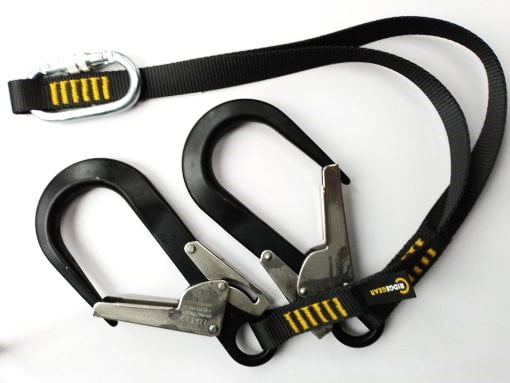
The Importance of Fall Restraint Lanyards in Workplace Safety
Fall restraint lanyards are essential pieces of equipment designed to prevent workers from falling from heights in various industries, such as construction, maintenance, and utilities. These lanyards play a crucial role in ensuring the safety of workers who perform tasks at elevated locations.
Unlike fall arrest systems that allow for a free fall before arresting the fall, fall restraint lanyards are designed to restrict a worker’s movement and prevent them from reaching a point where they could fall. This proactive approach helps to eliminate the risk of falls altogether, rather than just mitigating the consequences.
When properly used, fall restraint lanyards can significantly reduce the likelihood of accidents and injuries caused by falls from height. They provide workers with added security and confidence while working on scaffolding, roofs, or other elevated structures.
It is important for employers to ensure that their workers are trained in the correct use of fall restraint lanyards and that the equipment is regularly inspected and maintained. Employers must also provide appropriate anchor points for securing the lanyards to ensure their effectiveness.
By prioritising the use of fall restraint lanyards and implementing comprehensive safety protocols, employers can create a safer working environment and protect their employees from potentially life-threatening falls. Investing in proper safety equipment demonstrates a commitment to workplace safety and employee well-being.
In conclusion, fall restraint lanyards are indispensable tools for preventing falls from height in various industries. Employers must recognise their importance and take proactive measures to ensure their proper use and maintenance. By prioritising workplace safety and providing adequate protection for workers at elevated locations, employers can create a safer and more secure work environment for all.
Top 9 Benefits of Fall Restraint Lanyards for Enhanced Workplace Safety
- Prevents falls from height
- Increases worker safety
- Reduces risk of injuries
- Provides added security and confidence
- Proactive approach to fall prevention
- Easy to use and adjust
- Compatible with various work environments
- Helps comply with safety regulations
- Promotes a culture of workplace safety
Challenges of Fall Restraint Lanyards: Limited Mobility, Worker Discomfort, and Increased Compliance Costs
- Restricts movement, which can limit flexibility and range of motion for workers performing tasks at height.
- May cause discomfort or fatigue if worn for extended periods, potentially impacting worker productivity.
- Requires proper training and regular inspection to ensure correct usage and maintenance, adding to the overall cost of safety compliance.
Prevents falls from height
One significant advantage of fall restraint lanyards is their ability to prevent falls from height. By restricting a worker’s movement and preventing them from reaching a point where a fall could occur, these lanyards serve as proactive safety measures that significantly reduce the risk of accidents and injuries in various industries. This crucial feature not only protects workers from potential falls but also instils confidence and security while working at elevated locations, ultimately contributing to a safer and more secure work environment.
Increases worker safety
The use of fall restraint lanyards significantly enhances worker safety by proactively preventing falls from elevated locations. By restricting the worker’s movement and preventing them from reaching points where a fall could occur, these lanyards serve as a crucial line of defence against accidents and injuries. This proactive approach not only reduces the risk of falls but also instils confidence in workers, allowing them to focus on their tasks without worrying about potential hazards. Employers who prioritise the use of fall restraint lanyards demonstrate a commitment to ensuring the well-being and safety of their employees in various industries, such as construction, maintenance, and utilities.
Reduces risk of injuries
One significant advantage of using fall restraint lanyards is their ability to reduce the risk of injuries. By restricting a worker’s movement and preventing them from reaching a point where they could fall, these lanyards proactively eliminate the potential for accidents and injuries caused by falls from height. This proactive approach not only safeguards the well-being of workers but also instills confidence and peace of mind while working at elevated locations. Employers who prioritise the use of fall restraint lanyards demonstrate a commitment to minimising risks and creating a safer working environment for their employees.
Provides added security and confidence
The use of fall restraint lanyards provides workers with added security and confidence while working at heights. Knowing that they are securely restrained and unable to reach a point where they could fall gives workers peace of mind and allows them to focus on their tasks without worrying about the risk of accidents. This sense of security boosts their confidence, leading to increased productivity and efficiency in their work, ultimately creating a safer and more positive working environment for all involved.
Proactive approach to fall prevention
A key advantage of using fall restraint lanyards is their proactive approach to fall prevention. Unlike fall arrest systems that only come into play after a fall has occurred, fall restraint lanyards work by restricting a worker’s movement before they reach a point where a fall could happen. This proactive measure helps to eliminate the risk of falls altogether, enhancing worker safety and reducing the likelihood of accidents and injuries caused by falls from height. By taking a preventative stance towards safety, fall restraint lanyards play a crucial role in ensuring the well-being of workers in various industries where working at elevated locations is common.
Easy to use and adjust
Fall restraint lanyards offer the advantage of being easy to use and adjust, making them user-friendly for workers in various industries. The simplicity of adjusting the lanyard length to suit different working conditions ensures that workers can quickly and effectively secure themselves while working at heights. This ease of use not only enhances productivity but also promotes safety by reducing the likelihood of errors or improper usage. Workers can easily adapt the fall restraint lanyard to their specific needs, ensuring a secure and comfortable fit that allows them to focus on their tasks with confidence.
Compatible with various work environments
Fall restraint lanyards offer the significant advantage of being compatible with various work environments, making them versatile and adaptable safety tools. Whether workers are operating on construction sites, performing maintenance tasks on rooftops, or working in industrial settings, fall restraint lanyards can be effectively used to prevent falls from height. Their flexibility in application across different work environments ensures that workers can benefit from enhanced safety measures regardless of the specific nature of their job tasks or surroundings. This compatibility makes fall restraint lanyards a valuable asset for promoting workplace safety in diverse settings.
Helps comply with safety regulations
Fall restraint lanyards play a crucial role in helping businesses comply with safety regulations governing working at height. By using fall restraint lanyards, employers demonstrate their commitment to providing a safe working environment for their employees and adhering to legal requirements. These lanyards not only enhance workplace safety but also contribute to ensuring that businesses meet the necessary standards set by regulatory bodies. Compliance with safety regulations is essential for protecting workers from potential hazards and liabilities, making fall restraint lanyards an indispensable tool in maintaining a safe and legally compliant workplace.
Promotes a culture of workplace safety
The use of fall restraint lanyards promotes a culture of workplace safety by emphasising the importance of proactive measures to prevent accidents and injuries. By incorporating fall restraint lanyards into safety protocols, employers demonstrate a commitment to prioritising the well-being of their employees and creating a secure working environment. This proactive approach encourages workers to be more vigilant and responsible for their own safety, fostering a culture where safety is valued, promoted, and upheld as a top priority in the workplace.
Restricts movement, which can limit flexibility and range of motion for workers performing tasks at height.
One significant drawback of fall restraint lanyards is that they restrict movement, potentially limiting the flexibility and range of motion for workers carrying out tasks at height. This restriction can make it challenging for workers to manoeuvre comfortably and efficiently, affecting their productivity and overall performance. The limited range of motion may also hinder workers from reaching certain areas or positions required to complete their tasks effectively, potentially compromising work quality and efficiency. Employers must consider these limitations when utilising fall restraint lanyards and provide adequate training and support to help workers navigate these challenges while maintaining safety standards.
May cause discomfort or fatigue if worn for extended periods, potentially impacting worker productivity.
Extended use of fall restraint lanyards may lead to discomfort or fatigue for workers, ultimately affecting their productivity. The constant wearing of these safety devices, especially during long shifts or tasks that require prolonged standing or movement, can cause physical strain and discomfort. This discomfort may not only impact the worker’s comfort but also their ability to perform optimally on the job. Employers should be mindful of this con and consider implementing measures to alleviate potential discomfort, such as providing adjustable lanyards or allowing for periodic breaks to relieve fatigue and ensure worker well-being and efficiency.
Requires proper training and regular inspection to ensure correct usage and maintenance, adding to the overall cost of safety compliance.
One significant drawback of fall restraint lanyards is that they require comprehensive training for workers on their correct usage and regular inspection to ensure proper maintenance. This additional requirement not only increases the complexity of safety compliance but also adds to the overall costs involved. Employers need to invest in training programmes and allocate resources for regular inspections, which can strain budgets and resources. Failure to provide adequate training and maintenance may compromise the effectiveness of fall restraint lanyards, putting workers at risk of accidents and falls from height.