
Fall Restraint Harness and Lanyard: Ensuring Safety at Heights
Working at heights poses significant risks, and ensuring the safety of workers in such environments is paramount. Fall restraint harnesses and lanyards are crucial components of fall protection systems that help prevent falls and protect individuals working at elevated positions.
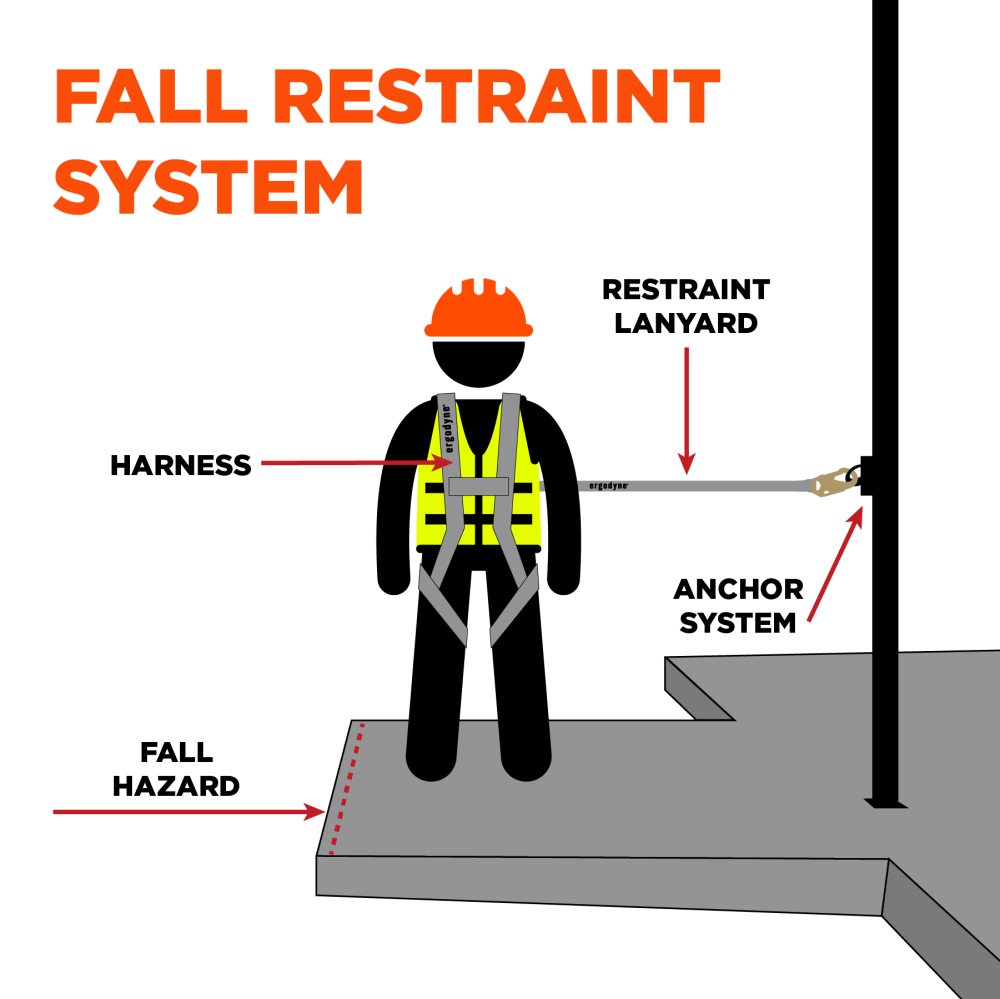
A fall restraint harness is a piece of equipment worn by workers that helps restrict their movement to prevent them from reaching a point where a fall could occur. It typically consists of straps, buckles, and attachment points for connecting to a lanyard.
A lanyard, on the other hand, is a flexible line or strap that connects the harness to an anchor point or lifeline. In the event of a fall, the lanyard absorbs the energy of the fall and reduces the impact on the worker’s body.
When used correctly, fall restraint harnesses and lanyards can significantly reduce the risk of falls and provide workers with added confidence when working at heights. It is essential for employers to provide proper training on how to use these safety devices effectively.
Regular inspection and maintenance of fall restraint harnesses and lanyards are also crucial to ensure their effectiveness. Damaged or worn-out equipment should be replaced immediately to prevent accidents.
By investing in high-quality fall restraint harnesses and lanyards and promoting a culture of safety in the workplace, employers can create a safer working environment for their employees while complying with health and safety regulations.
Remember, when it comes to working at heights, safety should always come first. Fall restraint harnesses and lanyards play a vital role in keeping workers safe and preventing accidents that could have serious consequences.
Key Advantages of Fall Restraint Harnesses and Lanyards for Height Safety
- 1. Enhances worker safety at heights by preventing falls.
- 2. Provides added confidence to workers working in elevated positions.
- 3. Helps comply with health and safety regulations regarding fall protection.
- 4. Reduces the risk of serious injuries or fatalities in case of a fall.
- 5. Allows for greater freedom of movement while ensuring safety.
- 6. Can be adjusted for a comfortable and secure fit for different body types.
- 7. Easy to connect and disconnect, making it convenient for use.
- 8. Regular inspection and maintenance ensure long-lasting effectiveness.
Challenges of Using Fall Restraint Harnesses and Lanyards in the Workplace
- Restricts movement, which can be limiting in certain work scenarios.
- May cause discomfort or chafing if worn for extended periods.
- Requires proper training to use effectively, increasing the need for comprehensive safety programs.
- Can be cumbersome and bulky, hindering agility and mobility in some situations.
- Regular inspection and maintenance are necessary, adding to maintenance costs and time.
- In the event of a fall, there is still a risk of injury despite the safety measures.
1. Enhances worker safety at heights by preventing falls.
Fall restraint harnesses and lanyards offer a crucial advantage in enhancing worker safety at heights by effectively preventing falls. By restricting the movement of workers and providing a secure connection to anchor points, these safety devices significantly reduce the risk of accidents occurring due to slips or trips. This proactive approach not only safeguards individuals working at elevated positions but also instils a sense of confidence and security, promoting a safer working environment overall.
2. Provides added confidence to workers working in elevated positions.
Fall restraint harnesses and lanyards offer a significant advantage by providing added confidence to workers who are tasked with working in elevated positions. Knowing that they are securely attached to a fall protection system can help workers feel more secure and focused on their tasks, reducing anxiety and improving overall job performance. This increased sense of safety and assurance can boost morale and productivity, ultimately creating a safer and more efficient work environment for all involved.
3. Helps comply with health and safety regulations regarding fall protection.
One significant advantage of using fall restraint harnesses and lanyards is that they help companies comply with health and safety regulations concerning fall protection. By providing workers with the necessary equipment to prevent falls and protect them at heights, employers demonstrate their commitment to creating a safe working environment in accordance with regulatory requirements. Ensuring that employees are properly equipped with fall restraint harnesses and lanyards not only reduces the risk of accidents but also demonstrates a proactive approach to workplace safety, fostering a culture of compliance and responsibility within the organisation.
4. Reduces the risk of serious injuries or fatalities in case of a fall.
One significant advantage of using fall restraint harnesses and lanyards is that they effectively reduce the risk of serious injuries or fatalities in the event of a fall. By restricting the movement of workers and providing a secure connection to an anchor point, these safety devices prevent individuals from reaching a point where a fall could occur. In case of a fall, the lanyard absorbs the energy and minimises the impact on the body, significantly lowering the chances of severe injuries or fatal accidents. This proactive approach to fall protection not only safeguards workers’ well-being but also promotes a safer working environment where risks are mitigated and lives are protected.
5. Allows for greater freedom of movement while ensuring safety.
Fall restraint harnesses and lanyards offer the advantage of allowing greater freedom of movement for workers while maintaining a high level of safety. By restricting movement only to the extent necessary to prevent falls, these safety devices enable workers to perform their tasks with more flexibility and agility. This increased freedom of movement not only enhances productivity but also improves overall comfort and efficiency in challenging work environments at heights. Workers can manoeuvre confidently knowing that they are securely protected by the fall restraint harness and lanyard, striking a balance between safety and mobility.
6. Can be adjusted for a comfortable and secure fit for different body types.
One significant advantage of fall restraint harnesses and lanyards is their ability to be adjusted to provide a comfortable and secure fit for individuals with different body types. This feature ensures that workers can wear the harnesses comfortably for extended periods, allowing them to focus on their tasks at height without discomfort or distraction. By accommodating various body shapes and sizes, these adjustable harnesses promote better compliance with safety protocols, enhancing overall safety measures in the workplace.
7. Easy to connect and disconnect, making it convenient for use.
One significant advantage of fall restraint harnesses and lanyards is their ease of connection and disconnection, which enhances convenience during use. The simple yet effective design allows workers to quickly attach and detach the harness and lanyard, saving valuable time and ensuring efficient workflow when working at heights. This feature not only improves productivity but also promotes adherence to safety protocols as workers can easily secure themselves without unnecessary delays or complications.
8. Regular inspection and maintenance ensure long-lasting effectiveness.
Regular inspection and maintenance of fall restraint harnesses and lanyards are key practices that contribute to their long-lasting effectiveness. By conducting routine checks and addressing any issues promptly, employers can ensure that the safety equipment remains in optimal condition to protect workers at heights. This proactive approach not only enhances the durability of the harnesses and lanyards but also helps prevent potential accidents due to worn-out or damaged components. Investing time and resources in regular maintenance demonstrates a commitment to safety and reinforces a culture of workplace well-being.
Restricts movement, which can be limiting in certain work scenarios.
In certain work scenarios, one notable drawback of fall restraint harnesses and lanyards is that they can restrict movement, potentially limiting the range of motion for workers. This restriction may pose challenges in tasks that require extensive mobility or agility, making it harder for individuals to perform certain job functions efficiently. Employers and safety managers need to assess the specific requirements of each work environment to determine if the use of fall restraint harnesses and lanyards may hinder productivity or task completion in certain situations. Balancing safety with practicality is key to ensuring that workers can perform their duties effectively while remaining protected at heights.
May cause discomfort or chafing if worn for extended periods.
When worn for extended periods, fall restraint harnesses and lanyards may pose a con by causing discomfort or chafing to the wearer. The straps and buckles of the harness, as well as the contact points of the lanyard, can rub against the skin and lead to irritation or soreness. This discomfort can be distracting for workers and may affect their focus and productivity while working at heights. Employers should address this issue by providing well-fitted harnesses, padding where necessary, and regular breaks to alleviate any discomfort experienced by workers wearing fall restraint equipment for prolonged durations.
Requires proper training to use effectively, increasing the need for comprehensive safety programs.
One notable drawback of fall restraint harnesses and lanyards is that they require proper training to use effectively, which in turn increases the necessity for comprehensive safety programs. Ensuring that workers are adequately trained on how to correctly wear and utilise these safety devices is crucial for their effectiveness in preventing falls. Employers must invest time and resources in providing thorough training to employees, which can be a challenge for organisations with limited safety resources. However, by prioritising training and incorporating it into comprehensive safety programmes, employers can enhance workplace safety and reduce the risk of accidents when working at heights.
Can be cumbersome and bulky, hindering agility and mobility in some situations.
While fall restraint harnesses and lanyards are essential for ensuring safety at heights, one significant drawback is that they can be cumbersome and bulky, potentially hindering agility and mobility in certain situations. The added weight and restriction of movement imposed by these safety devices may make it challenging for workers to manoeuvre freely, especially in tight or confined spaces. This limitation underscores the importance of selecting harnesses and lanyards that strike a balance between safety and comfort to minimise the impact on workers’ mobility while still providing adequate fall protection.
Regular inspection and maintenance are necessary, adding to maintenance costs and time.
Regular inspection and maintenance of fall restraint harnesses and lanyards, while essential for ensuring their effectiveness and the safety of workers, can present a significant con in terms of added maintenance costs and time requirements. Employers must allocate resources for routine inspections, repairs, and replacements as needed, which can contribute to overall maintenance expenses. Additionally, the time spent on inspecting and maintaining these safety devices may take workers away from other tasks, potentially affecting productivity. Despite these challenges, prioritising proper maintenance is crucial to upholding safety standards and preventing accidents in work environments at heights.
In the event of a fall, there is still a risk of injury despite the safety measures.
In the event of a fall while using fall restraint harnesses and lanyards, there remains a notable concern regarding the potential for injury despite the safety measures in place. While these safety devices are designed to minimize the risk of falls and reduce the impact on the worker’s body, accidents can still occur, leading to injuries. Factors such as the height of the fall, the angle at which the worker falls, and other variables can contribute to the severity of injuries sustained even with the use of fall restraint harnesses and lanyards. It is essential for employers and workers to be aware of these risks and take all necessary precautions to mitigate them effectively.