
Fall Arrest Equipment: Ensuring Safety at Heights
Working at heights poses significant risks, and ensuring the safety of workers in such environments is paramount. Fall arrest equipment plays a crucial role in protecting individuals who work in elevated settings.
Fall arrest equipment is designed to prevent or reduce the impact of a fall from a height. It consists of various components, including harnesses, lanyards, anchors, and connectors. When used correctly, this equipment can save lives and prevent serious injuries.
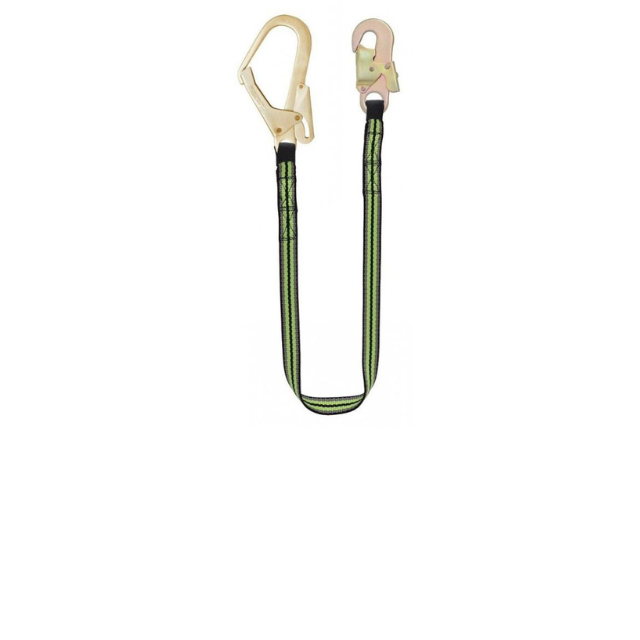
Harnesses are worn by workers and distribute the force of a fall across the body to reduce injury risk. Lanyards are attached to the harness and provide a connection point to an anchor or lifeline. Anchors are fixed points that support the weight of a falling individual, while connectors secure the lanyard to the anchor.
Regular inspection and maintenance of fall arrest equipment are essential to ensure its effectiveness. Proper training on how to use this equipment is also crucial for workers who operate in elevated environments.
Employers have a legal obligation to provide appropriate fall protection systems for their workers. By investing in high-quality fall arrest equipment and ensuring its proper use, employers can create a safer work environment and reduce the risk of falls.
In conclusion, fall arrest equipment is an indispensable tool for safeguarding workers who perform tasks at heights. By prioritising safety and providing adequate training and equipment, employers can protect their workforce from potential hazards and promote a culture of safety in the workplace.
Essential Tips for Ensuring Safety with Fall Arrest Equipment
- Ensure all fall arrest equipment is inspected regularly by a competent person.
- Always follow the manufacturer’s instructions for proper use of the equipment.
- Check that the equipment is suitable for the specific task and environment.
- Inspect harnesses, lanyards, and connectors for any signs of wear or damage before each use.
- Properly adjust harnesses to ensure a secure and comfortable fit.
- Use shock-absorbing lanyards to reduce impact forces in case of a fall.
- Consider factors like anchor points and fall clearance when setting up the system.
- Train workers on how to properly use, inspect, and maintain fall arrest equipment.
- Have rescue procedures in place in case a fall occurs.
Ensure all fall arrest equipment is inspected regularly by a competent person.
It is crucial to ensure that all fall arrest equipment is inspected regularly by a competent person. Regular inspections help identify any potential issues or wear and tear that could compromise the effectiveness of the equipment. A competent person, trained in fall protection systems, can thoroughly assess the condition of harnesses, lanyards, anchors, and connectors to ensure they meet safety standards. By conducting regular inspections, employers can proactively address any concerns and maintain a safe working environment for individuals who work at heights.
Always follow the manufacturer’s instructions for proper use of the equipment.
It is crucial to always adhere to the manufacturer’s instructions for the correct use of fall arrest equipment. Following the guidelines provided ensures that the equipment functions as intended and maximises its effectiveness in preventing falls and reducing risks. Ignoring or deviating from the manufacturer’s instructions could compromise the safety of individuals working at heights. By following these guidelines meticulously, workers can confidently rely on their fall arrest equipment to provide them with the necessary protection and peace of mind while performing tasks in elevated settings.
Check that the equipment is suitable for the specific task and environment.
It is crucial to ensure that the fall arrest equipment is suitable for the specific task and environment in which it will be used. Different work settings may require different types of equipment to effectively mitigate fall risks. By checking that the equipment aligns with the specific demands of the task and environment, workers can enhance their safety and reduce the likelihood of accidents or injuries while working at heights. Properly assessing and selecting the right fall arrest equipment for each scenario is a fundamental step in maintaining a secure working environment.
Inspect harnesses, lanyards, and connectors for any signs of wear or damage before each use.
Before each use, it is crucial to inspect harnesses, lanyards, and connectors for any signs of wear or damage. Regularly checking these components ensures that they are in good condition and can effectively protect individuals working at heights. By identifying and addressing potential issues before use, workers can mitigate the risk of equipment failure and enhance their safety while performing tasks in elevated settings. Remember, a thorough inspection before each use is a simple yet essential step in maintaining the integrity of fall arrest equipment and preventing accidents.
Properly adjust harnesses to ensure a secure and comfortable fit.
When using fall arrest equipment, it is crucial to properly adjust harnesses to guarantee a secure and comfortable fit. A well-fitted harness not only enhances safety by distributing the force of a fall effectively but also ensures that the wearer can work comfortably at heights. By taking the time to adjust harnesses correctly, workers can minimise the risk of injury and focus on their tasks with confidence, knowing that they are adequately protected in case of a fall.
Use shock-absorbing lanyards to reduce impact forces in case of a fall.
When working at heights, it is crucial to utilise shock-absorbing lanyards as part of fall arrest equipment. These lanyards are designed to reduce the impact forces experienced by individuals in the event of a fall. By incorporating shock-absorbing technology into the lanyards, the force of a fall is absorbed and dissipated, helping to minimise the risk of injury to the worker. Using shock-absorbing lanyards demonstrates a proactive approach to safety and underscores the importance of prioritising measures that can significantly enhance worker protection in elevated work environments.
Consider factors like anchor points and fall clearance when setting up the system.
When setting up a fall arrest system, it is crucial to consider various factors such as anchor points and fall clearance. Anchor points should be secure and capable of supporting the weight of a falling individual to ensure the system’s effectiveness. Additionally, calculating the required fall clearance is essential to prevent contact with lower levels or obstacles in the event of a fall. By carefully evaluating these factors and implementing proper safety measures, workers can work confidently at heights knowing that their fall arrest equipment is optimally set up to protect them in case of a fall.
Train workers on how to properly use, inspect, and maintain fall arrest equipment.
To ensure the effectiveness of fall arrest equipment and the safety of workers at heights, it is crucial to provide comprehensive training on how to properly use, inspect, and maintain the equipment. By educating workers on correct usage procedures, regular inspection protocols, and proper maintenance practices, employers can empower their workforce to mitigate risks and prevent accidents. Investing in thorough training not only enhances workplace safety but also instils a culture of responsibility and accountability among employees when working in elevated environments.
Have rescue procedures in place in case a fall occurs.
It is crucial to have rescue procedures in place in case a fall occurs while working at heights. Having well-defined and practised rescue protocols ensures that prompt and effective assistance can be provided to a worker who experiences a fall. By preparing for such emergencies in advance, employers can enhance the safety of their workers and minimise the potential risks associated with falls. Training employees on rescue procedures and conducting regular drills can help ensure a swift and coordinated response in the event of an incident, ultimately contributing to a safer work environment.