
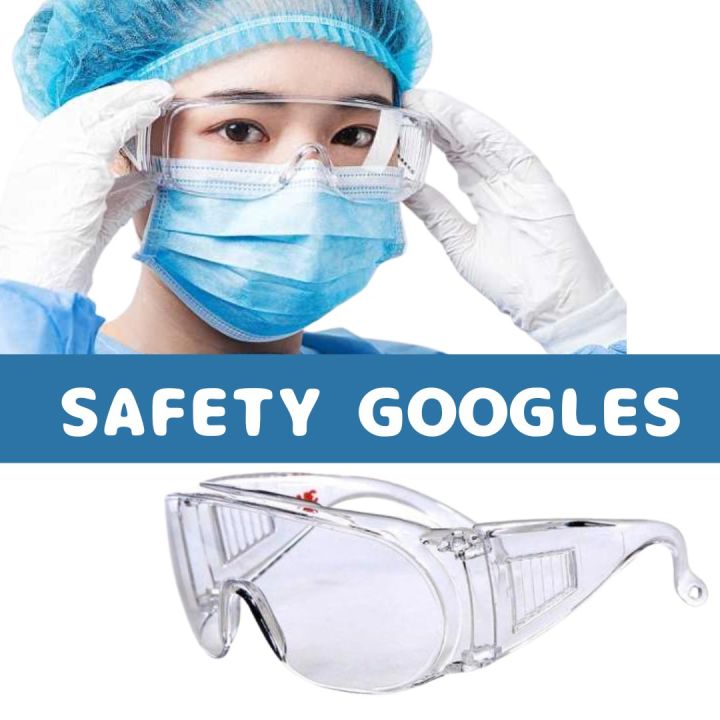
The Importance of Eye Goggles in Medical Settings
Eye goggles are a crucial piece of personal protective equipment (PPE) in medical settings. They provide essential protection for healthcare workers and patients alike, helping to prevent the spread of infections and maintain a safe environment.
One of the primary functions of eye goggles is to shield the eyes from potentially harmful substances such as blood, bodily fluids, and other infectious materials. In medical procedures where splashes or sprays are common, wearing eye goggles can significantly reduce the risk of exposure to pathogens.
Furthermore, eye goggles also help protect against airborne particles and droplets that may carry infectious agents. In situations where respiratory infections are a concern, such as during outbreaks or pandemics, wearing eye protection along with face masks can provide an additional layer of defence.
Aside from infection control, eye goggles can also safeguard against accidental injuries in medical settings. Sharp objects or chemicals that could cause harm to the eyes are prevalent in healthcare environments. By wearing goggles, healthcare professionals can minimise the risk of eye injuries during various procedures.
It is essential for healthcare facilities to provide appropriate eye protection and ensure that staff are trained on how to use and maintain their goggles properly. Regular cleaning and disinfection of goggles are vital to prevent cross-contamination and maintain their effectiveness.
In conclusion, eye goggles play a critical role in maintaining safety and hygiene standards in medical settings. By prioritising the use of this essential PPE, healthcare workers can protect themselves and their patients from potential hazards, contributing to a safer healthcare environment overall.
Understanding Medical Eye Goggles: Uses, Types, and Laboratory Applications
- What is a goggles used for in medical?
- What is goggles for eye protection?
- What are the 3 types of eye protection?
- What is the use of eye goggles in laboratory?
What is a goggles used for in medical?
In medical settings, goggles are primarily used to provide essential protection for both healthcare workers and patients. They serve as a crucial piece of personal protective equipment (PPE) by shielding the eyes from potentially harmful substances such as blood, bodily fluids, and infectious materials. Goggles help to minimise the risk of exposure to pathogens during procedures involving splashes or sprays, as well as protect against airborne particles and droplets carrying infectious agents. Additionally, goggles can prevent accidental injuries from sharp objects or chemicals commonly found in healthcare environments. Proper use and maintenance of goggles are vital to ensure their effectiveness in infection control and safety measures within medical facilities.
What is goggles for eye protection?
Eye goggles for eye protection are specialised eyewear designed to shield the eyes from potential hazards in various environments, particularly in medical settings. These goggles are a crucial component of personal protective equipment (PPE) and serve to safeguard the eyes against splashes, sprays, airborne particles, and other harmful substances. By creating a barrier between the eyes and external threats, such as infectious materials or hazardous chemicals, eye goggles help prevent injuries and reduce the risk of exposure to pathogens. In medical contexts, where safety and infection control are paramount, wearing goggles for eye protection is essential to ensure the well-being of healthcare workers and patients alike.
What are the 3 types of eye protection?
When it comes to eye protection in medical settings, there are three main types of eye protection commonly used: safety glasses, goggles, and face shields. Safety glasses are lightweight and often used in environments where there is a low risk of splashes or airborne particles. Goggles provide a more secure and snug fit around the eyes, offering better protection against liquids and hazardous materials. Face shields, on the other hand, provide full-face coverage and are ideal for situations where there is a higher risk of exposure to splashes or droplets. Each type of eye protection serves a specific purpose in ensuring the safety and well-being of healthcare workers and patients.
What is the use of eye goggles in laboratory?
Eye goggles are essential in laboratory settings to provide protection for the eyes against potential hazards. In a laboratory environment, various activities such as handling chemicals, conducting experiments, or working with equipment can pose risks of splashes, spills, or flying debris that could harm the eyes. Eye goggles act as a barrier, shielding the eyes from chemical substances, biological agents, and other hazardous materials. By wearing eye goggles in the laboratory, individuals can prevent eye injuries and maintain safety while carrying out experiments and procedures. It is crucial to always wear appropriate eye protection to ensure the well-being of laboratory personnel and promote a safe working environment.