
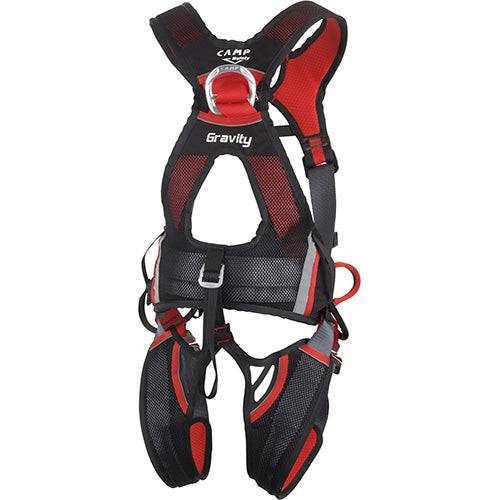
Full Body Fall Protection Harnesses: Ensuring Safety at Heights
Working at heights poses significant risks, making fall protection equipment essential for ensuring the safety of workers. Among the most crucial pieces of gear is the full body fall protection harness.
Designed to distribute fall arrest forces throughout the entire body, these harnesses are a vital component of any comprehensive fall protection system. They consist of straps, buckles, and attachment points that secure a worker in case of a fall.
Full body harnesses are adjustable to fit different body sizes and shapes, ensuring a comfortable yet secure fit for the wearer. They typically include dorsal D-rings for attaching lanyards or lifelines, as well as additional front attachment points for versatility in various working environments.
When used correctly in conjunction with other fall protection equipment such as lanyards and anchor points, full body harnesses can prevent serious injuries or fatalities in the event of a fall. Regular inspection and maintenance are crucial to ensure that the harness remains in good working condition.
Employers have a legal obligation to provide appropriate fall protection equipment and training to workers who are exposed to fall hazards. Investing in high-quality full body fall protection harnesses not only helps comply with regulations but also demonstrates a commitment to prioritising worker safety.
In conclusion, full body fall protection harnesses play a critical role in safeguarding workers who perform tasks at heights. By choosing the right harness and using it correctly, employers can significantly reduce the risks associated with working at elevated levels.
Essential Tips for Ensuring Safe Use of Full Body Fall Protection Harnesses
- Always ensure the harness is properly fitted to the wearer.
- Inspect the harness before each use for any signs of wear or damage.
- Follow manufacturer’s guidelines for proper usage and maintenance.
- Ensure all buckles and straps are securely fastened before use.
- Regularly check and adjust the fit of the harness as needed.
- Use a shock-absorbing lanyard to reduce impact in case of a fall.
- Avoid attaching multiple workers to a single connection point on the harness.
- Store the harness in a clean, dry place away from direct sunlight and chemicals when not in use.
- Seek training on how to properly don and doff the harness for maximum safety.
Always ensure the harness is properly fitted to the wearer.
It is crucial to always ensure that the full body fall protection harness is properly fitted to the wearer. A correctly fitted harness not only enhances comfort but also plays a vital role in ensuring maximum safety in the event of a fall. Adjusting the straps and buckles to fit the wearer’s body size and shape helps distribute fall arrest forces effectively, reducing the risk of injury. Regularly checking and readjusting the harness as needed is essential to maintain its effectiveness and provide optimal protection for individuals working at heights.
Inspect the harness before each use for any signs of wear or damage.
Before each use, it is crucial to inspect your full body fall protection harness for any signs of wear or damage. Regularly checking the harness ensures that it is in optimal condition and can effectively protect you in case of a fall. Look for fraying straps, broken buckles, or any other visible signs of wear that may compromise the integrity of the harness. By taking the time to inspect your equipment before each use, you are prioritising safety and reducing the risk of accidents while working at heights.
Follow manufacturer’s guidelines for proper usage and maintenance.
It is essential to follow the manufacturer’s guidelines for the correct usage and maintenance of full body fall protection harnesses. By adhering to these instructions, users can ensure that the harness functions effectively in the event of a fall. Regular maintenance and inspection as recommended by the manufacturer can help identify any potential issues or wear and tear, allowing for timely repairs or replacements to maintain optimal safety standards. Compliance with the guidelines not only enhances the longevity of the harness but also contributes to a safer working environment for individuals at risk of falls.
Ensure all buckles and straps are securely fastened before use.
Before using a full body fall protection harness, it is crucial to ensure that all buckles and straps are securely fastened. Properly securing the harness ensures that it functions effectively in the event of a fall, providing the necessary support and protection to the wearer. Regularly checking and adjusting the buckles and straps before each use can help prevent accidents and ensure the safety of workers at heights. Remember, taking the time to double-check that everything is properly fastened can make a significant difference in preventing potential risks and ensuring a safe working environment.
Regularly check and adjust the fit of the harness as needed.
It is crucial to regularly check and adjust the fit of your full body fall protection harness as needed. Ensuring that the harness fits properly is essential for its effectiveness in the event of a fall. A well-fitted harness not only enhances comfort for the wearer but also reduces the risk of injury by distributing fall arrest forces evenly across the body. Regular inspections and adjustments can help maintain a secure and reliable connection between the worker and the safety equipment, providing peace of mind when working at heights.
Use a shock-absorbing lanyard to reduce impact in case of a fall.
Using a shock-absorbing lanyard in conjunction with a full body fall protection harness is a crucial safety measure to reduce the impact on a worker in the event of a fall. The shock-absorbing properties of the lanyard help to dissipate the forces generated during a fall, minimising the risk of injury to the wearer. By incorporating this additional component into the fall protection system, employers can enhance the overall effectiveness of their safety measures and provide workers with an extra layer of protection when working at heights.
Avoid attaching multiple workers to a single connection point on the harness.
It is crucial to avoid attaching multiple workers to a single connection point on a full body fall protection harness. Doing so can compromise the safety and effectiveness of the equipment, as it may not be designed to support the combined weight and forces of multiple individuals in the event of a fall. Each worker should have their own dedicated connection point on the harness to ensure proper distribution of forces and minimise the risk of injury in case of a fall. Prioritising individual attachment points for each worker is essential for maintaining optimal safety standards when working at heights.
Store the harness in a clean, dry place away from direct sunlight and chemicals when not in use.
When not in use, it is essential to store your full body fall protection harness in a clean, dry location away from direct sunlight and chemicals. Proper storage helps maintain the integrity and effectiveness of the harness, ensuring that it remains in optimal condition for future use. By following this simple tip, you can prolong the lifespan of your harness and contribute to the safety of workers who rely on this critical piece of equipment for protection at heights.
Seek training on how to properly don and doff the harness for maximum safety.
It is crucial to seek training on how to properly don and doff a full body fall protection harness to ensure maximum safety while working at heights. Proper training will educate workers on the correct procedures for putting on (donning) and taking off (doffing) the harness, as well as how to adjust it for a secure fit. By receiving thorough instruction, workers can avoid common mistakes that may compromise the effectiveness of the harness in the event of a fall. Training also emphasises the importance of regular inspection and maintenance to keep the harness in optimal condition, further enhancing workplace safety practices.