
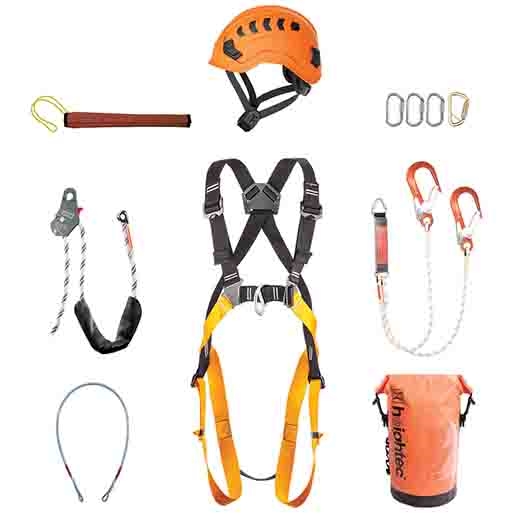
The Importance of Height Harness Equipment in Ensuring Safety
Working at height poses significant risks, and ensuring the safety of individuals in such environments is paramount. Height harness equipment plays a crucial role in providing fall protection and preventing accidents in various industries, including construction, maintenance, and rescue operations.
Height harness equipment typically consists of a full-body harness, lanyard, connectors, and anchorage points. When properly used and maintained, this equipment can save lives by preventing falls and reducing the impact of falls that may occur.
One of the key benefits of height harness equipment is its ability to distribute the force of a fall across the body, reducing the risk of serious injury. In the event of a fall, the harness absorbs much of the impact and helps to prevent free falls that could lead to catastrophic consequences.
Furthermore, height harness equipment is designed to be adjustable and comfortable for users. Proper fitting ensures that the harness remains secure during work at height activities without restricting movement or causing discomfort.
Employers have a legal responsibility to provide appropriate safety equipment, including height harnesses, to workers who are exposed to fall hazards. Regular inspection, maintenance, and training on the proper use of height harness equipment are essential components of a comprehensive fall protection program.
In conclusion, height harness equipment is an essential tool for ensuring safety when working at height. By investing in high-quality harnesses and providing thorough training to workers on their use, employers can significantly reduce the risk of falls and protect the well-being of their employees.
Essential FAQs on Height Harness Equipment: Understanding, Importance, Maintenance, Components, and Regulations
- 1. What is height harness equipment and how does it work?
- 2. Why is height harness equipment important in workplace safety?
- 3. How should height harness equipment be inspected and maintained?
- 4. What are the key components of a height harness system?
- 5. Are there specific regulations or standards that govern the use of height harness equipment?
1. What is height harness equipment and how does it work?
Height harness equipment is a vital safety tool designed to protect individuals working at heights from the risks of falls and injuries. It typically consists of a full-body harness, lanyard, connectors, and anchorage points. The harness fits securely around the body, distributing the force of a fall across the chest, shoulders, and thighs to reduce the impact on any one part of the body. In the event of a fall, the harness acts as a crucial lifeline by preventing free falls and allowing for controlled descent or suspension until rescue. Properly used height harness equipment is essential in ensuring that workers remain safe and secure while performing tasks at elevated levels.
2. Why is height harness equipment important in workplace safety?
Height harness equipment is crucial in workplace safety for several reasons. Firstly, it provides fall protection for workers who are required to perform tasks at height, reducing the risk of serious injuries or fatalities resulting from falls. Additionally, height harness equipment helps to distribute the force of a fall across the body, minimising the impact and potential harm to the individual. By wearing properly fitted harnesses and using appropriate safety gear, workers can feel more secure and confident while working at elevated levels, ultimately enhancing overall safety standards in the workplace. Employers must prioritise the use of height harness equipment to comply with safety regulations and ensure the well-being of their employees in hazardous work environments.
3. How should height harness equipment be inspected and maintained?
When it comes to inspecting and maintaining height harness equipment, thoroughness and regularity are key. Before each use, it is crucial to visually inspect the harness for any signs of wear, damage, or deterioration. Check all components, including straps, buckles, D-rings, and stitching, to ensure they are in good condition. Any equipment that shows signs of wear or damage should be immediately taken out of service and replaced. Additionally, a detailed inspection by a competent person should be conducted at least annually or as recommended by the manufacturer. Proper storage in a clean and dry environment can also help prolong the lifespan of height harness equipment. Regular maintenance and adherence to manufacturer guidelines are essential to ensure that the equipment functions effectively and provides optimal safety for users working at height.
4. What are the key components of a height harness system?
When considering a height harness system, it is essential to understand its key components. A typical height harness system comprises several crucial elements that work together to provide fall protection and ensure the safety of individuals working at height. These components include a full-body harness, lanyard, connectors, and anchorage points. The full-body harness serves as the foundation of the system, distributing the force of a fall across the body to reduce the risk of injury. The lanyard connects the harness to an anchorage point, allowing for movement while maintaining safety. Connectors play a vital role in securing various parts of the system together, while anchorage points provide a secure attachment location for the harness. Understanding and properly utilising these key components are fundamental in ensuring the effectiveness and reliability of a height harness system.
5. Are there specific regulations or standards that govern the use of height harness equipment?
Yes, there are specific regulations and standards that govern the use of height harness equipment to ensure the safety of individuals working at height. In the UK, the Work at Height Regulations 2005 outline the legal requirements for employers and employees when working at height. These regulations require employers to assess risks, use appropriate equipment such as height harnesses, provide adequate training, and implement control measures to prevent falls. Additionally, industry standards such as BS EN 361:2002 specify requirements for full-body harnesses used as part of personal fall protection systems. Adhering to these regulations and standards is crucial in promoting a safe working environment and reducing the risk of accidents related to working at height.