
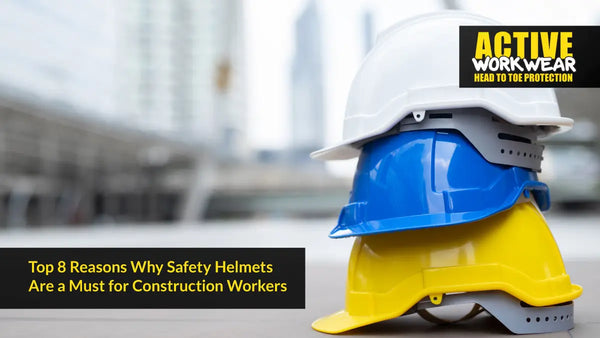
The Importance of Head Protection in Construction
Construction sites are dynamic and busy environments where workers are exposed to various hazards on a daily basis. One of the most critical safety measures in construction is head protection. Wearing a helmet or hard hat can significantly reduce the risk of head injuries and even save lives.
Head injuries are among the most severe and potentially fatal accidents that can occur on a construction site. Falling objects, debris, or even accidental falls from height can result in traumatic head injuries that have long-lasting consequences. By wearing appropriate head protection, construction workers can mitigate these risks and ensure their safety.
Hard hats are designed to absorb and deflect impact energy, protecting the skull and brain from serious harm. They are constructed with a tough outer shell and a cushioning inner lining to provide both impact resistance and comfort for the wearer. Additionally, many helmets come with adjustable straps to ensure a secure fit for different head sizes.
Employers have a legal responsibility to provide suitable head protection for their workers in construction settings. It is essential for employers to enforce strict policies regarding the use of helmets on-site and ensure that all workers comply with these regulations at all times. Regular inspections of helmets should also be conducted to check for any signs of damage or wear that may compromise their effectiveness.
Ultimately, head protection is not just about compliance with regulations; it is about safeguarding the well-being of construction workers. By prioritising head safety on-site, employers can create a culture of safety awareness and demonstrate their commitment to protecting their workforce.
Remember, when it comes to construction safety, prevention is always better than cure. Investing in quality head protection equipment and promoting a safety-first mindset can go a long way in preventing accidents and ensuring that everyone goes home safely at the end of each workday.
Essential FAQs on Head Protection in Construction: Types, Regulations, and Usage
- What is the head protection?
- What are the three types of head protection?
- What is overhead protection in construction?
- What are the construction head protection regulations?
- What is head protection in construction?
- When should head protection be used on a construction site?
- What PPE is used for head protection?
What is the head protection?
Head protection in the context of construction refers to the use of specialised equipment, such as helmets or hard hats, designed to safeguard the head from potential injuries on worksites. These protective gear items are crucial in mitigating risks posed by falling objects, debris, or accidental falls that could lead to severe head trauma. By wearing appropriate head protection, construction workers can significantly reduce the likelihood of sustaining life-threatening injuries and ensure their safety while working in hazardous environments. It is essential for employers and workers alike to understand the importance of head protection and comply with safety regulations to create a secure work environment for all individuals involved in construction activities.
What are the three types of head protection?
In the realm of head protection in construction, there are three primary types of headgear commonly used to safeguard workers from potential hazards. The first type is the hard hat, which is a durable and impact-resistant helmet designed to shield the head from falling objects and impacts. The second type is the bump cap, a lightweight head protector that offers limited protection against minor bumps and scrapes. Lastly, the safety helmet, often equipped with additional features such as ear protection or visors, provides comprehensive head safety for workers in more complex or high-risk construction environments. Understanding the distinctions between these three types of head protection is crucial for ensuring appropriate safety measures are in place on construction sites.
What is overhead protection in construction?
In construction terminology, overhead protection refers to the installation of temporary structures or coverings above a work area to shield workers from falling objects, debris, or other potential hazards from above. This preventive measure is crucial in ensuring the safety of personnel working below elevated surfaces or in areas where there is a risk of objects being dislodged or dropped. Overhead protection not only helps to minimise the likelihood of head injuries but also creates a safer environment for construction activities to proceed without compromising worker safety.
What are the construction head protection regulations?
Construction head protection regulations are crucial guidelines that outline the mandatory requirements for wearing helmets or hard hats on construction sites. These regulations are put in place to ensure the safety and well-being of construction workers by minimising the risk of head injuries from falling objects, debris, or accidental falls. Employers are legally obligated to provide appropriate head protection equipment and enforce strict policies regarding its usage. Regular inspections of helmets to check for any signs of damage or wear are also essential to comply with these regulations effectively. By adhering to construction head protection regulations, employers demonstrate their commitment to creating a safe working environment for their employees and preventing serious accidents on site.
What is head protection in construction?
Head protection in construction refers to the use of helmets or hard hats to safeguard workers from head injuries while working on construction sites. These protective gear are designed to absorb and deflect impact energy, reducing the risk of serious head trauma caused by falling objects, debris, or accidental falls from height. Head protection is a vital safety measure in the construction industry, as it plays a crucial role in preventing potentially life-threatening accidents and ensuring the well-being of workers on-site. Employers are required to provide suitable head protection equipment and enforce strict policies regarding its use to promote a safe working environment for all construction personnel.
When should head protection be used on a construction site?
Head protection should be used on a construction site at all times when there is a risk of head injury. It is essential for construction workers to wear helmets or hard hats whenever they are working in areas where falling objects, debris, or other hazards pose a threat to their safety. Additionally, head protection should be worn during tasks that involve working at heights or in proximity to overhead structures. By making head protection a mandatory requirement in these high-risk scenarios, construction workers can significantly reduce the likelihood of serious head injuries and ensure their well-being on the job.
What PPE is used for head protection?
When it comes to head protection in construction, Personal Protective Equipment (PPE) plays a crucial role in safeguarding workers against potential hazards. The primary PPE used for head protection in construction is a helmet or hard hat. These essential pieces of equipment are specifically designed to absorb impact energy and shield the head from falling objects, debris, or other dangers present on construction sites. By wearing a properly fitted helmet or hard hat, construction workers can significantly reduce the risk of head injuries and ensure their safety while on the job. It is important for employers and workers alike to understand the importance of using appropriate PPE for head protection to create a safe working environment in the construction industry.