
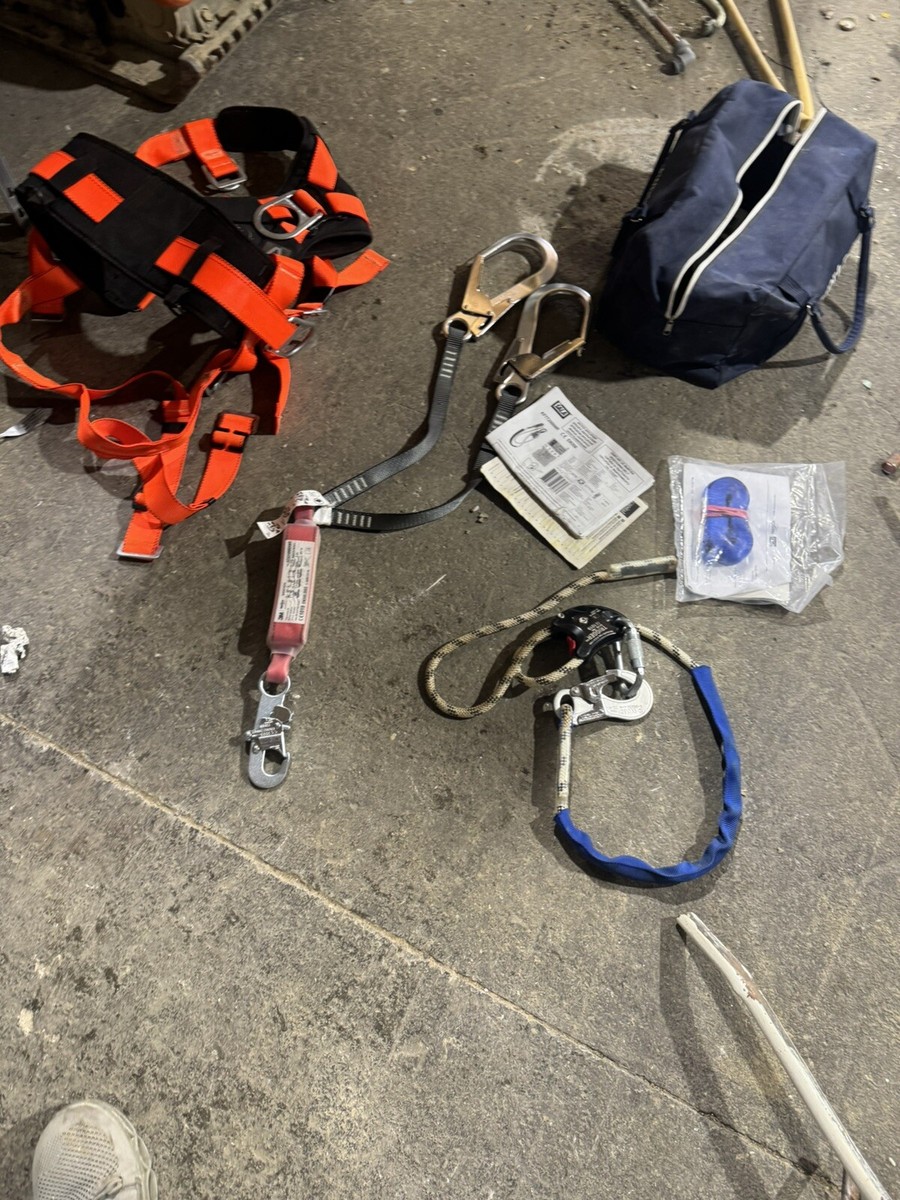
The Importance of 3M Fall Arrest Harness in Workplace Safety
Workplace safety is a top priority for employers and employees alike. In industries where working at heights is common, such as construction, maintenance, and roofing, the risk of falls is a significant concern. Falls from heights can result in serious injuries or even fatalities.
One essential piece of equipment that plays a crucial role in preventing falls and protecting workers is the 3M fall arrest harness. Designed with the latest safety standards in mind, the 3M fall arrest harness provides workers with a reliable and effective means of fall protection.
Here are some key reasons why the 3M fall arrest harness is indispensable in ensuring workplace safety:
- Prevents Falls: The primary function of the 3M fall arrest harness is to prevent workers from falling from heights. By securing the worker to an anchorage point, the harness effectively arrests any potential falls, reducing the risk of injuries.
- Comfort and Mobility: Modern 3M fall arrest harnesses are designed for comfort and ease of movement. They are adjustable to fit different body sizes and shapes, allowing workers to perform their tasks without feeling restricted or uncomfortable.
- Durability and Reliability: The 3M fall arrest harness is built to withstand rigorous use in challenging work environments. Made from high-quality materials and tested for strength and durability, these harnesses provide reliable protection when it matters most.
In conclusion, investing in quality fall protection equipment such as the 3M fall arrest harness is essential for ensuring the safety and well-being of workers at height. By providing reliable fall protection, comfort, mobility, durability, and peace of mind, these harnesses play a vital role in preventing accidents and saving lives.
Essential Information on Using a 3M Fall Arrest Harness: Fitting, Limitations, Maintenance, Versatility, and Training Requirements
- 1. How do I properly fit a 3M fall arrest harness?
- 2. What are the weight and height limitations of a 3M fall arrest harness?
- 3. How often should a 3M fall arrest harness be inspected and replaced?
- 4. Can a 3M fall arrest harness be used in different types of work environments?
- 5. Are there specific training requirements for using a 3M fall arrest harness?
1. How do I properly fit a 3M fall arrest harness?
Ensuring the proper fit of a 3M fall arrest harness is crucial for its effectiveness in providing fall protection. To properly fit the harness, start by adjusting the straps to fit snugly but comfortably around your shoulders, chest, and legs. Make sure all buckles are securely fastened and that there is no slack in the straps. The harness should sit securely on your body without being too tight or too loose. Regularly inspect the harness for any signs of wear or damage, and replace it if necessary to maintain optimal safety standards. Proper fitting of the 3M fall arrest harness is essential to ensure maximum protection and peace of mind while working at heights.
2. What are the weight and height limitations of a 3M fall arrest harness?
When considering the weight and height limitations of a 3M fall arrest harness, it is crucial to adhere to the manufacturer’s guidelines and specifications. The weight and height limitations of a 3M fall arrest harness may vary depending on the specific model and design. It is essential to carefully review the product documentation provided by 3M to determine the maximum weight capacity and height restrictions for each harness. Exceeding these limitations can compromise the effectiveness of the fall protection system and put the user at risk. Prioritising safety by ensuring that users are within the specified weight and height limits is paramount in preventing accidents and maintaining a secure working environment.
3. How often should a 3M fall arrest harness be inspected and replaced?
When it comes to ensuring the safety and effectiveness of a 3M fall arrest harness, regular inspection and replacement are crucial factors. It is recommended that a 3M fall arrest harness be inspected before each use to check for any signs of wear, damage, or defects that could compromise its integrity. Additionally, harnesses should undergo a thorough inspection by a competent person at least once a year, or more frequently depending on the frequency of use and working conditions. If any damage or wear is detected during these inspections, the harness should be replaced immediately to maintain optimal safety standards and protect the user from potential falls. Remember, regular inspection and timely replacement of a 3M fall arrest harness are key practices in ensuring workplace safety at heights.
4. Can a 3M fall arrest harness be used in different types of work environments?
When it comes to the versatility of 3M fall arrest harnesses, the answer is a resounding yes. These harnesses are designed to be adaptable and suitable for use in various types of work environments. Whether it’s in construction, maintenance, roofing, or any other industry where working at heights is involved, the 3M fall arrest harness provides reliable fall protection. Its adjustable features and durable construction make it a practical choice for different body sizes and shapes, ensuring that workers can stay safe and secure regardless of the specific work environment they are in.
5. Are there specific training requirements for using a 3M fall arrest harness?
When it comes to using a 3M fall arrest harness, it is crucial to undergo specific training to ensure its proper and safe use. Training requirements for using a 3M fall arrest harness typically include instruction on how to properly don and adjust the harness, how to connect to anchorage points securely, how to inspect the harness for any signs of wear or damage, and how to perform self-rescue techniques if needed. Additionally, training may cover topics such as fall protection regulations, emergency procedures, and best practices for working at heights. By receiving comprehensive training on the use of a 3M fall arrest harness, individuals can work confidently and safely while reducing the risk of falls and injuries.