
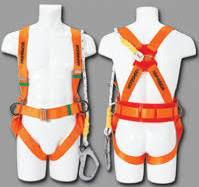
The Importance of Workman Safety Harness in the Workplace
Workman safety harnesses are essential pieces of equipment designed to protect workers who perform tasks at heights or in hazardous environments. These harnesses are a crucial part of ensuring workplace safety and preventing accidents that could result in serious injuries or even fatalities.
One of the key benefits of using a workman safety harness is fall protection. In industries such as construction, maintenance, and utilities, workers often need to operate at elevated heights. A safety harness, when properly worn and attached to a secure anchor point, can prevent a worker from falling and suffering severe injuries.
Additionally, workman safety harnesses can help distribute the force of a fall across the body, reducing the risk of injury upon impact. They provide support and stability to workers working in challenging conditions, allowing them to focus on their tasks without worrying about their safety.
Employers have a legal responsibility to provide appropriate safety equipment, including workman safety harnesses, to their workers. Failure to do so can result in fines, legal action, and reputational damage for the company. By investing in high-quality safety harnesses and providing thorough training on their use, employers demonstrate their commitment to prioritising employee safety.
In conclusion, workman safety harnesses play a vital role in protecting workers from falls and other workplace hazards. Employers must ensure that workers are equipped with the necessary safety gear and are trained on how to use it correctly. By prioritising worker safety through the use of safety harnesses, companies can create a safer work environment and prevent accidents that could have serious consequences.
Essential Tips for Ensuring Workman Safety with Harness Use
- Always inspect the safety harness before use for any signs of wear or damage.
- Ensure the safety harness fits properly and is adjusted according to manufacturer’s guidelines.
- Regularly check and maintain the safety harness to ensure it remains in good working condition.
- Use a suitable anchor point when connecting the safety harness to prevent falls.
- Provide proper training on how to wear, use, and care for the safety harness.
- Replace the safety harness if it has been involved in a fall or shows any signs of deterioration.
Always inspect the safety harness before use for any signs of wear or damage.
It is crucial to always inspect the workman safety harness before use for any signs of wear or damage. Regularly checking the harness ensures that it is in good condition and can effectively protect the worker in case of a fall. Any wear or damage, no matter how minor it may seem, could compromise the safety harness’s integrity and effectiveness. By conducting thorough inspections before each use, workers can identify and address potential issues promptly, helping to maintain a safe working environment and prevent accidents.
Ensure the safety harness fits properly and is adjusted according to manufacturer’s guidelines.
It is crucial to ensure that the workman safety harness fits properly and is adjusted according to the manufacturer’s guidelines. A well-fitted safety harness is essential for its effectiveness in providing protection to workers at heights or in hazardous environments. Following the manufacturer’s instructions for adjusting the harness ensures that it functions as intended, distributing forces evenly in the event of a fall and reducing the risk of injury. Proper fit and adjustment of the safety harness not only enhance worker safety but also demonstrate a commitment to following best practices in workplace safety protocols.
Regularly check and maintain the safety harness to ensure it remains in good working condition.
It is crucial to regularly check and maintain your workman safety harness to ensure it remains in good working condition. By conducting routine inspections and maintenance tasks, such as checking for wear and tear, ensuring proper fitting, and inspecting all components for any signs of damage, you can help guarantee the effectiveness of the safety harness in protecting you from workplace hazards. Regular maintenance not only enhances the longevity of the harness but also ensures that it functions as intended when needed, providing you with reliable protection while working at heights or in hazardous environments.
Use a suitable anchor point when connecting the safety harness to prevent falls.
When using a workman safety harness, it is crucial to always ensure that you use a suitable anchor point when connecting the harness. The anchor point serves as the link between the harness and the structure, providing a secure connection that can prevent falls in case of an accident. Choosing the right anchor point and properly attaching the safety harness can significantly enhance worker safety by reducing the risk of accidents and injuries while working at heights or in hazardous environments. Remember, a strong and stable anchor point is essential for maximising the effectiveness of the safety harness and protecting workers from potential dangers.
Provide proper training on how to wear, use, and care for the safety harness.
It is crucial to provide comprehensive training on how to correctly wear, use, and maintain a workman safety harness. Proper training ensures that workers understand the importance of wearing the harness properly, attaching it securely to anchor points, and inspecting it for any signs of wear or damage. By equipping workers with the knowledge and skills to use the safety harness effectively, employers can enhance workplace safety and reduce the risk of accidents or injuries occurring while working at heights or in hazardous environments. Regular training sessions also reinforce the importance of caring for the safety harness to ensure its longevity and reliability in protecting workers.
Replace the safety harness if it has been involved in a fall or shows any signs of deterioration.
It is crucial to prioritise the safety of workers by adhering to the tip of replacing the safety harness if it has been involved in a fall or displays any signs of deterioration. A safety harness that has been subjected to a fall may have experienced structural damage that compromises its effectiveness in protecting against future incidents. Similarly, any visible signs of wear and tear, such as fraying straps or damaged buckles, indicate that the harness may no longer provide adequate protection. By promptly replacing a safety harness under these circumstances, employers demonstrate their commitment to maintaining a safe working environment and safeguarding the well-being of their employees.