
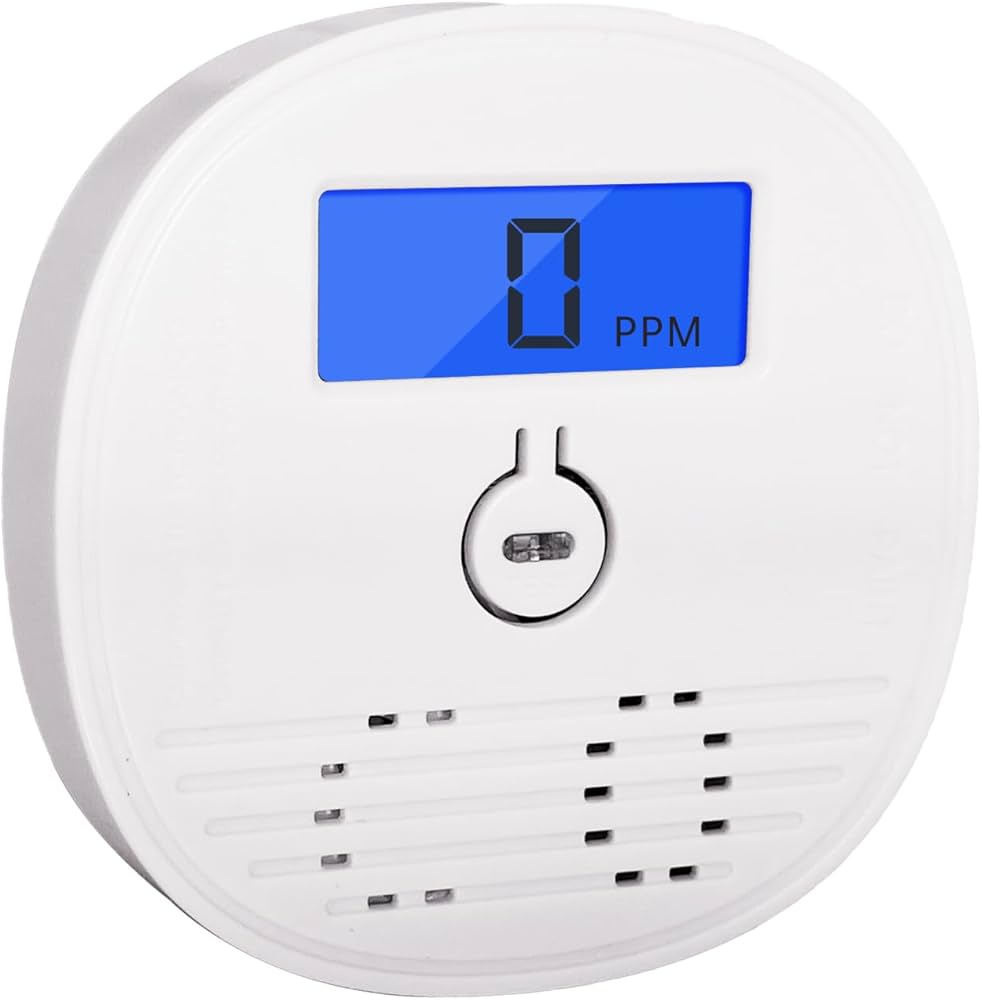
The Importance of Low-Level CO2 Detectors in Ensuring Indoor Air Quality
Indoor air quality is a crucial factor that affects our health and well-being. Poor air quality can lead to various health issues, including respiratory problems, allergies, and fatigue. One often overlooked but significant aspect of indoor air quality is the presence of carbon dioxide (CO2).
Carbon dioxide is a colourless and odourless gas that is naturally present in the air. However, high levels of CO2 can indicate poor ventilation and the accumulation of other harmful pollutants indoors. While most people are aware of the dangers of high levels of CO2, many may not realise that even low levels can have adverse effects on health and cognitive function.
This is where low-level CO2 detectors play a crucial role. These devices are designed to monitor and alert users to the presence of even small increases in CO2 levels in indoor spaces. By detecting low levels of CO2 early, these detectors help prevent the build-up of this gas to harmful concentrations.
Low-level CO2 detectors are especially important in buildings where ventilation may be inadequate or where large numbers of people gather, such as schools, offices, and commercial spaces. By installing these detectors, building owners can ensure that occupants are breathing clean and healthy air.
Furthermore, low-level CO2 detectors not only help protect human health but also contribute to energy efficiency. By identifying areas with poor ventilation or excessive CO2 levels, building managers can make targeted improvements to their HVAC systems, leading to better indoor air quality and lower energy costs.
In conclusion, low-level CO2 detectors play a vital role in ensuring indoor air quality and creating healthy living and working environments. Investing in these devices is a proactive step towards safeguarding the well-being of occupants and promoting overall wellness.
Essential Tips for Effective Use of Low-Level CO2 Detectors in Your Home
- Place the CO2 detector at breathing level for accurate readings.
- Ensure proper ventilation in the room to prevent false alarms.
- Regularly check and replace the batteries in the CO2 detector.
- Keep the CO2 detector away from direct sunlight and heat sources.
- Test the CO2 detector monthly to ensure it is functioning correctly.
- Follow manufacturer’s instructions for installation and maintenance.
- Consider installing multiple detectors in different areas of your home for comprehensive coverage.
Place the CO2 detector at breathing level for accurate readings.
To ensure accurate readings, it is recommended to place the CO2 detector at breathing level. By positioning the detector at this height, it can effectively monitor the CO2 levels that occupants are exposed to during their daily activities. This placement strategy helps provide a more precise indication of indoor air quality and enables timely alerts if CO2 levels rise to potentially harmful concentrations. Remembering to place the CO2 detector at breathing level is a simple yet essential tip for maximising its effectiveness in maintaining a healthy indoor environment.
Ensure proper ventilation in the room to prevent false alarms.
To prevent false alarms from low-level CO2 detectors, it is essential to ensure proper ventilation in the room. Adequate ventilation helps maintain a healthy balance of indoor air quality by allowing fresh air to circulate and preventing the build-up of CO2 levels. By promoting good airflow, proper ventilation not only minimises the risk of false alarms but also contributes to a more comfortable and safe environment for occupants. Regularly checking and maintaining ventilation systems can help optimise their performance and ensure the accurate functioning of low-level CO2 detectors.
Regularly check and replace the batteries in the CO2 detector.
Regularly checking and replacing the batteries in your CO2 detector is a simple yet crucial tip to ensure its effectiveness in monitoring low levels of carbon dioxide in indoor spaces. By maintaining fresh batteries, you can trust that your detector will continue to operate optimally and provide timely alerts if CO2 levels start to rise. This routine maintenance task not only enhances the reliability of your detector but also contributes to the overall safety and well-being of occupants by ensuring continuous monitoring of indoor air quality.
Keep the CO2 detector away from direct sunlight and heat sources.
To ensure accurate and reliable performance, it is important to keep the CO2 detector away from direct sunlight and heat sources. Exposure to direct sunlight and heat can affect the sensor’s readings and lead to false alarms or inaccurate detection of low-level CO2 levels. By placing the detector in a shaded area away from direct sunlight and heat sources, you can help maintain its effectiveness in monitoring indoor air quality effectively.
Test the CO2 detector monthly to ensure it is functioning correctly.
It is advisable to test your low-level CO2 detector on a monthly basis to confirm that it is operating effectively. Regular testing helps ensure that the detector is accurately monitoring the CO2 levels in your indoor environment and promptly alerting you to any potential issues. By incorporating this simple maintenance routine into your schedule, you can have peace of mind knowing that your CO2 detector is ready to provide you with early warnings of any concerning changes in air quality.
Follow manufacturer’s instructions for installation and maintenance.
Following the manufacturer’s instructions for the installation and maintenance of low-level CO2 detectors is crucial to ensure their effectiveness and accuracy in monitoring indoor air quality. Proper installation, as per the manufacturer’s guidelines, helps position the detector optimally for accurate readings. Regular maintenance, as recommended by the manufacturer, ensures that the detector continues to function correctly over time, providing reliable alerts for any low-level CO2 presence. By adhering to these instructions diligently, users can maximise the performance of their CO2 detectors and maintain a safe and healthy indoor environment.
Consider installing multiple detectors in different areas of your home for comprehensive coverage.
Consider installing multiple low-level CO2 detectors in different areas of your home to ensure comprehensive coverage and early detection of any increases in carbon dioxide levels. By strategically placing detectors throughout various rooms, you can monitor the air quality effectively and take prompt action if necessary. This approach helps to create a safer and healthier indoor environment for you and your family, reducing the risk of potential health issues associated with elevated CO2 levels.