
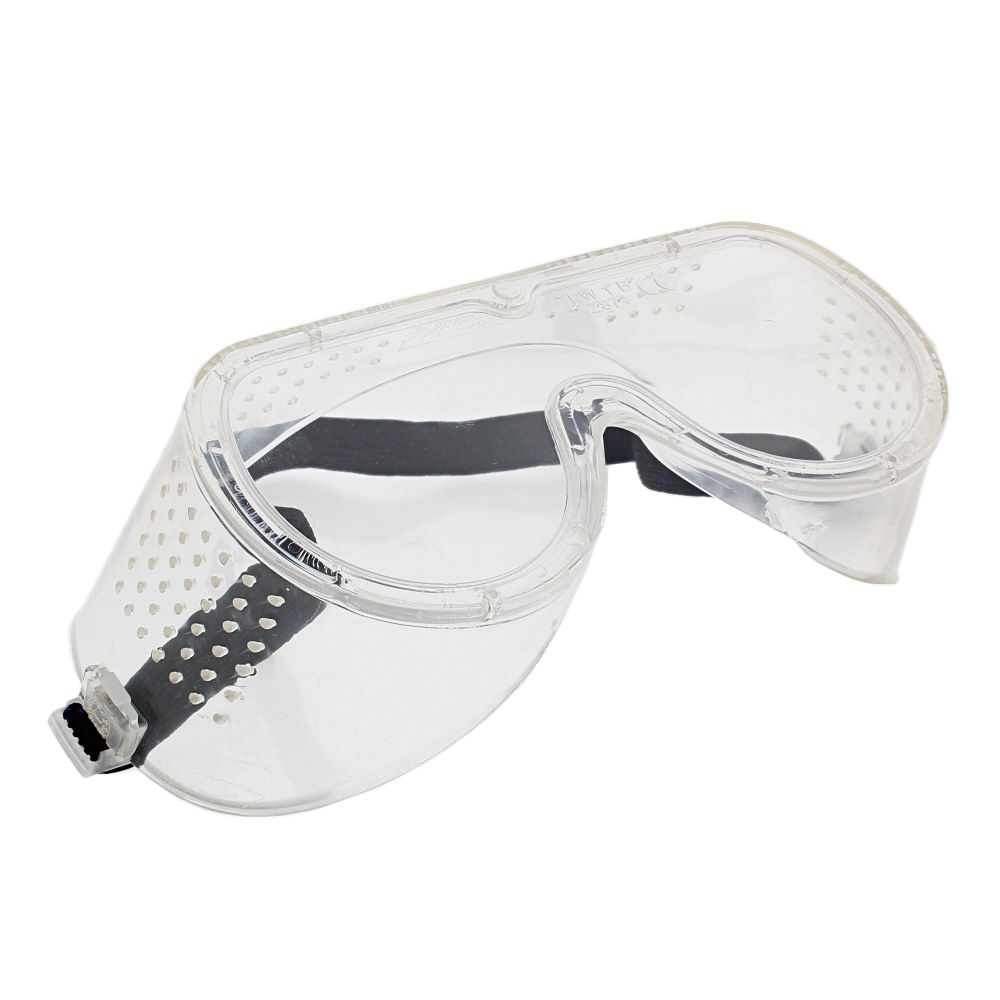
Goggles: Essential Protective Eyewear for Safety
When it comes to ensuring safety in various activities, wearing the right protective gear is crucial. One such essential piece of protective equipment is goggles. Goggles are specially designed eyewear that provides protection for the eyes against hazards such as chemicals, debris, dust, and other harmful substances.
Whether you are working in a laboratory, construction site, or engaging in sports activities like swimming or skiing, goggles play a vital role in safeguarding your vision. Here are some key reasons why goggles are considered essential protective eyewear:
- Eye Protection: Goggles create a barrier between your eyes and potential hazards, reducing the risk of injuries and eye damage.
- Shield Against Particles: Goggles with sealed frames and lenses help prevent particles or debris from entering the eyes during tasks like woodworking, metalworking, or cleaning.
- Chemical Splash Resistance: In laboratory settings or industries dealing with chemicals, goggles with chemical-resistant materials provide protection against splashes and spills that could cause serious harm to the eyes.
- UV Protection: Some goggles come with UV protection lenses that shield your eyes from harmful ultraviolet rays when exposed to sunlight or bright light sources.
- Sports Performance: In sports like swimming, skiing, or cycling, specialised goggles not only protect your eyes but also enhance visibility and performance by reducing glare and improving clarity.
It is important to choose the right type of goggles based on the specific hazards you may encounter. Safety standards recommend selecting goggles that fit securely, provide adequate coverage without obstructing vision, and are made from durable materials.
Remember that prevention is always better than cure when it comes to eye safety. By wearing goggles as part of your protective gear, you can significantly reduce the risk of eye injuries and ensure long-term eye health.
Investing in quality goggles is an investment in your safety and well-being. So next time you engage in any activity where eye protection is necessary, make sure to put on your goggles and see the world through a lens of safety!
Essential Guide to Protective Goggles: Top 9 FAQs Answered
- What are the different types of protective goggles available?
- How do I choose the right goggles for my needs?
- Are goggles necessary for all types of work environments?
- Can protective eyewear be worn over prescription glasses?
- How should I clean and maintain my protective goggles?
- Do all goggles provide UV protection?
- What materials are commonly used in making safety goggles?
- How can I ensure a proper fit for my safety goggles?
- Are there any standards or certifications to look for when purchasing protective eyewear?
What are the different types of protective goggles available?
When it comes to protective goggles, there are various types available to cater to different needs and environments. Safety goggles, for instance, are designed to protect against impact, dust, and debris in industrial settings. Chemical splash goggles offer resistance against hazardous liquids and vapours in laboratories or chemical handling areas. Welding goggles provide protection from intense light and sparks during welding operations. Sports goggles are specifically crafted for athletes engaging in activities like swimming, skiing, or cycling, offering both eye protection and enhanced performance features. Each type of protective goggle serves a specific purpose, ensuring that individuals can choose the right eyewear based on their intended use and level of protection required.
How do I choose the right goggles for my needs?
When it comes to selecting the right goggles for your specific needs, there are several factors to consider. Firstly, identify the type of hazards you will be exposed to – whether it’s chemical splashes, dust particles, UV rays, or impact risks. Choose goggles that provide adequate protection against these specific hazards. Secondly, ensure a proper fit by selecting goggles that sit comfortably on your face without obstructing your vision or causing discomfort. Look for adjustable straps and cushioned frames for a secure and comfortable fit. Lastly, check for certifications and standards compliance to guarantee the goggles meet safety requirements. By carefully assessing your requirements and choosing goggles that offer the necessary features and protection, you can ensure optimal eye safety in any environment.
Are goggles necessary for all types of work environments?
When considering the necessity of goggles in various work environments, it is essential to evaluate the potential risks and hazards present in each specific setting. While goggles are crucial for tasks involving exposure to chemicals, flying debris, or particles that could harm the eyes, their necessity may vary depending on the nature of the work. Industries such as construction, laboratories, manufacturing, and healthcare often require the use of goggles to ensure eye protection against potential injuries. However, in less hazardous environments where there are minimal risks to eye safety, goggles may not be mandatory but are still recommended as a proactive measure to prevent accidents and maintain optimal eye health. Ultimately, assessing the level of risk in a particular work environment is key to determining whether goggles are necessary for ensuring the safety and well-being of individuals.
Can protective eyewear be worn over prescription glasses?
One commonly asked question regarding goggles protective eyewear is whether they can be worn over prescription glasses. The answer is yes, there are specially designed goggles that can be worn comfortably over prescription glasses. These over-the-glasses (OTG) goggles are equipped with a larger frame size to accommodate the additional bulk of prescription eyewear while still providing the necessary protection for your eyes. By opting for OTG goggles, individuals who wear prescription glasses can ensure both clear vision and adequate eye safety in various work or recreational environments without compromising on comfort or protection.
How should I clean and maintain my protective goggles?
Proper cleaning and maintenance of protective goggles are essential to ensure their effectiveness and longevity. To keep your goggles in top condition, start by gently rinsing them with lukewarm water to remove any dirt, debris, or residue. Use a mild soap or lens cleaner specifically designed for eyewear to clean the lenses thoroughly, making sure not to scratch or damage them. Avoid using harsh chemicals or abrasive materials that could compromise the integrity of the goggles. After cleaning, carefully dry the goggles with a soft, lint-free cloth to prevent water spots or streaks. Store your goggles in a clean, dry case when not in use to protect them from dust and scratches. Regularly inspect your goggles for any signs of wear or damage, such as cracks or loose parts, and replace them if necessary to maintain optimal eye protection. By following these simple cleaning and maintenance tips, you can ensure that your protective goggles remain in good condition and continue to provide reliable eye safety when you need it most.
Do all goggles provide UV protection?
When it comes to goggles and UV protection, it is essential to note that not all goggles provide UV protection. While some goggles are specifically designed with UV-blocking lenses to shield the eyes from harmful ultraviolet rays, others may not offer this feature. It is important to check the specifications of the goggles or consult with the manufacturer to ensure that they provide adequate UV protection if this is a crucial factor for your eye safety. Investing in goggles with UV protection can help safeguard your eyes against the damaging effects of UV rays, especially when engaging in outdoor activities or working in environments with high exposure to sunlight.
What materials are commonly used in making safety goggles?
Safety goggles are typically made from a variety of durable materials to ensure optimal protection for the eyes. Commonly used materials in the manufacturing of safety goggles include polycarbonate, acetate, and propionate. Polycarbonate is a popular choice due to its high impact resistance and lightweight properties, making it ideal for protecting against flying debris and impacts. Acetate is known for its chemical resistance, making it suitable for environments where exposure to hazardous substances is a concern. Propionate is another material used in safety goggles for its flexibility and ability to withstand extreme temperatures. These materials are carefully selected to provide users with reliable eye protection in various work or recreational settings.
How can I ensure a proper fit for my safety goggles?
Ensuring a proper fit for your safety goggles is essential to maximise their protective benefits. To achieve a secure and comfortable fit, start by selecting goggles that are designed to conform to your face shape and size. Adjust the straps or temples of the goggles to ensure a snug but not overly tight fit around your head. Make sure the goggles sit securely on your face without gaps between the frame and your skin, especially around the eyes. Check for any discomfort or pressure points that may indicate an improper fit. Regularly inspect and readjust the fit of your safety goggles to maintain optimal protection and comfort during use.
Are there any standards or certifications to look for when purchasing protective eyewear?
When purchasing protective eyewear such as goggles, it is essential to look for specific standards or certifications to ensure their effectiveness in safeguarding your eyes. One crucial certification to consider is the CE mark, which indicates that the goggles meet the European Union’s safety standards. Additionally, certifications like ANSI Z87.1 in the United States and EN166 in Europe signify that the eyewear has undergone rigorous testing for impact resistance, optical clarity, and chemical splash protection. By choosing goggles with these recognised standards or certifications, you can have confidence in their quality and reliability in providing adequate eye protection against various hazards.