
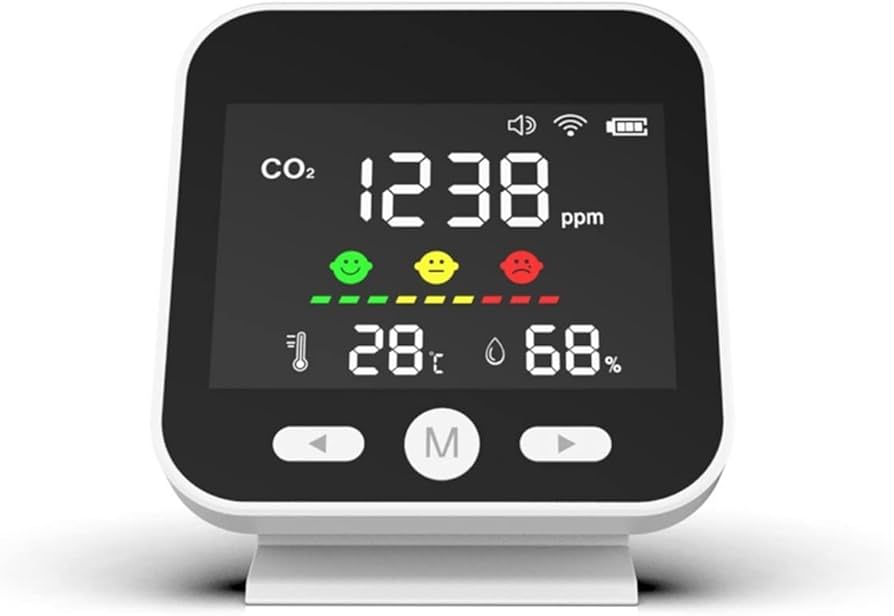
The Importance of Gas and CO2 Detectors in Every Home
Gas leaks and carbon monoxide (CO2) poisoning are serious risks that can occur in any home. The installation of gas and CO2 detectors is crucial to safeguard the health and safety of your family.
Gas leaks, such as those from natural gas or propane, can be highly dangerous as they are often odourless and invisible. A gas detector can quickly alert you to the presence of a leak, allowing you to take immediate action and prevent potential explosions or fires.
Carbon monoxide is a colourless, odourless gas that is produced by the incomplete combustion of fuels like gas, oil, wood, and coal. Exposure to high levels of CO2 can be fatal. A CO2 detector can detect this poisonous gas early on, giving you a chance to ventilate your home and seek help before it’s too late.
It is recommended to install gas and CO2 detectors in key areas of your home, such as near bedrooms, kitchens, and heating appliances. Regularly test the detectors to ensure they are functioning properly.
Remember, prevention is always better than cure when it comes to gas leaks and carbon monoxide poisoning. Investing in quality gas and CO2 detectors can provide you with peace of mind knowing that your loved ones are protected from these silent threats.
Stay safe, stay vigilant – make sure you have gas and CO2 detectors installed in your home today!
Essential Tips for Effective Gas and CO2 Detector Placement and Maintenance in Your Home
- Install a gas and CO2 detector on every level of your home.
- Place detectors near bedrooms and sleeping areas for early warning.
- Regularly test your detectors to ensure they are functioning properly.
- Replace batteries at least once a year or as recommended by the manufacturer.
- Keep detectors away from vents, windows, and doors to prevent false alarms.
- Learn the difference between gas and CO2 alarms to respond appropriately in emergencies.
- Have an evacuation plan in place in case the detector goes off.
Install a gas and CO2 detector on every level of your home.
To enhance the safety of your household, it is advisable to install a gas and CO2 detector on every level of your home. By placing detectors strategically throughout different floors, you can ensure comprehensive coverage and early detection of any potential gas leaks or carbon monoxide threats. This proactive measure can provide valuable time for response and evacuation in the event of an emergency, safeguarding the well-being of your family members and creating a secure living environment for all.
Place detectors near bedrooms and sleeping areas for early warning.
For early warning of potential gas leaks and carbon monoxide exposure, it is crucial to place detectors near bedrooms and sleeping areas in your home. By installing gas and CO2 detectors in these key locations, you can ensure that any alarming levels of these dangerous gases are detected promptly, allowing you and your family to take necessary precautions or evacuate the premises if needed. Prioritising the placement of detectors near bedrooms enhances the safety of those most vulnerable during sleep, providing valuable peace of mind knowing that early warnings are in place to protect against unseen threats.
Regularly test your detectors to ensure they are functioning properly.
Regularly testing your gas and CO2 detectors is a crucial step in ensuring the safety of your home and family. By conducting routine tests, you can verify that the detectors are functioning correctly and will provide timely alerts in the event of a gas leak or carbon monoxide presence. This simple yet essential maintenance task can make a significant difference in preventing potential hazards and giving you peace of mind knowing that your safety measures are reliable and effective.
Replace batteries at least once a year or as recommended by the manufacturer.
To ensure the effective functioning of your gas and CO2 detectors, it is essential to replace the batteries at least once a year or as advised by the manufacturer. Regular battery replacement helps maintain the reliability of these life-saving devices, ensuring they are always ready to alert you to any potential gas leaks or carbon monoxide threats. By following this simple maintenance tip, you can enhance the safety of your home and protect your loved ones from unseen dangers.
Keep detectors away from vents, windows, and doors to prevent false alarms.
To prevent false alarms, it is important to keep gas and CO2 detectors away from vents, windows, and doors. Placing the detectors in such locations can lead to inaccurate readings due to air drafts or external influences. By positioning the detectors away from these areas, you can ensure that they function effectively and provide reliable alerts in case of actual gas leaks or CO2 presence. Proper placement of detectors is key to maintaining a safe and secure environment in your home.
Learn the difference between gas and CO2 alarms to respond appropriately in emergencies.
It is essential to understand the distinction between gas and CO2 alarms to effectively respond in emergencies. Gas alarms are designed to detect leaks of natural gas or propane, alerting you to potential explosions or fires. On the other hand, CO2 alarms are specifically designed to detect carbon monoxide, a colourless and odourless gas that can be fatal if inhaled in high concentrations. By knowing the difference between these two types of alarms, you can take appropriate actions swiftly and decisively to protect yourself and your loved ones in case of a gas leak or CO2 threat.
Have an evacuation plan in place in case the detector goes off.
It is essential to have an evacuation plan in place in case the gas and CO2 detector goes off. A well-prepared evacuation plan ensures that you and your family know exactly what to do if the detectors sound an alarm. Designate escape routes, establish a meeting point outside the home, and practice the evacuation procedure regularly so that everyone is familiar with it. Being proactive and having a clear plan can make a significant difference in ensuring everyone’s safety in the event of a gas leak or CO2 emergency.