
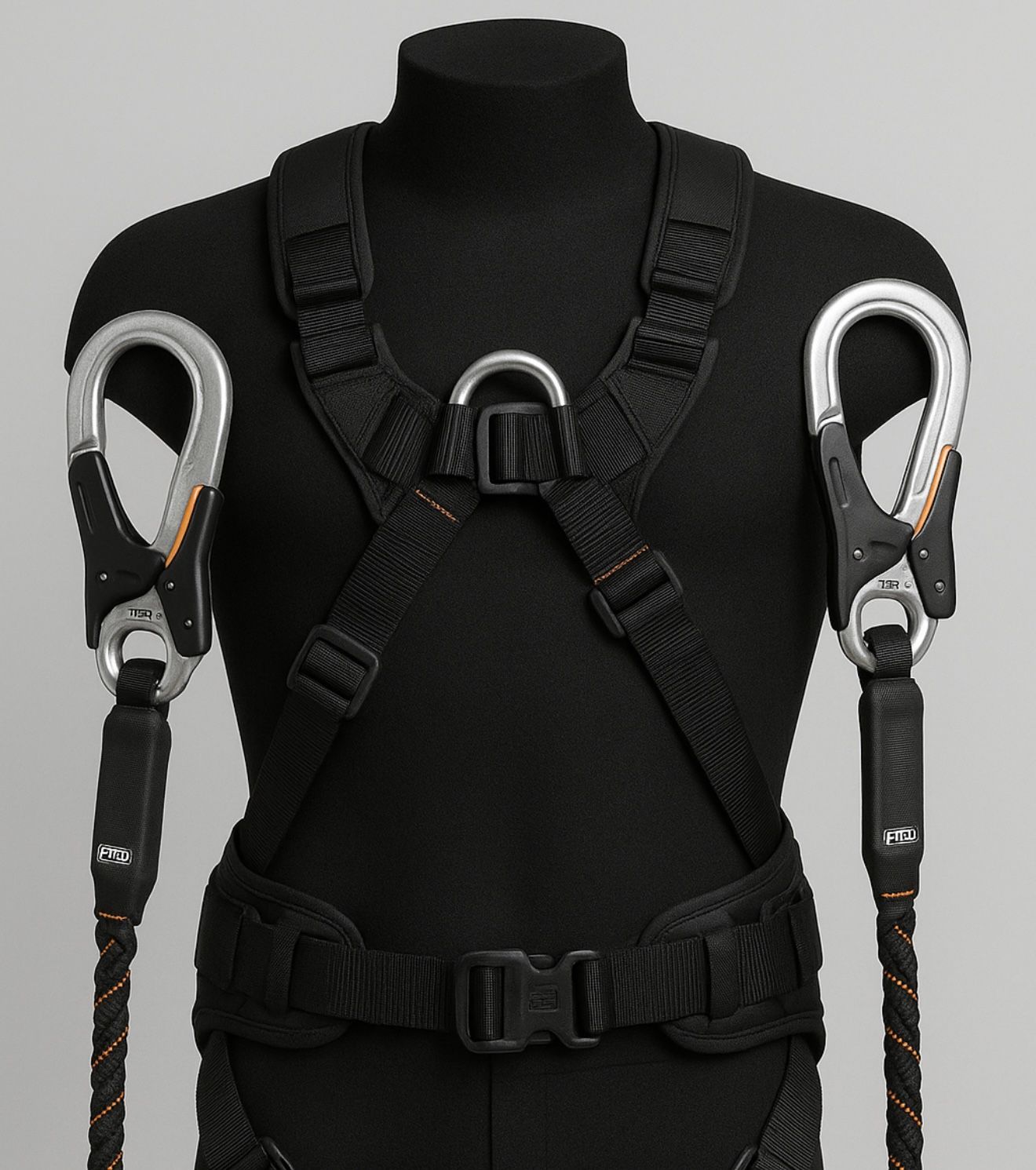
The Importance of Fall Safety Harnesses
Fall safety harnesses are crucial pieces of equipment designed to protect workers who perform tasks at heights. Whether working on construction sites, in industrial settings, or even cleaning windows on tall buildings, fall safety harnesses play a vital role in preventing accidents and saving lives.
One of the key benefits of fall safety harnesses is that they provide a secure connection between the worker and an anchor point. In the event of a fall, the harness distributes the impact force across the body, reducing the risk of serious injuries. This is especially important when working at significant heights where a fall could be fatal.
Additionally, fall safety harnesses are designed to be comfortable and adjustable to ensure that workers can move freely while remaining protected. Proper fitting and regular inspection of harnesses are essential to ensure their effectiveness in an emergency situation.
Employers have a legal responsibility to provide adequate fall protection equipment, including safety harnesses, to employees working at heights. Failure to do so not only puts workers at risk but can also result in costly fines and legal consequences for the employer.
Training on how to properly use fall safety harnesses is also crucial. Workers should be educated on how to inspect their equipment before each use, how to correctly put on and adjust the harness, and what steps to take in case of a fall.
In conclusion, fall safety harnesses are essential tools for ensuring worker safety when working at heights. By investing in high-quality harnesses, providing proper training, and conducting regular inspections, employers can create a safer work environment and prevent tragic accidents.
Understanding Fall Safety Harnesses: Key Differences, Types, and Regulations Explained
- What is the difference between Type 1 and Type 2 fall protection?
- What are the 4 types of fall protection?
- What are the 3 types of harnesses?
- What is the difference between a rescue harness and a fall protection harness?
- What are the 5 levels of fall protection?
- What is a fall protection harness?
- What are 3 types of fall protection devices?
- What are the rules for fall harnesses?
What is the difference between Type 1 and Type 2 fall protection?
When it comes to fall protection systems, understanding the difference between Type 1 and Type 2 is crucial for ensuring proper safety measures. Type 1 fall protection is designed to arrest a fall immediately upon detection, offering quick and efficient protection for workers at heights. On the other hand, Type 2 fall protection allows for a slight delay before arresting the fall, providing more flexibility and movement for the worker in certain situations. Both types have their own advantages and considerations depending on the specific work environment and tasks being performed, highlighting the importance of selecting the right fall protection system to ensure maximum safety and effectiveness.
What are the 4 types of fall protection?
When it comes to fall protection, there are four main types of systems that are commonly used to prevent falls and protect workers at heights. These include guardrail systems, safety net systems, personal fall arrest systems, and positioning device systems. Each type of fall protection system has its own specific use and benefits, depending on the nature of the work being carried out and the level of protection required. By understanding the different types of fall protection available, employers can choose the most suitable system to ensure the safety of their workers when working at heights.
What are the 3 types of harnesses?
When it comes to fall safety harnesses, there are three main types commonly used in various industries: full-body harnesses, chest harnesses, and safety belt harnesses. Full-body harnesses are the most common type and provide the highest level of protection by distributing the impact forces across the chest, thighs, and shoulders in the event of a fall. Chest harnesses are designed to be used in conjunction with a full-body harness to prevent workers from falling out of the shoulder straps during a fall. Safety belt harnesses are typically used for positioning rather than fall arrest and feature a waist belt with attachment points for tools or equipment. Understanding the differences between these types of harnesses is crucial for selecting the right one based on the specific work environment and requirements.
What is the difference between a rescue harness and a fall protection harness?
When considering the difference between a rescue harness and a fall protection harness, it is important to understand their distinct purposes. A fall protection harness is primarily designed to prevent falls and reduce the impact of a fall should one occur. It is worn by workers who perform tasks at heights and is equipped with features such as D-rings for connecting to anchor points. On the other hand, a rescue harness is specifically designed for use in emergency situations where a worker needs to be rescued after a fall or other incident. Rescue harnesses often have additional features, such as attachment points for rescue equipment and adjustable straps for securing an injured worker during evacuation. While both types of harnesses are essential for ensuring worker safety at heights, their specific functionalities cater to different aspects of fall protection and rescue operations.
What are the 5 levels of fall protection?
When it comes to fall protection, there are generally five levels that are commonly recognised. These levels provide a hierarchy of measures to prevent falls and protect workers at heights. The first level involves eliminating the risk of falls altogether through proper planning and design. The second level includes using guardrails or barriers to prevent falls. The third level consists of safety nets that can catch a falling worker. The fourth level involves personal fall arrest systems, such as harnesses and lanyards, to stop a fall in progress. Finally, the fifth level is rescue planning, ensuring that prompt and effective rescue procedures are in place in case of a fall. Understanding these five levels is essential for implementing comprehensive fall protection measures in various work environments.
What is a fall protection harness?
A fall protection harness is a critical piece of safety equipment designed to protect individuals working at heights from the risk of falling. It consists of straps, buckles, and attachment points that secure the wearer to an anchor point, preventing them from hitting the ground in the event of a fall. The harness distributes the impact force across the body, reducing the risk of serious injuries. Properly fitting and adjusting a fall protection harness is essential to ensure its effectiveness in an emergency situation. Employers are required to provide and enforce the use of fall protection harnesses for workers at elevated work sites to comply with safety regulations and prevent accidents.
What are 3 types of fall protection devices?
When it comes to fall protection devices, there are three main types commonly used to ensure worker safety at heights. The first type is a fall arrest system, which includes components like harnesses, lanyards, and anchor points designed to stop a fall in progress and minimize the impact on the worker. The second type is a guardrail system, which consists of barriers or rails installed along edges or openings to prevent falls from occurring in the first place. Lastly, a safety net system provides a physical barrier beneath elevated work areas to catch workers in case of a fall, reducing the risk of serious injuries. Each type of fall protection device plays a crucial role in safeguarding workers and preventing accidents in various work environments.
What are the rules for fall harnesses?
When it comes to fall safety harnesses, understanding and adhering to the rules and regulations is paramount for ensuring worker safety at heights. The rules for fall harnesses typically include guidelines on proper fitting, inspection, and usage of the harness. It is essential to ensure that the harness fits correctly, with all straps adjusted snugly but comfortably. Regular inspections of the harness for wear and tear, damage, or defects are crucial to maintaining its effectiveness. Additionally, workers should be trained on how to properly don and adjust the harness, as well as what actions to take in case of a fall. By following these rules diligently, employers can create a safer working environment and reduce the risk of accidents related to working at heights.