
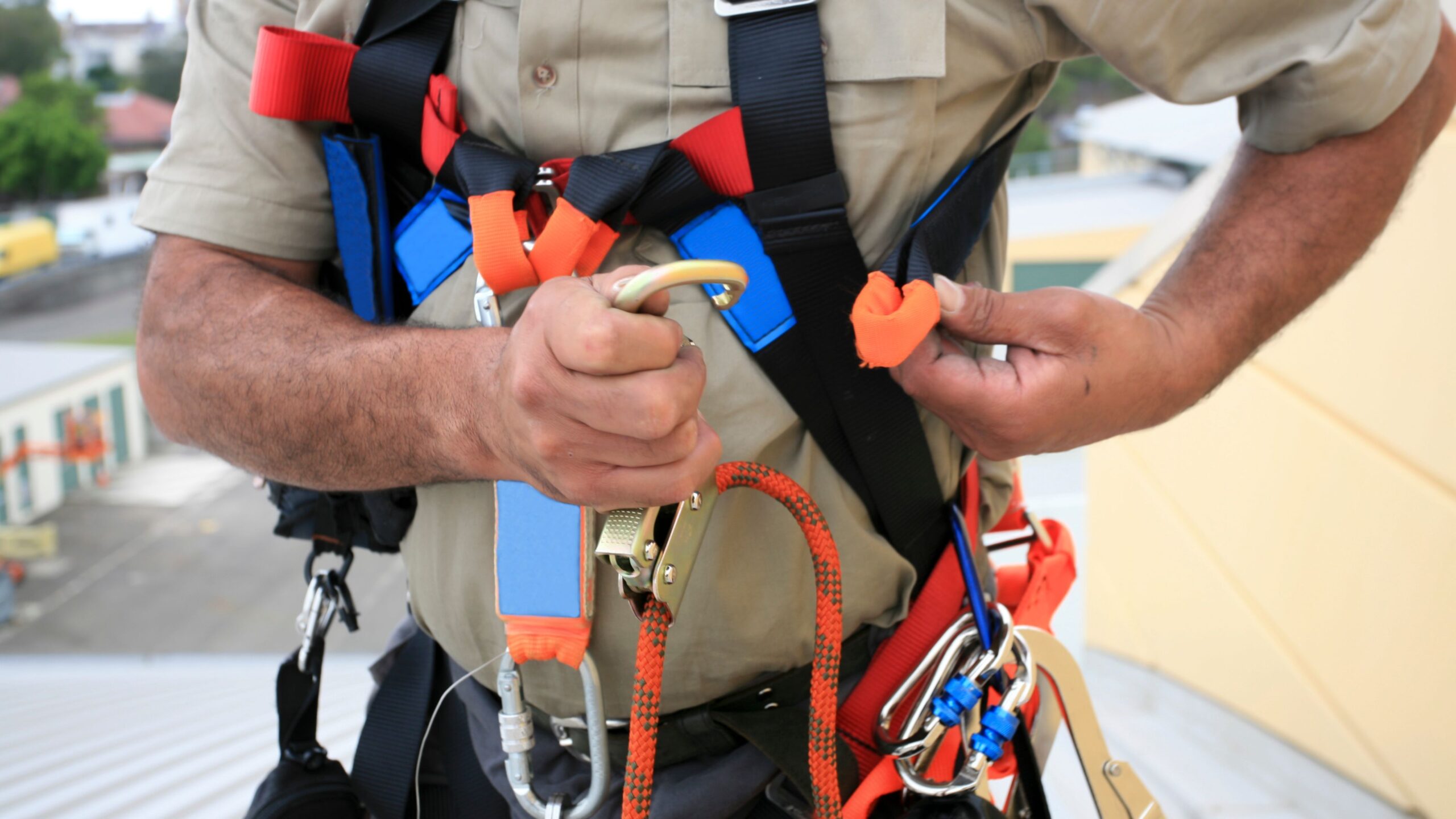
The Importance of Fall Harness in Workplace Safety
In many industries, working at heights is a common practice. Whether it’s construction, maintenance, or window cleaning, employees often find themselves working several feet above the ground. With such tasks come inherent risks, particularly the risk of falling.
One crucial piece of equipment that helps mitigate this risk is the fall harness. A fall harness is a safety device worn by workers to protect them from falls when working at elevated heights. It typically consists of straps, buckles, and attachment points that secure the wearer to an anchor point.
By wearing a fall harness properly and connecting it to a secure anchor point, workers have an added layer of protection in case of a fall. This not only reduces the likelihood of serious injuries but can also save lives.
Employers have a legal responsibility to provide fall protection equipment, including fall harnesses, to employees who work at heights. Regular inspection and maintenance of fall harnesses are also essential to ensure their effectiveness and reliability.
Training on how to properly wear and use a fall harness is equally important. Workers must be educated on how to inspect the equipment for any signs of wear or damage and how to correctly fit and adjust the harness for maximum safety.
Ultimately, investing in high-quality fall harnesses and providing comprehensive training on their use can significantly improve workplace safety standards. By prioritising the protection of workers at heights, employers not only fulfil their legal obligations but also demonstrate a commitment to ensuring the well-being of their employees.
Understanding Fall Harnesses: FAQs on PPE, Protection Methods, and Types
- Is a fall harness considered PPE?
- What are the 4 methods of fall protection?
- What is fall protection PPE?
- What is fall body harness?
- What are the 3 types of harnesses?
Is a fall harness considered PPE?
A fall harness is indeed considered Personal Protective Equipment (PPE) when it comes to workplace safety. PPE is defined as equipment designed to protect workers from health and safety hazards at work, and fall harnesses play a crucial role in safeguarding individuals working at heights. By wearing a fall harness, workers are provided with a vital layer of protection against falls, helping to prevent serious injuries and even fatalities. Employers are responsible for providing appropriate PPE, including fall harnesses, to ensure the safety and well-being of their employees in environments where there is a risk of falling.
What are the 4 methods of fall protection?
When it comes to fall protection, there are four main methods commonly used to prevent falls and protect workers at heights. The first method is guardrail systems, which consist of barriers along edges or openings to prevent accidental falls. The second method is safety net systems, which are installed below work areas to catch workers in case of a fall. The third method is personal fall arrest systems, which include components like harnesses, lanyards, and anchor points to stop a fall in progress. Lastly, the fourth method is positioning systems, which allow workers to be supported while working at elevated heights without the risk of falling. By understanding and implementing these four methods of fall protection, employers can create a safer working environment for their employees.
What is fall protection PPE?
Fall protection PPE, or Personal Protective Equipment, refers to the gear and equipment designed to safeguard workers who are at risk of falling from heights during their job tasks. This includes items such as harnesses, lanyards, anchor points, and other devices that are worn or used to prevent or arrest falls. Fall protection PPE is a critical component of workplace safety in industries where employees work at elevated heights, as it helps reduce the risk of serious injuries or fatalities in the event of a fall. Employers are responsible for providing appropriate fall protection PPE and ensuring that workers are trained on its proper use to maintain a safe working environment.
What is fall body harness?
A fall body harness, commonly known as a fall harness, is a crucial safety device designed to protect workers who perform tasks at elevated heights. It is worn around the torso and shoulders and typically consists of straps, buckles, and attachment points that secure the wearer to a stable anchor point. In the event of a fall, the fall body harness distributes the impact forces across the body, reducing the risk of serious injuries or fatalities. Properly fitting and using a fall body harness is essential to ensure maximum protection for individuals working at heights in various industries such as construction, maintenance, and window cleaning.
What are the 3 types of harnesses?
When it comes to fall harnesses, there are three main types commonly used in various industries for workplace safety: full-body harnesses, chest harnesses, and safety belt harnesses. Full-body harnesses are the most common type and provide the highest level of protection by distributing the force of a fall across the wearer’s body. Chest harnesses are designed to be used in conjunction with a full-body harness to prevent the wearer from falling out of the shoulder straps. Safety belt harnesses, on the other hand, focus on providing support around the waist and are typically used in situations where a full-body harness may be restrictive. Each type of harness serves a specific purpose and is chosen based on the nature of the work being performed and the level of protection required.