
The Importance of Fall Arrester Safety Belts in Workplace Safety
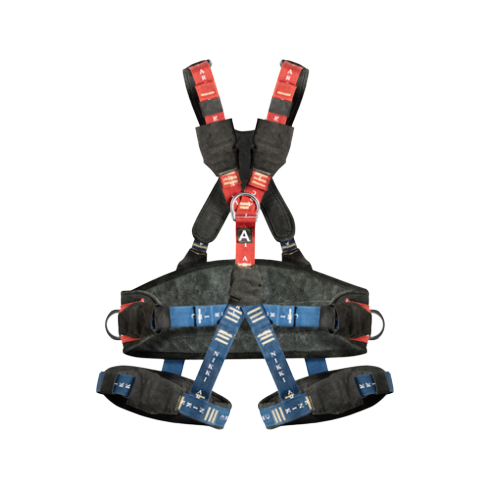
Fall arrester safety belts are essential equipment in ensuring the safety of workers who perform tasks at heights. These safety belts are designed to prevent falls and protect workers from serious injuries or even fatalities.
When working at heights, such as construction sites, telecommunications towers, or industrial facilities, the risk of falling is a significant concern. Fall arrester safety belts provide a crucial line of defence against such risks by stopping a fall in progress or preventing it from happening altogether.
One of the key components of a fall arrester safety belt is the harness, which fits securely around the worker’s body and distributes the impact forces evenly in case of a fall. The lanyard attached to the harness connects the worker to an anchorage point, allowing them to move freely while providing protection against falls.
Regular inspection and maintenance of fall arrester safety belts are vital to ensure their effectiveness. Any signs of wear and tear should be addressed promptly, and damaged equipment should be replaced immediately to maintain optimal safety standards.
Employers have a legal responsibility to provide adequate fall protection equipment, including fall arrester safety belts, and ensure that workers are trained in their proper use. By prioritising workplace safety and investing in quality safety equipment, employers can create a safer working environment for their employees.
In conclusion, fall arrester safety belts play a crucial role in protecting workers at heights and preventing accidents. Their proper use and maintenance are essential for ensuring workplace safety and reducing the risk of falls. By prioritising worker safety and compliance with regulations, employers can promote a culture of safety that benefits everyone involved.
Top 7 Benefits of Fall Arrester Safety Belts for Height Work Safety
- Provides crucial protection against falls when working at heights.
- Helps prevent serious injuries and fatalities in case of a fall.
- Distributes impact forces evenly to reduce the risk of injury.
- Allows workers to move freely while ensuring their safety.
- Complies with workplace safety regulations and standards.
- Promotes a culture of safety and prioritises employee well-being.
- Regular inspection and maintenance enhance longevity and effectiveness.
Challenges and Limitations of Fall Arrester Safety Belts in the Workplace
- Can be uncomfortable to wear for extended periods of time
- May restrict movement and flexibility while working at heights
- Require proper training for correct usage, which some workers may not receive
- Regular inspections and maintenance are necessary, adding to upkeep costs
- In case of a fall, there can be risks of injury due to the sudden stop
- Not suitable for all work environments or tasks, limiting their applicability
Provides crucial protection against falls when working at heights.
Fall arrester safety belts offer a vital safeguard by providing essential protection against falls when working at heights. These safety belts act as a crucial line of defence, ensuring that workers are shielded from the risks associated with falls in various industries and work environments. By securely anchoring individuals and preventing free falls, fall arrester safety belts play a key role in minimising the potential for serious injuries or accidents, thereby promoting a safer working environment for all personnel involved in tasks at elevated locations.
Helps prevent serious injuries and fatalities in case of a fall.
Fall arrester safety belts serve a critical purpose in preventing serious injuries and fatalities in the event of a fall. By swiftly arresting a fall or stopping it altogether, these safety belts provide vital protection to workers at height, reducing the potential impact forces that could lead to severe harm or even death. This proactive measure not only safeguards the well-being of individuals but also underscores the importance of prioritising safety in high-risk work environments.
Distributes impact forces evenly to reduce the risk of injury.
Fall arrester safety belts offer the significant advantage of distributing impact forces evenly across the body, thereby reducing the risk of injury in case of a fall. By spreading the impact throughout the body, these safety belts help minimise the concentrated force on any single area, providing a more balanced and controlled response to sudden movements. This feature is crucial in ensuring that workers are better protected and less susceptible to serious injuries when working at heights or in potentially hazardous environments.
Allows workers to move freely while ensuring their safety.
Fall arrester safety belts offer the invaluable advantage of allowing workers to move freely while maintaining their safety at heights. By providing a secure connection to an anchorage point, these safety belts enable workers to perform their tasks with flexibility and ease, without compromising on their protection against falls. This freedom of movement not only enhances productivity but also promotes a sense of confidence and comfort among workers, knowing that they are safeguarded by reliable fall arrester equipment.
Complies with workplace safety regulations and standards.
Ensuring that fall arrester safety belts comply with workplace safety regulations and standards is a significant advantage. By meeting these requirements, employers demonstrate their commitment to providing a safe working environment for their employees. Compliance with regulations not only helps prevent accidents and injuries but also fosters a culture of safety within the workplace. Workers can feel confident knowing that they are using equipment that has been tested and approved to meet the necessary safety standards, ultimately contributing to a more secure and protected work environment for all.
Promotes a culture of safety and prioritises employee well-being.
The use of fall arrester safety belts in the workplace promotes a culture of safety and demonstrates a clear prioritisation of employee well-being. By providing workers with the necessary safety equipment, employers send a powerful message that the health and safety of their employees are paramount. This proactive approach not only safeguards workers from potential falls but also fosters a work environment where safety is valued, leading to increased morale, productivity, and overall employee satisfaction. Investing in fall arrester safety belts not only protects individuals physically but also contributes to a positive organisational culture that values and prioritises the well-being of its workforce.
Regular inspection and maintenance enhance longevity and effectiveness.
Regular inspection and maintenance of fall arrester safety belts are essential practices that significantly enhance their longevity and effectiveness. By conducting routine checks and addressing any signs of wear or damage promptly, users can ensure that the safety belts remain in optimal working condition. This proactive approach not only extends the lifespan of the equipment but also ensures that it functions as intended when needed, providing reliable protection against falls and contributing to a safer working environment overall.
Can be uncomfortable to wear for extended periods of time
Fall arrester safety belts, while essential for preventing falls and ensuring workplace safety, can pose a con in that they can be uncomfortable to wear for extended periods of time. The harness and straps of the safety belt may cause pressure points or restrict movement, leading to discomfort for workers who need to wear them throughout their shifts. This discomfort can potentially impact productivity and worker morale, highlighting the importance of providing ergonomic and well-fitted safety equipment to ensure both safety and comfort for workers at heights.
May restrict movement and flexibility while working at heights
One potential drawback of fall arrester safety belts is that they may restrict movement and flexibility for workers performing tasks at heights. The harness and lanyard system, while essential for preventing falls, can sometimes limit the range of motion and agility required to carry out certain job responsibilities effectively. This restriction in movement could potentially impact productivity and comfort levels for workers, highlighting the importance of proper training and ergonomic considerations when using fall arrester safety belts in the workplace.
Require proper training for correct usage, which some workers may not receive
One significant drawback of fall arrester safety belts is that they require proper training for correct usage, which some workers may not receive. Without adequate training, workers may not fully understand how to properly wear and utilise the safety belt, increasing the risk of accidents or injuries in the event of a fall. This lack of training can compromise the effectiveness of the safety equipment and undermine its intended purpose of keeping workers safe while working at heights. Employers must ensure that all workers receive comprehensive training on the correct usage of fall arrester safety belts to maximise their effectiveness and minimise potential risks in the workplace.
Regular inspections and maintenance are necessary, adding to upkeep costs
One notable drawback of fall arrester safety belts is the requirement for regular inspections and maintenance, which can contribute to increased upkeep costs. Ensuring that these safety belts are in optimal working condition involves periodic checks for wear and tear, as well as prompt replacement of any damaged components. The need for scheduled maintenance not only adds to the financial burden but also requires dedicated time and resources to carry out these essential tasks. Despite the cost implications, prioritising proper maintenance is crucial to guarantee the effectiveness of fall arrester safety belts and uphold workplace safety standards.
In case of a fall, there can be risks of injury due to the sudden stop
In the unfortunate event of a fall while using a fall arrester safety belt, there is a potential con to consider: the risk of injury due to the sudden stop. The abrupt halt that occurs when the fall arrester engages can subject the worker to significant forces, which may result in injuries such as bruises, strains, or even more severe trauma. While the safety belt is designed to prevent falls and protect against greater harm, the sudden deceleration upon activation can pose its own set of risks. Proper training on how to mitigate these risks and minimise the impact of a fall is crucial to maximise worker safety when using fall arrester safety belts.
Not suitable for all work environments or tasks, limiting their applicability
In certain work environments or for specific tasks, fall arrester safety belts may not be suitable, thereby limiting their applicability. For example, in confined spaces where mobility is restricted or in situations where workers need to move freely without constraints, the use of fall arrester safety belts may not be practical. Additionally, for tasks that require continuous repositioning or working at low heights where the risk of a fall is minimal, the use of other safety measures may be more appropriate. It is essential for employers to assess the suitability of fall arrester safety belts based on the specific requirements of the work environment to ensure that workers are provided with effective and appropriate fall protection equipment.