
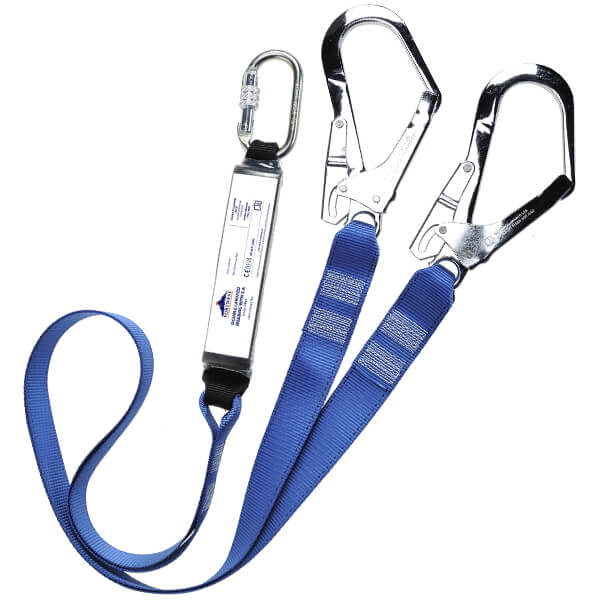
The Importance of Double Lanyard Fall Protection in Work Safety
When it comes to working at heights, safety should always be the top priority. One crucial aspect of fall protection equipment is the double lanyard system, which plays a vital role in preventing accidents and saving lives in hazardous work environments.
A double lanyard fall protection system consists of two separate lanyards that are attached to a worker’s harness. In the event of a fall, one lanyard serves as the primary connection point while the other acts as a backup or secondary connection. This redundancy is key in ensuring that a worker remains safely secured even if one connection fails.
By using a double lanyard system, workers have added protection and security while working at heights. In situations where one lanyard may become damaged or compromised, the second lanyard provides an additional layer of safety, reducing the risk of a fall and potential injuries.
Furthermore, double lanyards allow for continuous connection to an anchor point when transitioning between different attachment points. This seamless transition not only enhances efficiency but also maintains constant protection for workers as they move around elevated work areas.
Employers have a legal obligation to provide adequate fall protection equipment for workers who are exposed to heights in their daily tasks. Implementing double lanyard systems as part of comprehensive fall protection measures demonstrates a commitment to worker safety and compliance with health and safety regulations.
Training on the proper use of double lanyards is essential to ensure that workers understand how to correctly attach and adjust their equipment for maximum effectiveness. Regular inspections and maintenance of all fall protection gear, including double lanyards, are also crucial to identify any signs of wear or damage that could compromise safety.
In conclusion, investing in quality double lanyard fall protection systems is a fundamental step towards creating a safe working environment at heights. By prioritising worker safety through the use of reliable equipment and thorough training, employers can significantly reduce the risk of falls and accidents, ultimately protecting the well-being of their employees.
Understanding Double Lanyard Fall Protection: Key Questions and Answers
- What is a double lanyard fall protection system?
- How does a double lanyard system enhance worker safety?
- Why is using a double lanyard important in fall protection?
- What are the key benefits of using a double lanyard for working at heights?
- How should workers be trained to properly use a double lanyard system?
What is a double lanyard fall protection system?
A double lanyard fall protection system is a critical safety mechanism designed to protect workers at heights. This system consists of two separate lanyards that are connected to a worker’s harness, providing both a primary and secondary attachment point. In the event of a fall, the double lanyard system ensures that the worker remains securely anchored, even if one connection fails. This redundancy not only enhances safety but also allows for continuous protection during transitions between different attachment points. Employers must provide proper training on the use of double lanyards to ensure that workers understand how to utilise this equipment effectively in hazardous work environments.
How does a double lanyard system enhance worker safety?
A double lanyard system enhances worker safety by providing an additional layer of protection and security when working at heights. The dual lanyards offer redundancy, ensuring that if one connection point fails, the other lanyard acts as a backup, preventing a fall and reducing the risk of injuries. This system allows for continuous connection to an anchor point during transitions between different attachment points, maintaining constant protection for workers as they move around elevated work areas. By incorporating a double lanyard system into fall protection measures, employers demonstrate their commitment to safeguarding workers and complying with health and safety regulations, ultimately creating a safer working environment for all.
Why is using a double lanyard important in fall protection?
Using a double lanyard in fall protection is crucial for enhancing safety and reducing the risk of accidents when working at heights. The primary reason for employing a double lanyard system is to provide a backup connection in case the primary lanyard fails. This redundancy ensures that workers remain securely attached at all times, even if one connection point becomes compromised. By having two separate lanyards in place, individuals have an added layer of protection and peace of mind, knowing that they are well-equipped to prevent falls and maintain their safety while carrying out tasks in elevated work environments.
What are the key benefits of using a double lanyard for working at heights?
Using a double lanyard for working at heights offers several key benefits that enhance safety and security for workers. The primary advantage lies in the redundancy provided by having two separate lanyards, ensuring that there is always a backup connection in case of a failure. This dual protection minimises the risk of falls and potential injuries, giving workers added confidence and peace of mind while performing tasks at elevated levels. Additionally, double lanyards facilitate seamless transitions between attachment points, allowing for continuous connection to anchor points during movement. By utilising this reliable fall protection system, employers can demonstrate their commitment to safeguarding their workers and complying with safety regulations in hazardous work environments.
How should workers be trained to properly use a double lanyard system?
To ensure the effective use of a double lanyard fall protection system, workers should undergo comprehensive training that covers key aspects of proper usage. Training sessions should include instruction on how to correctly attach and adjust the lanyards to their harness, as well as how to connect to anchor points securely. Workers must be familiarised with the importance of maintaining tension on both lanyards to prevent slack that could lead to a fall. Additionally, training should emphasise the significance of regular equipment inspections and the proper storage of double lanyards when not in use. By providing thorough and hands-on training, employers can empower workers to confidently and safely utilise double lanyard systems in their daily tasks at heights.