
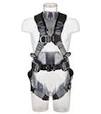
The Importance of Body Belt Fall Protection in Workplace Safety
Workplace safety is a top priority for any organisation, especially in industries where employees are exposed to heights and fall hazards. One crucial component of ensuring worker safety in such environments is the use of body belt fall protection systems.
Body belts are designed to prevent falls and reduce the risk of injury when working at elevated heights. They are typically worn around the waist and are connected to a secure anchor point using a lanyard or lifeline. In the event of a fall, the body belt distributes the impact forces across the wearer’s body, reducing the risk of serious injury.
Employers have a legal obligation to provide a safe working environment for their employees, including adequate fall protection measures. Body belts are an essential part of this safety equipment, particularly in industries such as construction, roofing, and maintenance where employees work at heights.
Proper training on the correct use of body belts is crucial to ensure their effectiveness. Employees should be trained on how to properly fit and adjust the body belt, as well as how to inspect it for any signs of wear or damage before each use.
Regular inspection and maintenance of body belts are also important to ensure their reliability. Any worn or damaged parts should be replaced immediately to prevent accidents.
In conclusion, body belt fall protection is a vital component of workplace safety in industries where employees work at heights. Employers must provide proper training, maintenance, and supervision to ensure that body belts are used correctly and effectively. By prioritising worker safety and investing in quality fall protection equipment, organisations can create a safer working environment for all employees.
Essential FAQs on Body Belt Fall Protection: Understanding Systems, Usage, and Maintenance
- 1. What is a body belt fall protection system?
- 2. How does a body belt help prevent falls?
- 3. When should body belts be worn in the workplace?
- 4. What industries require the use of body belt fall protection?
- 5. How should a body belt be properly fitted and adjusted?
- 6. What are the key maintenance practices for ensuring the effectiveness of body belts?
1. What is a body belt fall protection system?
A body belt fall protection system is a crucial safety apparatus designed to prevent falls and mitigate the risks associated with working at elevated heights. It typically consists of a belt worn around the waist of the worker, which is then connected to a secure anchor point using a lanyard or lifeline. In the event of a fall, the body belt helps distribute impact forces across the wearer’s body, reducing the likelihood of serious injury. Employers in industries where employees are exposed to fall hazards are required to provide and ensure the proper use of body belt fall protection systems as part of their commitment to workplace safety and compliance with regulations.
2. How does a body belt help prevent falls?
A body belt plays a crucial role in preventing falls by providing a secure and reliable connection between the worker and an anchor point. When worn correctly, the body belt fits snugly around the waist and is attached to a lanyard or lifeline that is connected to a secure anchorage. In the event of a fall, the body belt distributes the impact forces across the wearer’s body, reducing the risk of serious injury. This helps to prevent free falls and limits the distance a worker can fall, ultimately reducing the likelihood of accidents and enhancing overall workplace safety. Proper training on how to use and maintain body belts is essential to ensure their effectiveness in preventing falls.
3. When should body belts be worn in the workplace?
In the workplace, body belts should be worn whenever there is a risk of falling from heights or elevated surfaces. It is essential to use body belts in situations where workers are exposed to fall hazards, such as working on scaffolding, roofs, or ladders. Employers should ensure that employees wear body belts whenever they are working at heights and that the belts are correctly fitted and secured to a suitable anchor point. By wearing body belts in these high-risk scenarios, employees can significantly reduce the likelihood of serious injuries in the event of a fall, thus promoting a safer working environment for all.
4. What industries require the use of body belt fall protection?
In industries where employees are exposed to elevated heights and fall hazards, the use of body belt fall protection is crucial to ensure worker safety. Industries such as construction, roofing, maintenance, telecommunications, and utility services commonly require the use of body belt fall protection systems. These industries involve tasks that often involve working at heights, such as climbing ladders, scaffolding, or towers. Employers in these sectors have a legal obligation to provide adequate fall protection measures for their employees, including the use of body belts to prevent falls and reduce the risk of serious injuries. By implementing proper safety protocols and equipment like body belts, these industries can create a safer working environment for their employees.
5. How should a body belt be properly fitted and adjusted?
When it comes to properly fitting and adjusting a body belt for fall protection, there are essential steps to follow to ensure its effectiveness. Firstly, the body belt should be snug but not overly tight around the wearer’s waist, allowing for comfort and mobility while providing secure support. Adjust the straps or buckles according to the wearer’s size to achieve a proper fit. It is crucial to position the body belt correctly on the waist, ensuring that it sits above the hip bones for optimal support during a fall. Regular checks and adjustments should be made to maintain a proper fit, as any looseness or improper positioning can compromise the safety of the wearer in case of a fall. Training on how to correctly fit and adjust a body belt is essential for all users to maximise its protective capabilities in hazardous work environments.
6. What are the key maintenance practices for ensuring the effectiveness of body belts?
Ensuring the effectiveness of body belts relies heavily on implementing key maintenance practices. Regular inspection is crucial to identify any signs of wear or damage that may compromise the integrity of the body belt. It is essential to check for fraying, cuts, or abrasions on the belt material, as well as inspecting all hardware and connections for any defects. Proper storage of body belts in a clean and dry environment can also help prolong their lifespan and maintain their effectiveness. Additionally, following manufacturer guidelines for maintenance and replacing body belts when they reach their expiry date or show significant wear is essential to uphold safety standards and protect workers from fall hazards.