
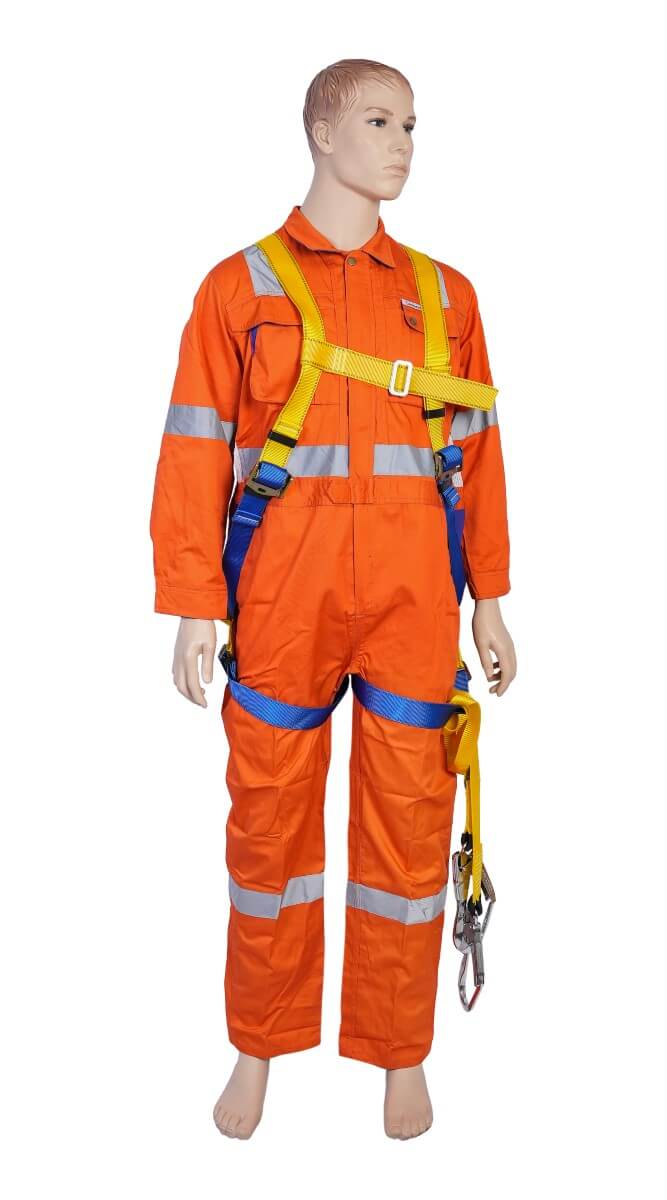
The Importance of Using a Full Body Harness and Lanyard for Fall Protection
When it comes to working at heights, safety should always be the top priority. One of the most crucial pieces of equipment for fall protection is a full body harness combined with a lanyard. These tools are designed to prevent serious injuries or fatalities in case of a fall.
A full body harness is a piece of safety equipment that fits around the torso, shoulders, and legs of a person. It distributes the force of a fall across the body, reducing the risk of injury. When properly fitted and worn, a full body harness can provide both comfort and security for workers at height.
Paired with a lanyard, which is a length of rope or strap that connects the harness to an anchor point, these two pieces of equipment work together to keep workers safe while working at elevated locations. The lanyard acts as a shock absorber, reducing the impact force on the body in case of a fall.
It is essential to ensure that both the full body harness and lanyard are properly inspected before each use. Any signs of wear or damage should be addressed immediately to maintain their effectiveness. Regular training on how to correctly wear and use these safety tools is also crucial for preventing accidents.
By investing in high-quality full body harnesses and lanyards and providing adequate training for their use, employers can create a safer work environment for employees who perform tasks at heights. Prioritising fall protection measures not only ensures compliance with safety regulations but also demonstrates care for the well-being of workers.
Remember, when it comes to working at heights, never compromise on safety. Utilising a full body harness and lanyard can make all the difference between life and death in case of a fall.
Essential FAQs on Full Body Harnesses and Lanyards for Safety at Heights
- What is a full body harness?
- How does a full body harness work for fall protection?
- What are the components of a full body harness?
- What is a lanyard and how does it connect to a full body harness?
- Why is it important to use a full body harness and lanyard when working at heights?
- How should I properly fit and adjust a full body harness?
- What are the key safety considerations when using a lanyard with a full body harness?
- Are there specific regulations or standards that govern the use of full body harnesses and lanyards?
What is a full body harness?
A full body harness is a crucial piece of safety equipment designed to protect individuals working at heights. It is a harness that fits around the torso, shoulders, and legs of a person, providing support and distributing the force of a fall across the body. By wearing a full body harness correctly, workers can reduce the risk of serious injuries in case of a fall. This essential safety gear is often used in conjunction with a lanyard to connect the harness to an anchor point, ensuring that individuals are securely attached while working at elevated locations. Regular inspection and proper training on the use of full body harnesses are key to maintaining workplace safety standards and preventing accidents.
How does a full body harness work for fall protection?
When it comes to fall protection, a full body harness plays a critical role in ensuring the safety of individuals working at heights. The design of a full body harness is such that it evenly distributes the force of a fall across the body, reducing the impact on any one area. By securely fitting around the torso, shoulders, and legs, the harness provides support and stability in case of a fall. When connected to an anchor point via a lanyard, the full body harness keeps the wearer suspended in mid-air, preventing them from hitting the ground and potentially suffering serious injuries. This combination of harness and lanyard acts as a crucial safety system that can save lives by minimising the risks associated with falls from height.
What are the components of a full body harness?
When considering the components of a full body harness, it is essential to understand that this safety equipment is designed to provide comprehensive protection for individuals working at heights. A typical full body harness consists of shoulder straps, chest straps, leg loops, and a waist belt, all connected by adjustable buckles and attachment points. These components work together to distribute the force of a fall across the body and keep the wearer secure in case of an incident. Additionally, most full body harnesses come with dorsal D-rings for attaching a lanyard or other fall protection equipment, further enhancing safety measures while working at elevated locations. Understanding the different components of a full body harness is crucial for ensuring proper fit and functionality, ultimately contributing to a safer work environment for those at risk of falls.
What is a lanyard and how does it connect to a full body harness?
A lanyard is a crucial component of fall protection equipment that connects to a full body harness to enhance safety when working at heights. Essentially, a lanyard is a length of rope or strap that serves as a link between the harness worn by the worker and an anchor point. This connection plays a vital role in preventing falls by acting as a shock absorber in the event of an accidental descent. Properly attaching the lanyard to the designated attachment point on the full body harness ensures that the force of impact during a fall is distributed across the body, reducing the risk of serious injury. Understanding how a lanyard connects to a full body harness is essential for ensuring effective fall protection measures are in place while working at elevated locations.
Why is it important to use a full body harness and lanyard when working at heights?
When working at heights, it is crucial to use a full body harness and lanyard for fall protection. These safety equipment pieces are essential in preventing serious injuries or fatalities in the event of a fall. A full body harness distributes the force of a fall across the body, reducing the risk of injury by providing support and security. Paired with a lanyard that acts as a shock absorber, these tools work together to keep workers safe while working at elevated locations. By utilising a full body harness and lanyard, workers can significantly mitigate the risks associated with working at heights and ensure their safety is prioritised throughout their tasks.
How should I properly fit and adjust a full body harness?
Ensuring the proper fit and adjustment of a full body harness is essential for maximising safety when working at heights. To properly fit a full body harness, start by adjusting the straps to ensure a snug but comfortable fit around your torso, shoulders, and legs. The harness should sit securely on your body without being too tight or too loose. Check that all buckles are fastened correctly and that the straps are not twisted. Adjust the leg loops to ensure they are snug but allow for movement. Finally, perform a thorough inspection to confirm that the harness is fitted correctly before use. Proper fitting and adjustment of a full body harness are crucial in preventing accidents and injuries while working at elevated locations.
What are the key safety considerations when using a lanyard with a full body harness?
When using a lanyard with a full body harness, there are several key safety considerations to keep in mind. Firstly, it is crucial to ensure that the lanyard is properly attached to a secure anchor point that can support the weight of the worker in the event of a fall. Additionally, the lanyard should be of appropriate length to prevent striking hazards below in case of a fall. Regular inspection of both the lanyard and full body harness for any signs of wear or damage is essential to maintain their effectiveness. Proper training on how to correctly don and adjust the equipment is also important to ensure optimal safety while working at heights. By adhering to these safety considerations, workers can minimise the risks associated with using a lanyard with a full body harness and enhance overall fall protection measures.
Are there specific regulations or standards that govern the use of full body harnesses and lanyards?
In the UK, the use of full body harnesses and lanyards is governed by specific regulations and standards to ensure the safety of workers at height. The Health and Safety Executive (HSE) provides guidelines and regulations that outline the requirements for fall protection equipment, including full body harnesses and lanyards. Employers are responsible for ensuring that all equipment meets the standards set by the Personal Protective Equipment Regulations 2002 (as amended) and other relevant legislation. Adhering to these regulations not only helps prevent accidents but also demonstrates a commitment to prioritising the safety and well-being of workers in various industries where working at heights is necessary.