
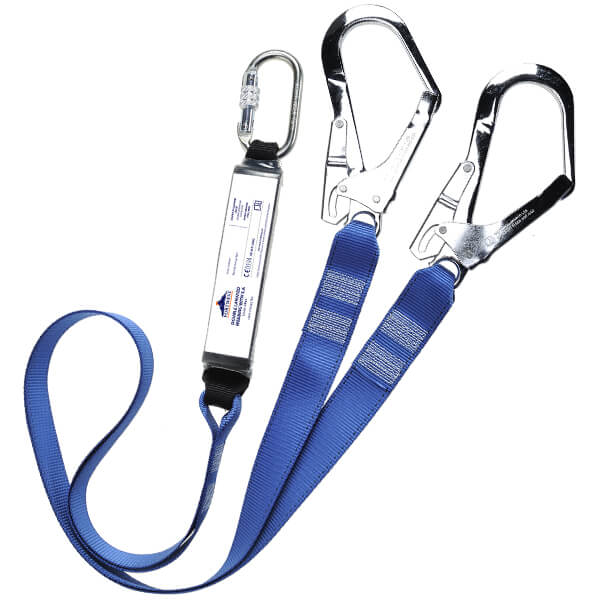
The Importance of Using a Double Lanyard Harness for Safety
When it comes to working at heights or in hazardous environments, safety should always be the top priority. One essential piece of equipment that can greatly enhance safety is the double lanyard harness.
A double lanyard harness is a type of safety harness that features two lanyards instead of one. This design provides an extra layer of protection in case one lanyard fails or becomes compromised. In high-risk situations, having this redundancy can mean the difference between a minor incident and a serious accident.
By using a double lanyard harness, workers can securely attach themselves to anchor points while having the flexibility to move around and perform their tasks. The dual lanyards allow for continuous connection to the safety system even when transitioning between anchor points, ensuring constant protection throughout the job.
Furthermore, double lanyard harnesses are designed to distribute forces evenly in the event of a fall, reducing the risk of injury. This is especially important in industries such as construction, maintenance, and utilities where falls from height are a significant hazard.
Employers have a legal responsibility to provide appropriate safety equipment for workers at height, and using a double lanyard harness is a crucial part of meeting these obligations. Regular inspection and maintenance of the harness are also essential to ensure its effectiveness and reliability.
In conclusion, investing in quality safety equipment like a double lanyard harness is an investment in both worker safety and productivity. By prioritising safety measures and providing workers with the right tools for the job, employers can create a safer work environment and reduce the likelihood of accidents or injuries.
Essential FAQs on Double Lanyard Harnesses: Usage, Safety, and Legal Requirements in the UK
- What is a double lanyard harness and how does it work?
- Why is a double lanyard harness important for safety?
- In which situations should a double lanyard harness be used?
- How do I properly wear and adjust a double lanyard harness?
- What are the key features to look for when choosing a double lanyard harness?
- How often should a double lanyard harness be inspected or replaced?
- Can a double lanyard harness be used in all types of work environments?
- What are the legal requirements for using safety harnesses, including double lanyards, in the UK?
What is a double lanyard harness and how does it work?
A double lanyard harness is a crucial safety equipment used in high-risk work environments, such as construction and maintenance, to protect workers at height. This specialised harness features two lanyards instead of one, providing an added layer of security in case of lanyard failure. The dual lanyards allow workers to remain connected to anchor points at all times, ensuring continuous protection while allowing freedom of movement. In the event of a fall, the double lanyard harness distributes forces evenly to reduce the risk of injury. Employers must provide proper training on how to use and inspect these harnesses regularly to ensure their effectiveness and compliance with safety regulations.
Why is a double lanyard harness important for safety?
Using a double lanyard harness is crucial for safety in various industries, especially those involving working at heights or in hazardous environments. The importance of a double lanyard harness lies in its ability to provide an additional layer of protection and redundancy. In the event that one lanyard fails or is compromised, the second lanyard acts as a backup, significantly reducing the risk of a fall-related accident. This design not only enhances worker safety but also ensures continuous connection to anchor points during tasks, allowing for greater freedom of movement while maintaining constant protection. Ultimately, the use of a double lanyard harness is essential for mitigating risks and minimising potential injuries in high-risk work scenarios.
In which situations should a double lanyard harness be used?
When considering the use of a double lanyard harness, it is essential to assess the specific working conditions and risks involved. Double lanyard harnesses are recommended for situations where there is a heightened risk of falls from height or where workers need to move between multiple anchor points. Industries such as construction, maintenance, and telecommunications often require the use of double lanyard harnesses due to the nature of their work at elevated levels. Additionally, tasks that involve working near unprotected edges or in confined spaces may also warrant the use of a double lanyard harness to provide an extra layer of safety and protection for workers. It is crucial to conduct a thorough risk assessment to determine when a double lanyard harness should be used to mitigate potential hazards effectively.
How do I properly wear and adjust a double lanyard harness?
Properly wearing and adjusting a double lanyard harness is crucial to ensure maximum safety and effectiveness while working at heights or in hazardous environments. To begin, put on the harness by slipping your arms through the shoulder straps and fastening the waist belt securely around your waist. Adjust the straps to ensure a snug fit without restricting movement or causing discomfort. Next, attach both lanyards to suitable anchor points, making sure they are secure and free from obstructions. Adjust the length of the lanyards to allow for proper movement while maintaining a safe distance from potential fall hazards. Regularly check the harness for any signs of wear or damage, and always follow manufacturer guidelines for proper use and maintenance to guarantee optimal protection.
What are the key features to look for when choosing a double lanyard harness?
When selecting a double lanyard harness, there are several key features to consider to ensure maximum safety and effectiveness. Firstly, look for a harness that is adjustable and comfortable, as workers may need to wear it for extended periods. The harness should have durable and high-quality materials that can withstand the rigours of the work environment. Additionally, check for integrated fall protection elements such as shock-absorbing lanyards and secure attachment points. It is also important to choose a harness that meets relevant safety standards and regulations to guarantee its reliability in critical situations. Lastly, consider factors like ease of use, weight distribution, and compatibility with other safety equipment to make an informed decision when choosing a double lanyard harness.
How often should a double lanyard harness be inspected or replaced?
Regular inspection and maintenance of a double lanyard harness is crucial to ensure its effectiveness and reliability in providing safety for workers at heights or in hazardous environments. It is recommended that double lanyard harnesses be inspected before each use to check for any signs of wear, damage, or deterioration. Additionally, a thorough inspection by a qualified individual should be conducted at least annually, or more frequently depending on the frequency of use and the working conditions. Any harness that shows signs of wear or damage should be replaced immediately to prevent potential risks and ensure the safety of the user. Remember, when it comes to safety equipment like double lanyard harnesses, regular inspections are key to maintaining a safe working environment.
Can a double lanyard harness be used in all types of work environments?
When considering the use of a double lanyard harness in various work environments, it is important to assess the specific requirements and risks associated with each setting. While a double lanyard harness provides an added layer of safety and protection, its suitability for different work environments may vary. Industries such as construction, maintenance, and utilities where working at heights is common may benefit greatly from the use of a double lanyard harness due to the heightened risk of falls. However, in environments with unique hazards or constraints, such as confined spaces or areas with limited mobility, alternative safety measures or equipment may be more appropriate. It is essential to conduct a thorough risk assessment and consult with safety professionals to determine the most suitable safety solutions for each work environment.
What are the legal requirements for using safety harnesses, including double lanyards, in the UK?
In the UK, there are legal requirements in place regarding the use of safety harnesses, including double lanyards, to ensure the safety of workers at height. Employers have a duty under the Work at Height Regulations 2005 to conduct thorough risk assessments, provide appropriate safety equipment, including harnesses, and ensure that workers are properly trained in their use. When it comes to using double lanyard harnesses specifically, employers must ensure that the equipment meets relevant British and European safety standards. Regular inspections, maintenance, and proper storage of harnesses are also mandatory to comply with health and safety regulations in the UK. By adhering to these legal requirements, employers can help protect their workers from falls and other hazards while working at height.