
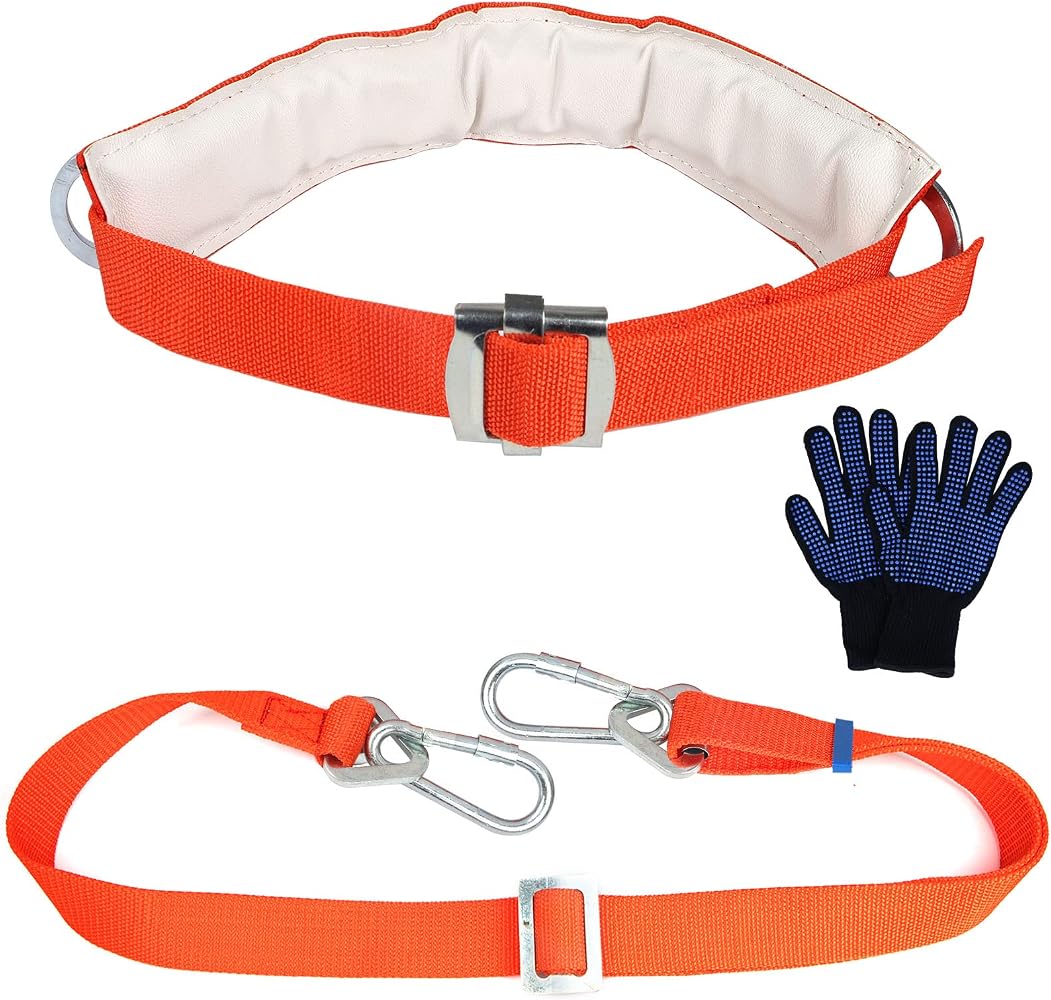
Ladder Safety Harness: What You Need to Know
A safety harness may be needed for some work at height, but it is not a substitute for choosing the right access equipment or securing a ladder properly. A harness will only help if it is part of a suitable system, used with a compatible anchor point and supported by proper training and a rescue plan.
Start by asking whether a ladder is suitable
Under UK work-at-height guidance, work should be planned to avoid working at height where possible. If that is not reasonably practicable, the risks should be assessed and appropriate equipment selected. Ladders are generally best for low-risk, short-duration tasks where a more suitable work platform is not justified. For longer tasks, or work requiring force, carrying materials or reaching sideways, consider safer options such as a mobile tower, podium or MEWP.
A harness does not make an unsuitable ladder safe. Before starting, assess the task, the working surface, the weather, nearby hazards and how the worker will get on and off the ladder.
Can you attach a harness to a ladder?
Do not assume that a ladder is a suitable anchorage point. Most ladders are not designed to arrest a person’s fall, and attaching a lanyard to one may pull it over or cause it to fail. A harness should only be used with an anchorage and system specifically assessed as suitable for the task.
Where a harness system is required, a competent person should select and check the equipment, anchorage and connection method. The system must be compatible, correctly fitted and appropriate for the potential fall distance. A fall-arrest system also needs sufficient clearance below the user to prevent them striking the ground or an obstruction.
Restraint and fall arrest
A restraint system is designed to prevent the wearer from reaching a position where a fall could occur. Where practicable, preventing access to the fall edge is generally preferable to arresting a fall.
A fall-arrest system is designed to stop a fall after it has started. It does not prevent the fall itself, and the wearer may be left suspended. Suspension can become a serious emergency, so a prompt, workable rescue plan is essential. Calling the emergency services should not be the only rescue arrangement.
Safe ladder practices
- Use a ladder of the correct type, height and duty rating, and check it before use.
- Place it on firm, level ground and secure it against slipping or movement where practicable.
- Maintain three points of contact when climbing, and avoid overreaching; move the ladder instead.
- Keep your body between the stiles and do not carry loads that prevent a secure handhold.
- Do not use a damaged ladder, or work in conditions that make the ladder unstable.
- Keep the area around the ladder clear and protect it from vehicle or pedestrian traffic where necessary.
Harness checks and training
Anyone using a harness should receive appropriate instruction and training in fitting, adjustment, connection and equipment checks. Inspect the harness, lanyard, connectors and other components before each use, following the manufacturer’s instructions. Remove damaged or suspect equipment from service and have it assessed by a competent person. Equipment should also receive any required thorough examination under the applicable arrangements.
Harnesses and lanyards must be compatible with one another and with the anchor point. A poorly fitted harness, unsuitable connection or inadequate fall clearance can make a system ineffective or increase the risk of injury.
Plan the work, not just the equipment
Before using a ladder safety harness, make sure the work-at-height risk assessment explains why a ladder is suitable, what the harness system is intended to do, where it will be anchored and how a suspended worker will be rescued. If these points cannot be established, stop and seek advice from a competent person before work begins.
For further information, consult the Health and Safety Executive’s guidance on working at height and follow the ladder and harness manufacturers’ instructions.
Essential Ladder Safety Harness Tips: Ensuring Secure and Effective Use
- Use a harness only when a suitable, secure anchor point is available.
- Choose a harness designed for the task and follow the manufacturer’s instructions.
- Inspect the harness, lanyard and connectors before every use.
- Get trained in fitting, securing and checking the equipment.
- Use a ladder on firm, level ground; a harness does not prevent every fall.
Use a harness only when a suitable, secure anchor point is available.
Use a safety harness only when there is a suitable, secure anchor point that has been assessed for the task. Never attach a harness to the ladder unless it is specifically designed and approved for that purpose, as the ladder could move or fail in a fall. Check that the harness, connectors and anchor are compatible, and ensure there is enough clearance below you. A harness system should also be supported by appropriate training and a plan for rescuing anyone left suspended.
Choose a harness designed for the task and follow the manufacturer’s instructions.
Choose a harness that is suitable for the specific task and the way it will be used, whether for restraint or fall arrest. Check that it is compatible with the lanyard and anchor point, and always follow the manufacturer’s instructions for fitting, adjustment, inspection and use. A harness is only effective as part of a properly planned system, so seek advice from a competent person if you are unsure.
Inspect the harness, lanyard and connectors before every use.
Inspect the harness, lanyard and connectors before every use, following the manufacturer’s instructions. Look for cuts, fraying, damaged stitching, corrosion, cracks or faulty fastenings, and check that all components are compatible and work correctly. If anything is damaged, worn or uncertain, do not use the equipment: take it out of service and have it checked by a competent person.
Get trained in fitting, securing and checking the equipment.
Get proper training before using a ladder safety harness. You need to know how to fit and adjust it correctly, connect it to a suitable anchor point, and check the harness and its components for damage or wear before each use. If anything is unclear or equipment appears faulty, do not use it until a competent person has checked it.
Use a ladder on firm, level ground; a harness does not prevent every fall.
Always place a ladder on firm, level ground and make sure it is stable before climbing. A safety harness does not prevent every fall, so it should never be treated as a substitute for a properly positioned ladder, safe working practices or suitable fall-protection equipment.