
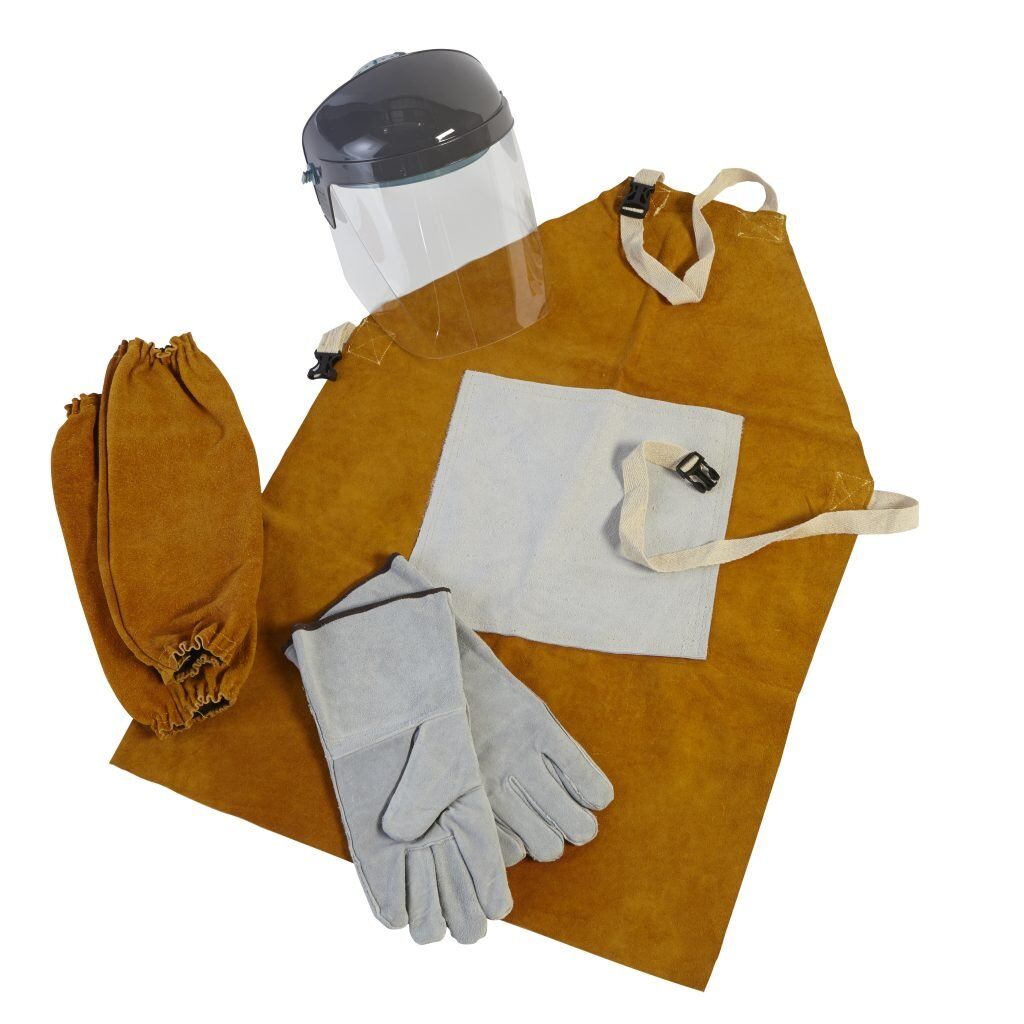
The Importance of PPE: All Equipment You Need to Stay Safe
Personal Protective Equipment (PPE) plays a crucial role in ensuring the safety and well-being of individuals across various industries. From construction sites to healthcare facilities, PPE is essential for protecting workers from potential hazards and risks.
PPE encompasses a wide range of equipment designed to provide protection against different types of hazards. This includes items such as:
- Protective Clothing: Including coveralls, high-visibility vests, and gloves to shield the body from physical and chemical hazards.
- Eye Protection: Safety glasses, goggles, or face shields that safeguard the eyes from debris, chemicals, or intense light.
- Hearing Protection: Earplugs or earmuffs that reduce exposure to loud noise levels that could cause hearing damage.
- Respiratory Protection: Masks or respirators that filter out harmful particles or gases in the air, ensuring safe breathing.
- Head Protection: Hard hats or helmets that protect the head from falling objects or impacts.
- Foot Protection: Safety boots or shoes with reinforced toes to prevent injuries from heavy objects or electrical hazards.
It is vital for employers to assess workplace risks and provide appropriate PPE to employees as part of their duty of care. Proper training on how to correctly use and maintain PPE is also essential to ensure its effectiveness.
By wearing the necessary PPE, individuals can significantly reduce their risk of injury or illness while performing their duties. Whether it’s in a hazardous environment or during a health crisis, having the right protective equipment can make all the difference in staying safe and healthy.
Remember, when it comes to safety at work or in any situation where risks are present, wearing PPE is not just a requirement – it’s a responsibility towards yourself and those around you.
8 Key Benefits of Personal Protective Equipment in the Workplace
- Provides essential protection against workplace hazards
- Reduces the risk of injuries and accidents
- Helps maintain a safe and healthy working environment
- Ensures compliance with health and safety regulations
- Can prevent exposure to harmful substances or environments
- Offers peace of mind for workers knowing they are protected
- Contributes to increased productivity by minimising downtime due to injuries
- Promotes a culture of safety awareness and responsibility
Challenges of PPE Usage: Comfort, Fit, Mobility, and Cost Concerns
- Some PPE can be uncomfortable to wear for extended periods, leading to potential discomfort or distraction for the wearer.
- Improperly fitted PPE may not provide adequate protection, leaving individuals vulnerable to risks and hazards.
- Certain types of PPE can restrict movement or impair visibility, affecting the wearer’s ability to perform tasks effectively.
- Regular maintenance and replacement of PPE can be costly, especially for businesses with a large workforce or high turnover rate.
Provides essential protection against workplace hazards
Personal Protective Equipment (PPE) serves as a critical safeguard against workplace hazards by providing essential protection to workers. Whether it’s shielding individuals from physical injuries, chemical exposures, airborne particles, or loud noises, the use of appropriate PPE ensures that employees can carry out their tasks with reduced risk of harm. By equipping workers with the necessary protective gear, employers demonstrate their commitment to creating a safe and secure working environment where employees can perform their duties confidently and effectively. The proactive implementation of PPE not only minimises the likelihood of accidents and injuries but also promotes a culture of safety and well-being in the workplace.
Reduces the risk of injuries and accidents
Utilising Personal Protective Equipment (PPE) across all equipment categories effectively reduces the likelihood of injuries and accidents in various work environments. By providing a physical barrier between individuals and potential hazards, such as sharp objects, harmful substances, or falling debris, PPE plays a crucial role in safeguarding workers from harm. This proactive measure not only enhances safety protocols but also promotes a culture of prevention and well-being within the workforce, ultimately contributing to a decrease in workplace incidents and ensuring a safer working environment for all.
Helps maintain a safe and healthy working environment
Personal Protective Equipment (PPE) serves as a critical tool in maintaining a safe and healthy working environment. By providing employees with the necessary protective gear, employers can significantly reduce the risk of accidents, injuries, and exposure to harmful substances in the workplace. PPE not only safeguards individuals from potential hazards but also promotes a culture of safety awareness and responsibility among workers. When everyone is equipped with the right PPE and follows proper safety protocols, it contributes to creating a work environment where health and well-being are prioritised, leading to increased productivity and morale among employees.
Ensures compliance with health and safety regulations
Ensuring compliance with health and safety regulations is a key benefit of using PPE equipment. By providing employees with the necessary protective gear, organisations demonstrate their commitment to maintaining a safe working environment in accordance with legal requirements. Properly implementing PPE not only safeguards individuals from potential hazards but also helps companies avoid costly fines and legal consequences associated with non-compliance. Prioritising health and safety through the use of appropriate PPE equipment not only protects workers but also upholds the integrity and reputation of the organisation as a responsible employer.
Can prevent exposure to harmful substances or environments
Personal Protective Equipment (PPE) serves as a crucial barrier that can prevent individuals from being exposed to harmful substances or environments. By wearing the appropriate PPE such as masks, gloves, and protective clothing, individuals can shield themselves from dangerous chemicals, toxins, infectious agents, or hazardous materials. This proactive measure not only safeguards their health and well-being but also minimises the risk of long-term health complications associated with exposure to harmful substances. Proper use of PPE is essential in creating a safer work environment and ensuring the protection of individuals in high-risk settings.
Offers peace of mind for workers knowing they are protected
Wearing Personal Protective Equipment (PPE) provides a valuable sense of reassurance for workers, offering them peace of mind in knowing that they are adequately protected from potential hazards and risks in the workplace. By donning the necessary protective gear, employees can focus on their tasks with greater confidence, knowing that their safety and well-being are prioritised. This peace of mind not only enhances productivity but also fosters a positive work environment where workers feel secure and supported in carrying out their responsibilities effectively.
Contributes to increased productivity by minimising downtime due to injuries
Personal Protective Equipment (PPE) plays a vital role in contributing to increased productivity by minimising downtime due to injuries. By providing employees with the necessary protective gear, organisations can significantly reduce the risk of accidents and injuries in the workplace. This proactive approach not only safeguards the well-being of workers but also ensures that operations run smoothly without disruptions caused by preventable incidents. When employees feel safe and protected with appropriate PPE, they can focus on their tasks with confidence, leading to a more efficient and productive work environment.
Promotes a culture of safety awareness and responsibility
Implementing Personal Protective Equipment (PPE) across all industries promotes a culture of safety awareness and responsibility among workers. By emphasising the importance of wearing appropriate PPE to mitigate risks and protect oneself, individuals become more conscious of their safety and that of their colleagues. This heightened awareness fosters a proactive approach towards maintaining a safe work environment, where everyone takes responsibility for their well-being. Ultimately, integrating PPE into daily routines instils a culture where safety is prioritised, leading to reduced accidents and improved overall workplace health and security.
Some PPE can be uncomfortable to wear for extended periods, leading to potential discomfort or distraction for the wearer.
Some Personal Protective Equipment (PPE) can pose a significant drawback as it may be uncomfortable to wear for prolonged periods. This discomfort can potentially distract the wearer, impacting their focus and overall performance. Whether it’s the tightness of a mask, the weight of protective gear, or the restriction of movement caused by certain equipment, the discomfort associated with wearing PPE can be a challenge for individuals who need to use it regularly. Finding a balance between safety and comfort is essential to ensure that PPE remains effective without compromising the well-being and productivity of the wearer.
Improperly fitted PPE may not provide adequate protection, leaving individuals vulnerable to risks and hazards.
When Personal Protective Equipment (PPE) is improperly fitted, it poses a significant con as it may fail to offer the necessary level of protection, leaving individuals exposed to risks and hazards. Ill-fitting PPE can compromise its effectiveness, allowing potential dangers to bypass the protective barriers and reach the wearer. Whether it’s loose gloves, poorly sealed masks, or oversized helmets, any gap or improper fit in PPE can render it ineffective in safeguarding against workplace hazards. Therefore, ensuring that PPE is correctly fitted and adjusted is crucial to maximising its protective capabilities and minimising the risks faced by individuals in various environments.
Certain types of PPE can restrict movement or impair visibility, affecting the wearer’s ability to perform tasks effectively.
Certain types of PPE, while vital for protection, can pose drawbacks such as restricting movement or impairing visibility. This limitation can hinder the wearer’s ability to perform tasks effectively and efficiently. For example, bulky protective clothing or goggles may limit the range of motion or obscure vision, potentially leading to accidents or errors in work execution. It is crucial for employers and individuals to carefully select PPE that strikes a balance between safety and practicality to ensure that protective gear does not impede the wearer’s performance in carrying out their responsibilities.
Regular maintenance and replacement of PPE can be costly, especially for businesses with a large workforce or high turnover rate.
Regular maintenance and replacement of Personal Protective Equipment (PPE) can pose a significant financial challenge, particularly for businesses with a substantial workforce or high turnover rate. The costs associated with inspecting, repairing, and replacing PPE items can quickly accumulate, impacting the budget of the organisation. Ensuring that all employees have access to properly maintained and up-to-date PPE is essential for their safety, but it requires a considerable investment of resources. Balancing the need for adequate protection with the financial implications of maintaining PPE is a common con that businesses must navigate to uphold workplace safety standards effectively.