
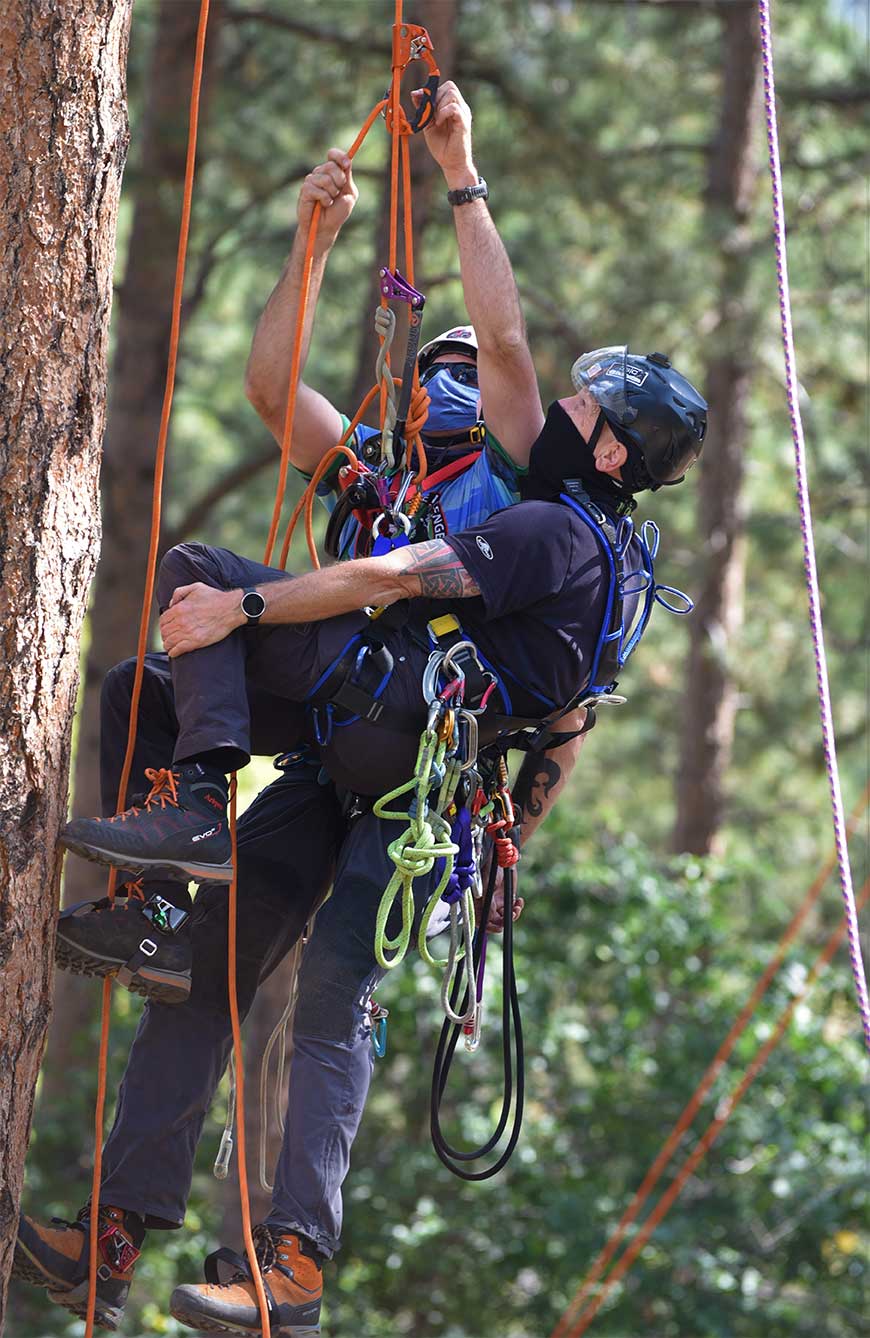
The Importance of a Fall Protection Competent Person
When it comes to workplace safety, particularly in industries where working at heights is common, having a designated Fall Protection Competent Person is crucial. This individual plays a vital role in ensuring that proper fall protection measures are in place to prevent accidents and injuries.
A Fall Protection Competent Person is someone who has the knowledge, training, and experience to identify fall hazards, assess risks, and implement control measures to protect workers at height. They are responsible for overseeing the planning, supervision, and execution of work at elevated locations to minimise the risk of falls.
One of the key responsibilities of a Fall Protection Competent Person is conducting thorough site assessments to identify potential fall hazards. This includes inspecting equipment such as guardrails, harnesses, lanyards, and anchor points to ensure they meet safety standards and are in good working condition.
In addition, the competent person must provide guidance on the selection and proper use of fall protection equipment based on the specific requirements of each job task. They also play a crucial role in training workers on how to use this equipment correctly and conduct regular inspections to ensure compliance.
Having a designated Fall Protection Competent Person not only helps prevent accidents but also ensures that legal requirements regarding fall protection are met. By proactively addressing fall hazards and promoting a culture of safety awareness, organisations can create a safer work environment for their employees.
In conclusion, the role of a Fall Protection Competent Person is essential in promoting workplace safety, especially in environments where working at heights poses significant risks. By investing in proper training and support for these individuals, organisations can effectively mitigate fall hazards and protect their workers from harm.
Seven Key Benefits of a Fall Protection Competent Person in Enhancing Workplace Safety
- Ensures proper identification of fall hazards in the workplace.
- Assesses risks associated with working at heights.
- Implements control measures to prevent falls and injuries.
- Oversees the planning and execution of work at elevated locations.
- Provides guidance on selecting and using fall protection equipment.
- Conducts regular inspections to maintain safety compliance.
- Promotes a culture of safety awareness among workers.
Challenges Faced by Fall Protection Competent Persons: Training, Workload, Expertise, Resistance, and Support Issues
- May require additional training and certification, adding to operational costs.
- Responsibilities can be demanding and time-consuming, leading to potential work overload.
- Difficulties in finding qualified individuals with the necessary expertise and experience.
- Potential resistance from workers who may view safety measures as hindrances to productivity.
- Inadequate support or resources from management can undermine the effectiveness of the Fall Protection Competent Person.
Ensures proper identification of fall hazards in the workplace.
Ensuring the proper identification of fall hazards in the workplace is a critical advantage of having a Fall Protection Competent Person. This skilled individual possesses the expertise to conduct thorough assessments and recognise potential risks associated with working at heights. By meticulously identifying these hazards, the competent person can implement targeted control measures to mitigate the risk of falls, thereby fostering a safer work environment for all employees. Their keen eye for detail and proactive approach to hazard identification play a pivotal role in preventing accidents and injuries related to falls, ultimately enhancing overall workplace safety standards.
Assesses risks associated with working at heights.
A crucial advantage of having a Fall Protection Competent Person in the workplace is their ability to assess risks associated with working at heights. By conducting thorough evaluations of elevated work areas, identifying potential fall hazards, and determining appropriate control measures, these competent individuals play a key role in ensuring the safety of workers who perform tasks at height. Their expertise in risk assessment helps mitigate potential dangers, prevent accidents, and create a secure environment for employees to carry out their duties with confidence and peace of mind.
Implements control measures to prevent falls and injuries.
A crucial advantage of having a Fall Protection Competent Person in the workplace is their ability to implement effective control measures to prevent falls and injuries. By conducting thorough risk assessments and identifying potential fall hazards, the competent person can proactively address safety concerns. They ensure that appropriate control measures, such as proper use of safety equipment and adherence to safety protocols, are in place to minimise the risk of falls. This proactive approach not only helps prevent accidents but also promotes a culture of safety awareness, ultimately creating a safer work environment for all employees.
Oversees the planning and execution of work at elevated locations.
The role of a Fall Protection Competent Person in overseeing the planning and execution of work at elevated locations is crucial for ensuring the safety of workers. By carefully assessing potential fall hazards, implementing appropriate control measures, and supervising work activities at height, the competent person plays a key role in minimising risks and preventing accidents. Their expertise in coordinating tasks, selecting suitable fall protection equipment, and providing guidance to workers helps create a secure working environment where proper safety protocols are followed to protect individuals from harm while working at elevated locations.
Provides guidance on selecting and using fall protection equipment.
One significant advantage of having a Fall Protection Competent Person in the workplace is their ability to provide expert guidance on selecting and using fall protection equipment. This ensures that the right safety gear is chosen for each job task, taking into account factors such as the height of the work area, potential fall hazards, and individual worker needs. By offering clear instructions on how to properly use this equipment, the competent person helps to enhance worker safety and reduce the risk of accidents or injuries related to falls. Their knowledge and expertise play a crucial role in ensuring that employees are equipped with the appropriate tools to carry out their tasks safely at elevated locations.
Conducts regular inspections to maintain safety compliance.
Ensuring workplace safety compliance is a critical aspect of the role of a Fall Protection Competent Person. By conducting regular inspections, this individual plays a key role in maintaining safety standards and preventing potential hazards. These inspections help identify any issues or deficiencies in fall protection equipment and systems, allowing for timely repairs or replacements to be made. By proactively monitoring and addressing safety compliance through regular inspections, the Fall Protection Competent Person helps create a safer work environment for all employees at risk of falls.
Promotes a culture of safety awareness among workers.
By promoting a culture of safety awareness among workers, a Fall Protection Competent Person plays a crucial role in fostering a work environment where safety is prioritised and valued. By consistently emphasising the importance of following proper fall protection protocols and procedures, this individual helps instil a mindset of vigilance and responsibility among employees. This proactive approach not only reduces the likelihood of accidents but also encourages workers to actively participate in maintaining a safe workplace for themselves and their colleagues. Ultimately, by championing safety awareness, the Fall Protection Competent Person contributes to creating a work culture where everyone is committed to upholding high standards of safety at all times.
May require additional training and certification, adding to operational costs.
One potential drawback of having a Fall Protection Competent Person in the workplace is that it may necessitate additional training and certification, leading to increased operational costs for the organisation. Ensuring that the designated individual possesses the necessary knowledge and expertise to effectively fulfil their role often requires investing in specialised training programmes and certifications. These expenses can add up, especially for smaller businesses or those operating on tight budgets. However, while the initial cost may be a concern, the long-term benefits of having a competent person overseeing fall protection measures and enhancing workplace safety can ultimately outweigh the financial implications.
Responsibilities can be demanding and time-consuming, leading to potential work overload.
One significant drawback of the role of a Fall Protection Competent Person is the demanding and time-consuming nature of the responsibilities involved, which can potentially lead to work overload. The need to conduct thorough site assessments, provide guidance on equipment selection and usage, deliver training sessions, and ensure compliance with safety regulations can be overwhelming for individuals in this position. Balancing these tasks alongside other job duties may result in increased stress levels and reduced effectiveness in managing fall protection measures effectively. This challenge highlights the importance of adequate support, resources, and training for Fall Protection Competent Persons to help them fulfil their responsibilities without experiencing burnout or compromising safety standards.
Difficulties in finding qualified individuals with the necessary expertise and experience.
One significant challenge associated with the role of a Fall Protection Competent Person is the difficulty in finding qualified individuals with the requisite expertise and experience. The responsibilities of this role demand a deep understanding of fall protection regulations, equipment, and risk assessment techniques. However, the pool of individuals with such specialised knowledge may be limited, making it challenging for organisations to identify and recruit suitable candidates. This shortage of qualified professionals can hinder efforts to ensure comprehensive fall protection measures are effectively implemented in the workplace, highlighting the importance of investing in training and development programmes to build a skilled workforce in this critical area of safety management.
Potential resistance from workers who may view safety measures as hindrances to productivity.
In some workplaces, a potential con of having a Fall Protection Competent Person could be the resistance from workers who perceive safety measures as obstacles to productivity. Some employees may view the implementation of stringent fall protection protocols as time-consuming or cumbersome, believing that it slows down their work processes and hampers efficiency. This resistance can lead to non-compliance with safety guidelines, putting themselves and others at risk of falls. It is crucial for organisations to address this issue by fostering a culture that emphasises the importance of safety without compromising productivity, highlighting that investing in fall protection measures ultimately safeguards both the well-being of workers and the overall effectiveness of operations.
Inadequate support or resources from management can undermine the effectiveness of the Fall Protection Competent Person.
Inadequate support or resources from management can severely undermine the effectiveness of the Fall Protection Competent Person within an organisation. Without the necessary backing from higher-ups, such as access to proper training, equipment, and budget allocations, the competent person may struggle to fulfil their role effectively. This lack of support can lead to gaps in fall protection measures, increased risks for workers at height, and overall compromised safety standards. When management fails to provide the necessary resources and encouragement for the competent person to carry out their duties successfully, it not only puts employees at risk but also hampers the organisation’s ability to maintain a safe working environment.