
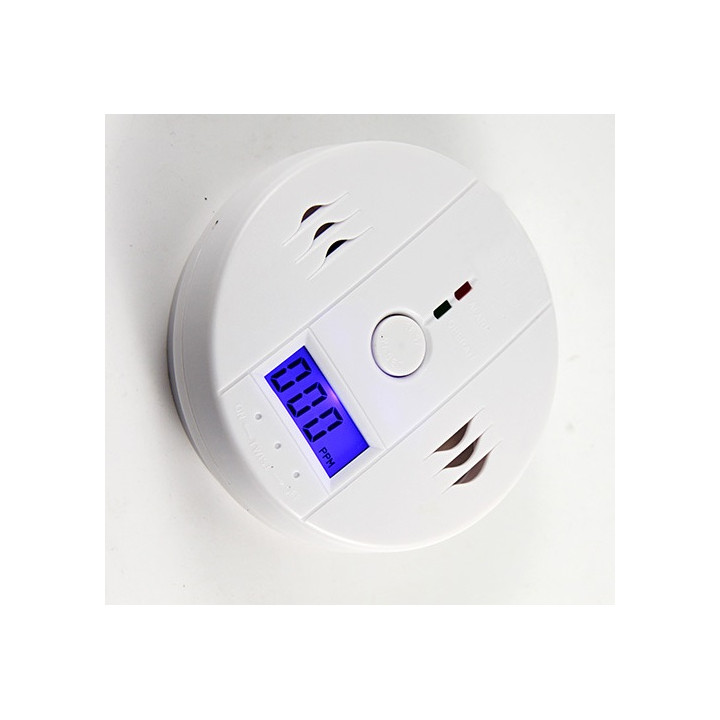
The Importance of a Carbon Monoxide Gas Sensor
Carbon monoxide (CO) is a silent killer. This colourless, odourless, and tasteless gas can be extremely dangerous if undetected. That’s where a carbon monoxide gas sensor comes in – a crucial device that can save lives by detecting the presence of this deadly gas.
Carbon monoxide is produced by the incomplete combustion of fuels such as gas, oil, coal, and wood. Common sources include gas appliances, boilers, furnaces, fireplaces, and car engines. Without a carbon monoxide detector, it is impossible to know if this poisonous gas is present in your home or workplace.
A carbon monoxide gas sensor works by continuously monitoring the air for any traces of CO. When elevated levels are detected, the sensor triggers an alarm to alert occupants of the potential danger. This early warning system provides valuable time for people to evacuate the premises and seek fresh air before CO reaches lethal concentrations.
Installing a carbon monoxide detector is not just a safety precaution – it’s a necessity. The symptoms of carbon monoxide poisoning are often mistaken for flu-like illnesses, making it difficult to diagnose without proper detection equipment. Headaches, dizziness, nausea, confusion, and fatigue are all signs of exposure to CO.
By having a carbon monoxide gas sensor in place, you can rest assured that you and your loved ones are protected from this invisible threat. Regular maintenance and testing of the sensor ensure its effectiveness in detecting any leaks or malfunctions in fuel-burning appliances.
Don’t underestimate the importance of a carbon monoxide detector. It’s a small device that can make a big difference in safeguarding your health and well-being. Invest in a reliable carbon monoxide gas sensor today – because when it comes to safety, prevention is key.
Seven Advantages of Carbon Monoxide Gas Sensors: Ensuring Safety and Peace of Mind
- Early detection of carbon monoxide leaks
- Provides a warning alarm to alert occupants
- Helps prevent carbon monoxide poisoning
- Ensures safety in homes and workplaces
- Easy to install and maintain
- Peace of mind knowing you are protected
- Can save lives by prompting timely evacuation
Challenges of Carbon Monoxide Gas Sensors: Cost, Maintenance, and False Alarms
- Initial cost of purchasing a carbon monoxide gas sensor may be a deterrent for some households on a tight budget.
- Carbon monoxide detectors require periodic maintenance, including battery replacements and sensor testing, which can be seen as an inconvenience by some users.
- False alarms triggered by factors such as dust, humidity, or other airborne particles can lead to unnecessary disruptions and concerns for occupants.
Early detection of carbon monoxide leaks
One significant advantage of a carbon monoxide gas sensor is its ability to provide early detection of carbon monoxide leaks. By continuously monitoring the air for any traces of this deadly gas, the sensor can alert occupants at the first sign of elevated levels. This early warning system allows people to take prompt action, evacuate the premises, and seek fresh air before CO reaches dangerous concentrations. Early detection not only saves lives but also prevents serious health complications associated with carbon monoxide poisoning. With a carbon monoxide gas sensor in place, you can have peace of mind knowing that you are proactively safeguarding against this silent threat.
Provides a warning alarm to alert occupants
One significant advantage of a carbon monoxide gas sensor is its ability to provide a warning alarm to alert occupants in the event of elevated CO levels. This feature is crucial in ensuring the safety of individuals by giving them timely notification of potential danger. The alarm serves as an early warning system, allowing people to take necessary precautions, evacuate the area, and seek help before CO reaches harmful concentrations. By alerting occupants promptly, a carbon monoxide gas sensor plays a vital role in preventing carbon monoxide poisoning and safeguarding lives.
Helps prevent carbon monoxide poisoning
A significant advantage of a carbon monoxide gas sensor is its ability to help prevent carbon monoxide poisoning. By continuously monitoring the air for elevated levels of this deadly gas, the sensor serves as an early warning system that alerts occupants to potential dangers. This proactive approach not only provides valuable time for evacuation and fresh air but also helps in avoiding the serious health risks associated with carbon monoxide exposure. Investing in a carbon monoxide gas sensor is a crucial step towards ensuring the safety and well-being of individuals in homes, workplaces, and other enclosed spaces.
Ensures safety in homes and workplaces
The presence of a carbon monoxide gas sensor ensures safety in homes and workplaces by providing an early warning system against the silent threat of CO poisoning. This proactive device continuously monitors the air for any traces of this deadly gas, alerting occupants to potential dangers before they escalate to hazardous levels. By detecting and signalling the presence of carbon monoxide, the sensor plays a crucial role in safeguarding the health and well-being of individuals, offering peace of mind and a vital layer of protection against this invisible but deadly hazard.
Easy to install and maintain
One significant advantage of a carbon monoxide gas sensor is its ease of installation and maintenance. Unlike complex safety systems, carbon monoxide detectors are designed to be user-friendly, allowing for straightforward setup in homes, workplaces, and other settings. With simple mounting options and clear instructions, anyone can install a carbon monoxide sensor without the need for professional assistance. Additionally, routine maintenance typically involves periodic testing to ensure proper functioning, making it convenient for users to keep their detector in optimal condition. This accessibility and simplicity contribute to the effectiveness of carbon monoxide gas sensors in providing reliable safety monitoring against this lethal gas.
Peace of mind knowing you are protected
Having a carbon monoxide gas sensor provides the invaluable benefit of peace of mind, knowing that you and your loved ones are protected from the dangers of this silent killer. With a reliable detector in place, you can rest assured that any presence of carbon monoxide will be swiftly detected, allowing for prompt action to ensure everyone’s safety. This sense of security and assurance that comes with a carbon monoxide gas sensor is truly priceless, offering a layer of protection that brings comfort and peace to your daily life.
Can save lives by prompting timely evacuation
One significant benefit of a carbon monoxide gas sensor is its ability to save lives by prompting timely evacuation. By detecting the presence of this deadly gas in the air, the sensor can alert occupants with an alarm, giving them crucial time to evacuate the premises and seek safety. This early warning system can prevent carbon monoxide poisoning and its potentially fatal consequences, ensuring that individuals are aware of the danger and can take necessary actions to protect themselves and their loved ones.
Initial cost of purchasing a carbon monoxide gas sensor may be a deterrent for some households on a tight budget.
The initial cost of purchasing a carbon monoxide gas sensor may pose a significant challenge for households operating on a tight budget. While the importance of having such a device for safety cannot be overstated, the upfront expense can be a deterrent for some families. However, it is crucial to consider the long-term benefits and potential life-saving impact of investing in a carbon monoxide detector, as the cost of prevention is far less than dealing with the consequences of exposure to this deadly gas. There are affordable options available in the market, and some local authorities or organisations may offer assistance programmes to help ensure that every home has access to this essential safety device.
Carbon monoxide detectors require periodic maintenance, including battery replacements and sensor testing, which can be seen as an inconvenience by some users.
One downside of carbon monoxide gas sensors is the need for regular maintenance, such as replacing batteries and testing sensors periodically. This ongoing upkeep can be viewed as an inconvenience by some users who may find it time-consuming or bothersome. However, it’s important to remember that this maintenance is essential for ensuring the proper functioning of the detector and the safety of occupants. By staying on top of these maintenance tasks, users can have peace of mind knowing that their carbon monoxide detector is ready to alert them to any potential dangers.
False alarms triggered by factors such as dust, humidity, or other airborne particles can lead to unnecessary disruptions and concerns for occupants.
False alarms triggered by factors such as dust, humidity, or other airborne particles can be a significant drawback of carbon monoxide gas sensors. These false alerts not only cause unnecessary disruptions but also create unwarranted concerns for occupants. When the sensor inaccurately detects elevated levels of carbon monoxide due to environmental factors rather than an actual threat, it can lead to confusion and anxiety among individuals relying on the device for their safety. Addressing and minimizing these false alarms through proper maintenance and calibration are essential to ensure that the carbon monoxide gas sensor functions effectively without causing undue alarm.