
The Importance of Carbon Monoxide Detectors in Every Home
Carbon monoxide (CO) is a silent killer that poses a serious threat to households. This colourless, odourless gas can be produced by faulty gas appliances, wood-burning stoves, and car engines. Without a carbon monoxide detector, it’s impossible to detect its presence until it’s too late.
Carbon monoxide poisoning can lead to symptoms such as headaches, dizziness, nausea, and even death. That’s why having a carbon monoxide detector in your home is crucial for your safety and the safety of your loved ones.
Carbon monoxide detectors work by alerting you when levels of CO in the air reach dangerous levels. They emit a loud alarm to warn you to evacuate the premises immediately and seek fresh air. By detecting CO early, you can take action to prevent poisoning and save lives.
It’s recommended to install carbon monoxide detectors on every level of your home, especially near bedrooms and sleeping areas. Regularly test the detectors to ensure they are functioning properly and replace the batteries as needed.
Remember, carbon monoxide poisoning can happen to anyone, so don’t take any chances. Invest in carbon monoxide detectors today and make your home a safer place for you and your family.
Essential FAQs About Carbon Monoxide Detectors: Understanding, Installation, Maintenance, and Safety
- What is a carbon monoxide detector?
- How does a carbon monoxide detector work?
- Where should I install a carbon monoxide detector in my home?
- How often should I test my carbon monoxide detector?
- What should I do if my carbon monoxide detector goes off?
What is a carbon monoxide detector?
A carbon monoxide detector is a crucial safety device designed to monitor and alert individuals to the presence of carbon monoxide gas in indoor environments. This colourless, odourless gas is produced by incomplete combustion of fuels such as gas, oil, wood, and coal. A carbon monoxide detector works by continuously monitoring the air for elevated levels of CO and emitting a loud alarm if dangerous concentrations are detected. By providing early warning of potential carbon monoxide leaks, these detectors play a vital role in safeguarding lives and preventing the harmful effects of CO poisoning. It is recommended to install carbon monoxide detectors in key areas of the home to ensure comprehensive protection for occupants.
How does a carbon monoxide detector work?
A carbon monoxide detector works by continuously monitoring the air for the presence of carbon monoxide gas. Inside the detector, there is a sensor that detects CO levels in the surrounding environment. When elevated levels of carbon monoxide are detected, the sensor triggers an alarm to alert occupants of potential danger. This early warning system is crucial in preventing carbon monoxide poisoning, as it gives residents the opportunity to evacuate the area and seek fresh air before serious harm occurs. Regular testing and maintenance of carbon monoxide detectors ensure their effectiveness in keeping homes safe from this silent but deadly gas.
Where should I install a carbon monoxide detector in my home?
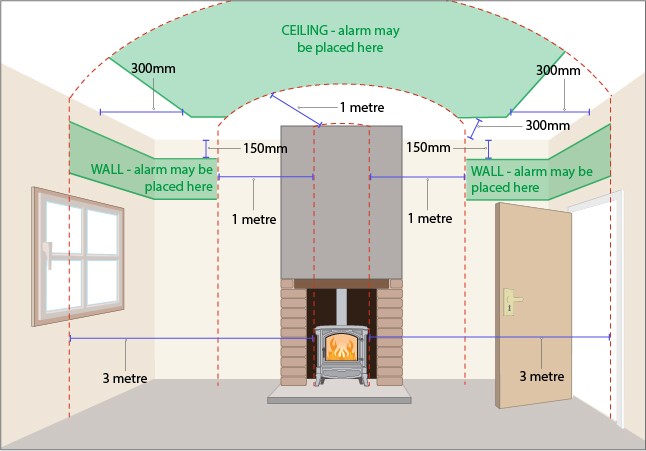
When it comes to installing a carbon monoxide detector in your home, placement is key to ensuring optimal safety. It is recommended to install a carbon monoxide detector on every level of your home, especially near bedrooms and sleeping areas. Additionally, placing a detector near sources of potential carbon monoxide leaks, such as gas appliances, wood-burning stoves, and attached garages, can provide early detection and warning in case of a CO leak. By strategically placing carbon monoxide detectors throughout your home, you can enhance your family’s safety and peace of mind against this silent but dangerous threat.
How often should I test my carbon monoxide detector?
Testing your carbon monoxide detector regularly is crucial for ensuring its effectiveness in keeping you safe from this silent killer. It is recommended to test your carbon monoxide detector at least once a month to make sure it is in proper working condition. Additionally, remember to replace the batteries in your carbon monoxide detector annually or as per the manufacturer’s instructions. By conducting regular tests and maintenance on your carbon monoxide detector, you can have peace of mind knowing that you are taking proactive steps to protect yourself and your loved ones from the dangers of carbon monoxide poisoning.
What should I do if my carbon monoxide detector goes off?
In the event that your carbon monoxide detector goes off, it is crucial to act swiftly and decisively. If you hear the alarm sounding, evacuate the premises immediately and move to a safe location outdoors. Do not ignore the alarm or assume it is a false alarm. Call emergency services and inform them of the situation, providing details about any symptoms you or others may be experiencing. Avoid re-entering the building until emergency responders have deemed it safe to do so. Remember, your safety and well-being are top priorities when dealing with a carbon monoxide alarm activation.