
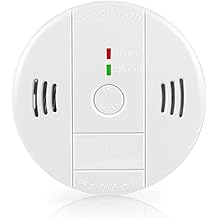
The Importance of Photoelectric Smoke and Carbon Monoxide Detectors
Photoelectric smoke and carbon monoxide detectors are essential devices for ensuring the safety of your home and family. These advanced detectors are designed to provide early warning signals in the event of a fire or the presence of deadly carbon monoxide gas.
Unlike traditional ionization smoke detectors, photoelectric detectors use a light beam to detect smoke particles in the air. This technology is highly effective at detecting smouldering fires, which can smoulder undetected for hours before erupting into flames. By providing early detection, photoelectric smoke detectors can give you and your family valuable time to evacuate safely in the event of a fire.
Carbon monoxide is a colourless, odourless gas that is produced by incomplete combustion of fuels such as gas, oil, wood, and coal. Exposure to high levels of carbon monoxide can be fatal. Carbon monoxide detectors are designed to alert you if dangerous levels of this gas are present in your home.
Combining both photoelectric smoke detection and carbon monoxide sensing capabilities into one device offers comprehensive protection for your home. These dual-function detectors provide round-the-clock monitoring for both fire and carbon monoxide hazards, giving you peace of mind knowing that you are well-equipped to respond to emergencies.
It is crucial to install photoelectric smoke and carbon monoxide detectors in key areas of your home, such as bedrooms, hallways, and near potential sources of carbon monoxide (e.g., gas appliances). Regularly test these devices to ensure they are functioning properly and replace batteries as needed.
Investing in photoelectric smoke and carbon monoxide detectors is an investment in the safety and well-being of your loved ones. Don’t wait until it’s too late – take proactive steps today to protect your home with these life-saving devices.
Essential FAQs on Photoelectric Smoke and Carbon Monoxide Detectors: Understanding, Functionality, Safety, Maintenance, and Installation
- What is a photoelectric smoke and carbon monoxide detector?
- How does a photoelectric smoke detector work?
- Why is early detection important in fire safety?
- What are the dangers of carbon monoxide gas?
- How should I maintain my photoelectric smoke and carbon monoxide detectors?
- Where should I install photoelectric smoke and carbon monoxide detectors in my home?
What is a photoelectric smoke and carbon monoxide detector?
A photoelectric smoke and carbon monoxide detector is a sophisticated safety device designed to provide early detection of both smoke particles from smouldering fires and deadly carbon monoxide gas. Unlike traditional ionization smoke detectors, photoelectric detectors use a light beam to detect smoke in the air, making them highly effective at alerting occupants to slow-burning fires. These detectors also feature carbon monoxide sensing capabilities to warn individuals of the presence of this odourless, toxic gas. By combining these two functions into one unit, photoelectric smoke and carbon monoxide detectors offer comprehensive protection for homes, ensuring that residents are promptly alerted to potential fire and carbon monoxide hazards.
How does a photoelectric smoke detector work?
A photoelectric smoke detector operates by utilizing a light beam to detect smoke particles in the air. When smoke enters the detector chamber, it scatters the light beam, triggering the sensor to activate the alarm. This technology is particularly effective at detecting smouldering fires, which produce more smoke and less heat compared to fast-flaming fires. By promptly sensing the presence of smoke particles, a photoelectric smoke detector provides early warning of potential fire hazards, allowing occupants to evacuate safely and swiftly in case of an emergency.
Why is early detection important in fire safety?
Early detection is crucial in fire safety for several key reasons. Detecting a fire at its earliest stages allows for prompt evacuation, giving occupants more time to escape safely before the situation escalates. Early warning signals from photoelectric smoke detectors can alert residents to the presence of smoke or fire before it spreads, providing valuable minutes that can make a life-saving difference. Additionally, early detection can help prevent significant property damage by enabling swift intervention from emergency services. By investing in reliable photoelectric smoke and carbon monoxide detectors, households can significantly enhance their preparedness and responsiveness in the event of a fire emergency.
What are the dangers of carbon monoxide gas?
Carbon monoxide gas poses a serious threat to human health and safety due to its colourless, odourless, and tasteless properties. When inhaled, carbon monoxide can quickly replace oxygen in the bloodstream, leading to carbon monoxide poisoning. Symptoms of exposure to carbon monoxide include headaches, dizziness, nausea, confusion, and even unconsciousness. Prolonged or high levels of exposure can be fatal. It is crucial to have carbon monoxide detectors installed in your home to provide early warning of this deadly gas and take immediate action to prevent harm to yourself and your loved ones.
How should I maintain my photoelectric smoke and carbon monoxide detectors?
Proper maintenance of your photoelectric smoke and carbon monoxide detectors is crucial to ensure their effectiveness in protecting your home and family. Regularly check the devices according to the manufacturer’s instructions, typically by pressing the test button to confirm that the alarm sounds. It is recommended to clean the detectors regularly by gently vacuuming or dusting them to prevent any obstructions that may affect their performance. Replace the batteries at least once a year or as soon as you hear a low-battery warning signal. Additionally, it is important to replace the detectors themselves according to the manufacturer’s recommended lifespan, usually every 5-10 years, to guarantee optimal functionality. By following these maintenance practices diligently, you can have peace of mind knowing that your photoelectric smoke and carbon monoxide detectors are in top working condition and ready to alert you in case of emergencies.
Where should I install photoelectric smoke and carbon monoxide detectors in my home?
When it comes to installing photoelectric smoke and carbon monoxide detectors in your home, strategic placement is key to ensuring maximum effectiveness. It is recommended to install these detectors on every level of your home, including inside bedrooms and outside sleeping areas. Additionally, place detectors near potential fire hazards such as kitchens and heating appliances. For carbon monoxide detection, install detectors near fuel-burning appliances like gas furnaces and water heaters. Remember to follow manufacturer’s guidelines for optimal placement and regularly test the detectors to ensure they are in good working condition. By strategically positioning photoelectric smoke and carbon monoxide detectors throughout your home, you can enhance the safety and protection of your household against potential hazards.