
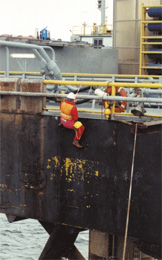
The Personal Descent Device: A Revolutionary Safety Tool
In the realm of safety equipment, the personal descent device stands out as a revolutionary tool that has transformed the way individuals approach emergency situations at height. Whether in industrial settings, recreational activities, or rescue operations, this compact and versatile device offers a reliable means of descending safely and swiftly to the ground.
Designed to provide a controlled descent in case of an emergency, the personal descent device is compact and lightweight, making it easy to carry and deploy when needed. Its intuitive design allows users to quickly attach themselves to an anchor point and initiate a controlled descent with minimal training or expertise required.
One of the key advantages of the personal descent device is its versatility. It can be used in a wide range of scenarios, including construction sites, high-rise buildings, cliffs, towers, and even trees. This flexibility makes it an essential piece of safety equipment for workers in various industries as well as outdoor enthusiasts who engage in activities such as rock climbing or caving.
Furthermore, the personal descent device offers peace of mind to individuals working at height by providing a reliable means of escape in case of an emergency. Its robust construction and adherence to strict safety standards ensure that users can trust this device to perform effectively when it matters most.
As technology continues to advance, new features and improvements are constantly being integrated into personal descent devices to enhance their safety and usability. From automatic braking systems to ergonomic designs that reduce user fatigue, these innovations aim to make descending from height as safe and efficient as possible.
In conclusion, the personal descent device represents a significant advancement in safety equipment that has transformed how individuals approach emergencies at height. Its portability, ease of use, versatility, and reliability make it an indispensable tool for anyone working or engaging in activities above ground level.
Understanding Personal Descent Devices: FAQs on Usage, Types, and Functions
- What is donut device?
- Can a descent control device be used as a method of self-rescue?
- How to use a descent control device?
- What is a self-rescue device?
- What is a descent device?
- What is a fall prevention device?
- How does a controlled descent device work?
What is donut device?
The term “donut device” is a common misconception or misinterpretation of the term “descender device” or “descent device” in the context of safety equipment used for controlled descents from height. A descent device, often referred to as a descender or rappel device, is a crucial tool designed to enable individuals to safely lower themselves down from elevated locations in a controlled manner. It is important to clarify this terminology to ensure proper understanding and usage of such vital safety equipment in various settings, including industrial work sites, rescue operations, and outdoor recreational activities.
Can a descent control device be used as a method of self-rescue?
When considering the question of whether a descent control device can be utilised as a method of self-rescue, it is important to understand that while these devices are primarily designed for controlled descent in emergency situations, they can also serve as a means of self-rescue in certain scenarios. Users must be adequately trained in the proper use of the device and understand its limitations to effectively employ it for self-rescue purposes. It is crucial to follow manufacturer guidelines and best practices to ensure a safe and successful self-rescue operation using a descent control device.
How to use a descent control device?
When it comes to using a descent control device, it is essential to follow the manufacturer’s instructions carefully to ensure safe and effective operation. Typically, the process involves attaching the device securely to an anchor point using a reliable connection system. Users should then familiarise themselves with the device’s controls, including how to initiate and control the descent speed. Proper training and practice are crucial to mastering the use of a descent control device, as well as understanding factors such as weight limits, rope compatibility, and emergency procedures. By adhering to best practices and guidelines, individuals can confidently utilise a descent control device for safe descents in various situations.
What is a self-rescue device?
A self-rescue device is a specialised tool designed to enable individuals to safely evacuate from elevated or confined spaces in emergency situations. This device allows users to independently initiate a controlled descent to the ground without relying on external assistance. By providing a reliable means of escape, a self-rescue device empowers individuals to take proactive measures to ensure their safety when faced with unforeseen circumstances such as equipment failure, injury, or hazardous conditions. Its intuitive design and ease of use make it a valuable asset for workers in high-risk environments and outdoor enthusiasts engaging in activities at height.
What is a descent device?
A descent device is a crucial safety tool designed to facilitate a controlled and safe descent from height in emergency situations. It typically consists of a compact and lightweight mechanism that allows individuals to attach themselves securely to an anchor point and initiate a controlled descent to the ground. These devices are essential for workers in various industries, climbers, rescue personnel, and anyone who may find themselves in need of a reliable means of descending from elevated locations. By providing a reliable method of escape, descent devices play a vital role in ensuring the safety and well-being of individuals operating at height.
What is a fall prevention device?
A fall prevention device is a crucial safety tool designed to reduce the risk of falls from height in various settings. Unlike a personal descent device, which aids in controlled descents, a fall prevention device works proactively to prevent falls from occurring in the first place. These devices typically include safety harnesses, lanyards, anchor points, guardrails, and other equipment that help secure individuals working at height and limit their potential for falling. By using fall prevention devices correctly and in conjunction with other safety measures, individuals can significantly enhance their safety while working or engaging in activities at elevated levels.
How does a controlled descent device work?
A controlled descent device operates by utilizing a combination of mechanical components to regulate the speed at which a person descends from height. Typically, the user attaches the device to an anchor point and adjusts the settings to control the descent speed based on their weight and environmental conditions. As the user begins their descent, the device’s braking mechanism engages to slow down or stop the descent as needed, providing a controlled and safe lowering to the ground. This mechanism ensures that individuals can descend smoothly and securely in emergency situations or during activities such as rope access work, rescue operations, or recreational climbing.