
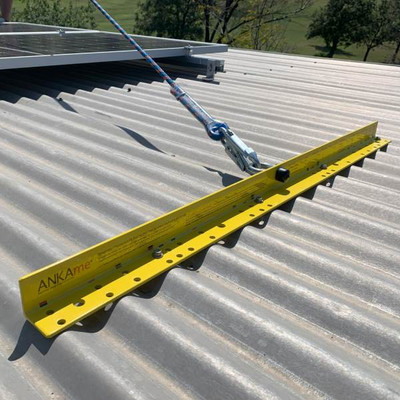
The Importance of Permanent Roof Harness Anchors for Workplace Safety
When it comes to ensuring the safety of workers who perform tasks at height, such as construction workers, roofers, and maintenance personnel, having a reliable fall protection system in place is crucial. One essential component of such a system is the permanent roof harness anchor.
A permanent roof harness anchor is a fixed point on a structure that provides a secure attachment for personal fall protection equipment, such as harnesses and lanyards. These anchors are typically installed during the construction phase of a building and are designed to withstand significant loads in the event of a fall.
One of the key benefits of permanent roof harness anchors is that they provide a consistent and reliable attachment point for workers at height. Unlike temporary anchors that may need to be repositioned or replaced frequently, permanent anchors offer peace of mind knowing that there is always a safe tie-off point available.
Furthermore, permanent roof harness anchors are designed to meet strict safety standards and regulations to ensure maximum protection for workers. They are often tested to withstand various forces and conditions to ensure their durability and reliability over time.
Employers have a legal responsibility to provide a safe working environment for their employees, especially when working at height. By installing permanent roof harness anchors, employers can demonstrate their commitment to workplace safety and reduce the risk of falls and injuries.
In conclusion, permanent roof harness anchors play a vital role in ensuring the safety of workers who perform tasks at height. By providing a secure attachment point for personal fall protection equipment, these anchors help minimise the risk of falls and accidents, ultimately creating a safer work environment for all.
Essential FAQs About Permanent Roof Harness Anchors for Workplace Safety
- 1. What is a permanent roof harness anchor?
- 2. Why are permanent roof harness anchors important for workplace safety?
- 3. How are permanent roof harness anchors installed?
- 4. What safety standards do permanent roof harness anchors need to meet?
- 5. What are the benefits of using permanent roof harness anchors over temporary ones?
1. What is a permanent roof harness anchor?
A permanent roof harness anchor is a fixed point installed on a structure to serve as a secure attachment for personal fall protection equipment, such as harnesses and lanyards. This essential component of a fall protection system provides workers who perform tasks at height, like construction workers and roofers, with a reliable tie-off point to prevent falls and ensure their safety. Permanent roof harness anchors are designed to meet stringent safety standards and regulations, offering durability and peace of mind by providing a consistent and stable attachment point for workers at elevated work sites.
2. Why are permanent roof harness anchors important for workplace safety?
Permanent roof harness anchors are crucial for workplace safety due to their role in providing a secure and reliable attachment point for personal fall protection equipment. These permanent anchors offer consistency and peace of mind to workers at height, ensuring that there is always a safe tie-off point available. By meeting strict safety standards and regulations, permanent roof harness anchors demonstrate a commitment to maximising worker protection and minimising the risk of falls and injuries. Employers have a legal responsibility to provide a safe working environment, and installing permanent roof harness anchors is a proactive measure towards fulfilling this obligation and creating a safer work environment for all employees.
3. How are permanent roof harness anchors installed?
When it comes to the installation of permanent roof harness anchors, it is essential to follow strict guidelines and procedures to ensure maximum safety and reliability. Typically, permanent roof harness anchors are installed during the construction phase of a building by trained professionals or certified installers. The installation process involves securely attaching the anchor to the structure using appropriate fasteners and ensuring that it can withstand the required loads in the event of a fall. Additionally, proper testing and certification may be conducted to verify that the anchor meets industry standards and regulations for fall protection. It is crucial to consult with experts in the field to ensure that permanent roof harness anchors are installed correctly and effectively for optimal workplace safety.
4. What safety standards do permanent roof harness anchors need to meet?
When it comes to permanent roof harness anchors, ensuring that they meet specific safety standards is paramount to guaranteeing the protection of workers at height. Permanent roof harness anchors must adhere to stringent regulations and guidelines set by relevant authorities, such as the Health and Safety Executive (HSE) in the UK. These safety standards typically include requirements for the design, installation, testing, and maintenance of the anchors to ensure their durability and reliability in withstanding forces associated with falls. By meeting these safety standards, permanent roof harness anchors provide employers and workers with confidence in their fall protection system’s effectiveness and compliance with legal requirements.
5. What are the benefits of using permanent roof harness anchors over temporary ones?
When considering the benefits of using permanent roof harness anchors over temporary ones, it becomes evident that permanency offers a range of advantages for workplace safety. Permanent roof harness anchors provide a consistent and reliable attachment point for workers at height, eliminating the need for frequent repositioning or replacement. These anchors are designed to meet stringent safety standards and regulations, ensuring maximum protection for workers in the event of a fall. By opting for permanent anchors, employers can demonstrate their commitment to providing a safe working environment and reduce the risk of falls and injuries among their workforce.