
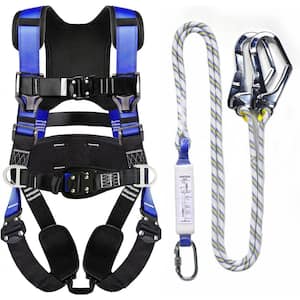
The Importance of Padded Safety Harnesses for Maximum Protection
When it comes to safety equipment, padded safety harnesses play a crucial role in providing maximum protection in various activities such as rock climbing, construction work, and aerial adventure courses. These harnesses are designed to distribute impact forces evenly across the body, reducing the risk of injury during falls or accidents.
The padding on safety harnesses serves multiple purposes. Firstly, it enhances comfort for the wearer, especially during prolonged use. The padding helps prevent chafing and discomfort that can occur when wearing a harness for extended periods.
Furthermore, the padding on safety harnesses can also provide additional protection in case of falls or impacts. The cushioning effect of the padding helps absorb some of the force, reducing the risk of injury to the wearer.
Another benefit of padded safety harnesses is their versatility. They can be adjusted to fit different body shapes and sizes comfortably, ensuring a secure and snug fit for each individual user. This customizability is essential for ensuring that the harness provides optimal protection in various situations.
It is important to choose a high-quality padded safety harness from a reputable manufacturer to ensure its reliability and effectiveness. Regular inspection and maintenance of the harness are also crucial to ensure its continued performance and safety.
In conclusion, padded safety harnesses are an essential piece of protective equipment that can make a significant difference in ensuring the safety of individuals engaged in high-risk activities. By providing comfort, impact absorption, and versatility, these harnesses offer maximum protection and peace of mind to users in various industries.
Essential FAQs on Padded Safety Harnesses: Standards, Top Choices, Styles, and Classes for Confined Spaces
- What is the OSHA standard for harnesses?
- What is the best full body harness?
- What are the two basic safety harness styles?
- What class harness is for confined space?
What is the OSHA standard for harnesses?
In the realm of padded safety harnesses, a commonly asked question pertains to the Occupational Safety and Health Administration (OSHA) standard for harnesses. OSHA, a regulatory body in the United States, sets forth guidelines and regulations to ensure workplace safety. Specifically regarding harnesses, OSHA requires that they meet certain criteria to provide adequate protection for workers at height. These standards typically include specifications on harness design, construction materials, weight capacity, fit testing procedures, inspection protocols, and proper usage guidelines. Adhering to the OSHA standard for harnesses is crucial in maintaining a safe work environment and reducing the risk of accidents or injuries during tasks performed at elevated heights.
What is the best full body harness?
When considering the best full body harness, it is essential to prioritise factors such as comfort, safety features, durability, and proper fit. The ideal full body harness should provide adequate padding for long-term wear, ensuring comfort during extended use. Additionally, it should incorporate reliable safety mechanisms to distribute impact forces evenly in case of falls or accidents. Durability is another key aspect to consider, as a high-quality harness should withstand rigorous use over time. Lastly, achieving a proper fit is crucial for ensuring maximum protection and comfort for the wearer. By carefully evaluating these factors, individuals can select the best full body harness that meets their specific safety needs and requirements.
What are the two basic safety harness styles?
There are two fundamental styles of safety harnesses commonly used: the full-body harness and the chest harness. The full-body harness is designed to distribute impact forces across the chest, shoulders, and legs in case of a fall, offering comprehensive protection for the wearer. On the other hand, the chest harness focuses primarily on securing the upper body and is often used in conjunction with a seat harness for specific activities like rock climbing or rappelling. Understanding the differences between these two basic safety harness styles is essential in choosing the most appropriate option based on the intended use and level of protection required.
What class harness is for confined space?
When considering the use of padded safety harnesses for confined spaces, it is important to select a harness that meets the specific safety requirements for such environments. In the case of confined spaces, it is recommended to use a Class III harness, which is designed to provide additional support and protection in potentially hazardous and restricted areas. Class III harnesses typically feature enhanced features such as additional padding, attachment points, and adjustability to ensure maximum safety and comfort for users operating in confined spaces. It is crucial to adhere to industry regulations and guidelines when selecting the appropriate safety harness for confined space work to mitigate risks and ensure optimal protection for individuals in these challenging environments.