
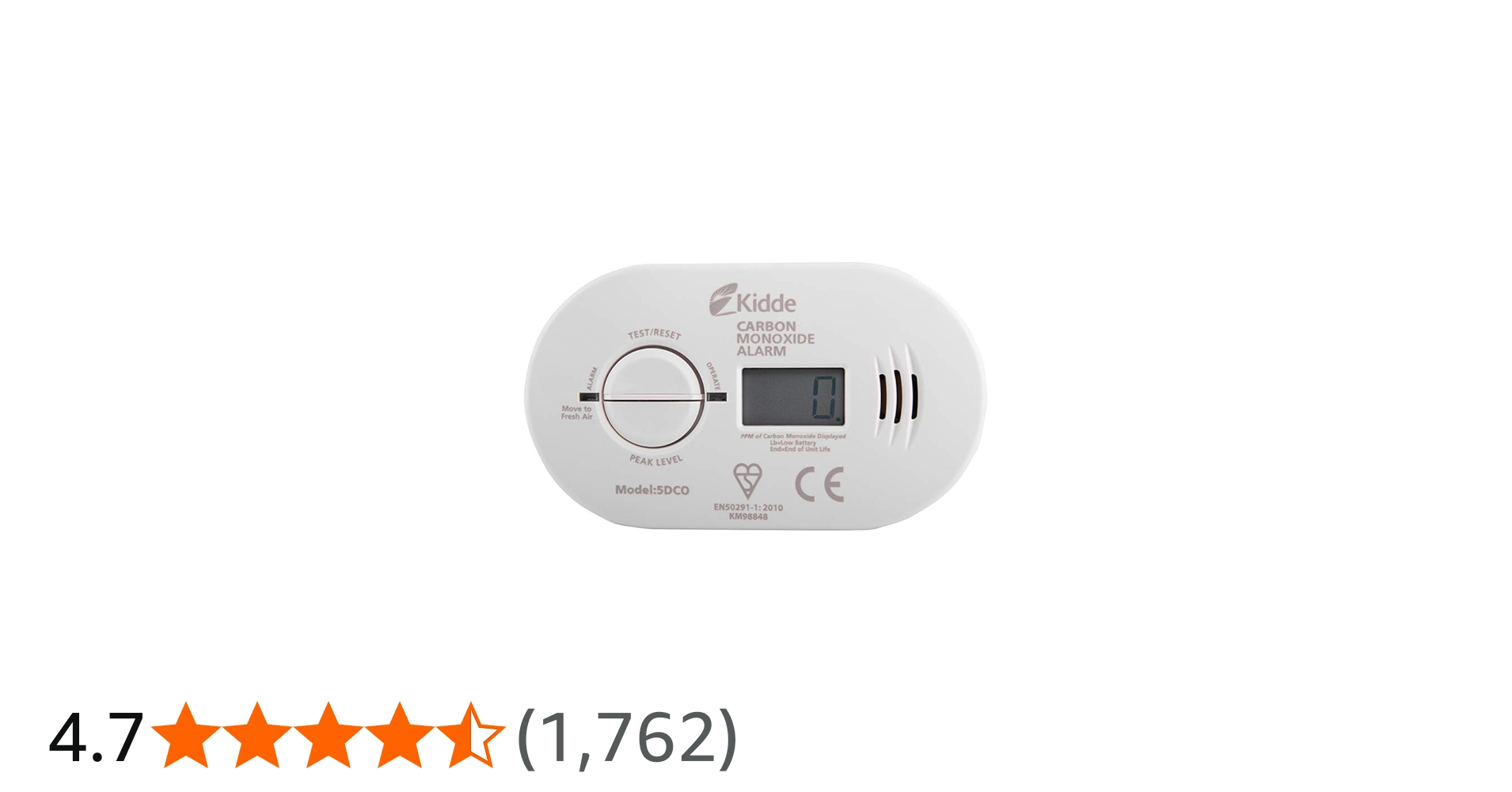
The Importance of a Nighthawk Smoke and Carbon Monoxide Alarm
Having a reliable smoke and carbon monoxide alarm is essential for safeguarding your home and your loved ones. The Nighthawk Smoke and Carbon Monoxide Alarm is a top-of-the-line device that offers advanced protection against two of the most common household hazards.
Equipped with cutting-edge technology, the Nighthawk alarm detects both smoke particles and carbon monoxide levels in the air. This dual-functionality ensures that you are alerted promptly in case of a fire or a carbon monoxide leak, allowing you to take immediate action to protect yourself and your family.
One of the key features of the Nighthawk alarm is its reliability and accuracy. It undergoes rigorous testing to meet industry standards and is designed to provide early detection of potential dangers. The alarm emits loud, unmistakable alerts that can wake you up even during deep sleep, giving you precious seconds to evacuate safely.
Furthermore, the Nighthawk Smoke and Carbon Monoxide Alarm is easy to install and maintain. With simple instructions and long-lasting battery life, you can have peace of mind knowing that your home is constantly monitored for any signs of smoke or carbon monoxide.
Don’t compromise on safety when it comes to your home. Invest in a Nighthawk Smoke and Carbon Monoxide Alarm today and ensure that you are prepared for any emergency situation that may arise.
Essential Tips for Effective Use of Nighthawk Smoke and Carbon Monoxide Alarms in Your Home
- Install a nighthawk smoke and carbon monoxide alarm on every level of your home.
- Place alarms near bedrooms and other sleeping areas for early detection.
- Test the alarms regularly to ensure they are functioning properly.
- Replace the batteries at least once a year or as recommended by the manufacturer.
- Keep the alarms clean from dust and debris to maintain their effectiveness.
- Know the different sounds for smoke and carbon monoxide alerts to react appropriately.
- Create an evacuation plan with your family in case the alarm goes off.
- Seek professional help if you are unsure about installation or maintenance of the alarms.
- Consider interconnected alarms for better coverage throughout your home.
Install a nighthawk smoke and carbon monoxide alarm on every level of your home.
To maximise the safety of your household, it is highly recommended to install a Nighthawk smoke and carbon monoxide alarm on every level of your home. By strategically placing these alarms throughout different floors, you can ensure comprehensive coverage and early detection of any potential fire or carbon monoxide threats. This proactive approach helps to safeguard your family and property effectively, providing peace of mind knowing that you are well-prepared for emergencies.
Place alarms near bedrooms and other sleeping areas for early detection.
For optimal protection and early detection of potential hazards, it is recommended to place your Nighthawk Smoke and Carbon Monoxide Alarms near bedrooms and other sleeping areas. By positioning the alarms in these key locations, you increase the chances of being alerted promptly in case of smoke or carbon monoxide presence while you and your family are asleep. This proactive approach ensures that you can quickly respond to any emergencies, enabling a swift and safe evacuation if needed. Prioritising placement near sleeping areas enhances the overall safety measures in your home, providing peace of mind knowing that you are well-prepared for any unforeseen circumstances.
Test the alarms regularly to ensure they are functioning properly.
It is crucial to regularly test your Nighthawk Smoke and Carbon Monoxide Alarm to verify that it is functioning correctly. By conducting routine tests, you can confirm that the alarm is operational and will provide timely alerts in the event of a fire or carbon monoxide leak. Regular testing helps maintain the reliability of the alarm, ensuring that it continues to safeguard your home and loved ones effectively. Make it a habit to test your Nighthawk alarm periodically to guarantee its proper functionality and enhance the safety of your living environment.
Replace the batteries at least once a year or as recommended by the manufacturer.
It is crucial to replace the batteries in your Nighthawk Smoke and Carbon Monoxide Alarm at least once a year or as advised by the manufacturer. Regularly changing the batteries ensures that your alarm remains in optimal working condition, ready to alert you to any potential smoke or carbon monoxide hazards. By following this simple maintenance tip, you can have peace of mind knowing that your alarm is always prepared to keep you and your loved ones safe.
Keep the alarms clean from dust and debris to maintain their effectiveness.
It is crucial to keep your Nighthawk Smoke and Carbon Monoxide Alarm clean from dust and debris to ensure its effectiveness. Dust and debris accumulation can hinder the alarm’s sensors, potentially leading to false alarms or reduced sensitivity. Regularly cleaning the alarm with a soft brush or vacuum attachment can help maintain its optimal performance, ensuring that it functions properly when detecting smoke or carbon monoxide in your home. By keeping the alarms clean, you can enhance their reliability and better protect your household from potential hazards.
Know the different sounds for smoke and carbon monoxide alerts to react appropriately.
It is crucial to familiarise yourself with the distinct sounds emitted by your Nighthawk Smoke and Carbon Monoxide Alarm for smoke and carbon monoxide alerts. By recognising these specific sounds, you can react promptly and appropriately in case of an emergency. Understanding the difference between the two alerts ensures that you can take the necessary actions to keep yourself and your loved ones safe. Stay vigilant and informed about the sounds of your alarm to respond effectively in critical situations.
Create an evacuation plan with your family in case the alarm goes off.
It is crucial to create an evacuation plan with your family in case the Nighthawk Smoke and Carbon Monoxide Alarm goes off. Sit down together and discuss the designated escape routes, meeting points outside the house, and emergency contacts to call. Practising this plan regularly ensures that everyone knows what to do in the event of an alarm, promoting a swift and coordinated response to keep everyone safe. By preparing in advance, you can effectively respond to emergencies and protect your loved ones when every second counts.
Seek professional help if you are unsure about installation or maintenance of the alarms.
It is crucial to seek professional help if you are unsure about the installation or maintenance of your Nighthawk Smoke and Carbon Monoxide Alarm. Proper installation ensures that the alarm functions effectively in detecting smoke and carbon monoxide, providing you with early warnings of potential dangers. By consulting experts for assistance, you can guarantee that your alarm is correctly set up and regularly maintained, giving you peace of mind and confidence in your home’s safety measures.
Consider interconnected alarms for better coverage throughout your home.
When it comes to ensuring comprehensive safety in your home, it is advisable to consider interconnected alarms, such as the Nighthawk Smoke and Carbon Monoxide Alarm. By linking multiple alarms throughout different areas of your home, you can enhance coverage and ensure that any detected smoke or carbon monoxide is promptly detected and alerted across the entire property. This interconnected system provides a higher level of protection, allowing you and your family to respond quickly and effectively to any potential hazards, no matter where they occur within your home.