
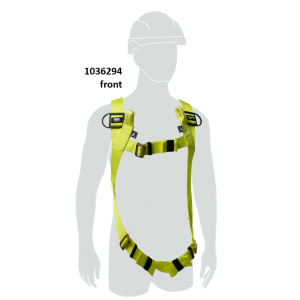
The Importance of Height Safety Harnesses
Working at heights can be a risky task, whether it’s on a construction site, a maintenance project, or any other elevated work environment. Ensuring the safety of workers in such situations is paramount, and one essential tool for this purpose is the height safety harness.
A height safety harness is a piece of equipment designed to prevent falls and protect workers in case of an accidental slip or trip when working at elevated heights. It consists of straps, buckles, and attachment points that are worn by the worker to secure them to an anchor point.
By wearing a height safety harness correctly and connecting it to a secure anchor point, workers can significantly reduce the risk of serious injuries or fatalities in the event of a fall. The harness distributes the force of impact across the body, reducing the chances of injury.
It is crucial for employers to provide proper training on how to use height safety harnesses correctly and ensure that workers understand the importance of wearing them at all times when working at heights. Regular inspections and maintenance of harnesses are also essential to guarantee their effectiveness.
Height safety harnesses come in various types and designs to suit different working environments and tasks. Choosing the right harness for specific job requirements is essential to maximise safety and comfort for workers.
In conclusion, height safety harnesses play a vital role in protecting workers from falls and injuries when working at heights. Employers must prioritise the use of these harnesses as part of their overall workplace safety measures to create a safer working environment for all employees.
Essential Tips for Ensuring Safety with Height Safety Harnesses
- Always inspect the harness before use for any signs of wear or damage.
- Ensure the harness fits properly and is adjusted according to manufacturer guidelines.
- Regularly check all buckles, straps, and D-rings for proper functioning and security.
- Make sure all connections are secure before working at height.
- Attend training on how to properly don and doff the harness for maximum safety.
- Avoid attaching multiple lanyards to a single D-ring on the harness.
- Store the harness in a clean, dry place away from sunlight when not in use.
- Replace the harness if it has been subjected to a fall or impact that could compromise its integrity.
- Follow all relevant safety regulations and guidelines when using a height safety harness.
Always inspect the harness before use for any signs of wear or damage.
Before using a height safety harness, it is crucial to conduct a thorough inspection for any signs of wear or damage. Checking the harness for frayed straps, broken buckles, or other issues is essential to ensure its reliability and effectiveness in preventing falls. By taking the time to inspect the harness before each use, workers can identify potential safety hazards and address them promptly, helping to maintain a safe working environment at heights.
Ensure the harness fits properly and is adjusted according to manufacturer guidelines.
It is crucial to ensure that the height safety harness fits properly and is adjusted according to the manufacturer’s guidelines. A properly fitted harness not only enhances comfort for the wearer but also plays a critical role in its effectiveness during an emergency. Following the manufacturer’s instructions for adjusting the harness ensures that it provides optimal support and protection in the event of a fall. Workers should take the time to adjust their harness correctly before starting any work at heights to minimise risks and maintain a safe working environment.
Regularly check all buckles, straps, and D-rings for proper functioning and security.
Regularly inspecting all buckles, straps, and D-rings on your height safety harness is crucial for ensuring proper functioning and security while working at elevated heights. By conducting routine checks, you can identify any signs of wear, damage, or defects that may compromise the integrity of the harness. Maintaining these components in good condition is essential to guaranteeing the effectiveness of the harness in preventing falls and protecting you in case of an accident. Remember, a small issue with a buckle or strap can have serious consequences, so it’s important to address any issues promptly to maintain a safe working environment.
Make sure all connections are secure before working at height.
Before undertaking any work at height, it is crucial to ensure that all connections on the height safety harness are securely fastened. This simple yet essential tip can make a significant difference in preventing accidents and falls. By double-checking that all attachments are properly secured and tightened, workers can greatly reduce the risk of potential hazards while working at elevated levels. Taking the time to verify the security of connections before starting any task demonstrates a commitment to safety and helps create a secure working environment for everyone involved.
Attend training on how to properly don and doff the harness for maximum safety.
It is essential to attend training on how to properly don and doff the height safety harness to ensure maximum safety while working at heights. Proper training will educate workers on the correct procedures for putting on (donning) and taking off (doffing) the harness, as well as how to secure it to an anchor point effectively. By following these guidelines, workers can significantly reduce the risk of falls and injuries, enhancing overall safety in elevated work environments.
Avoid attaching multiple lanyards to a single D-ring on the harness.
It is crucial to avoid attaching multiple lanyards to a single D-ring on the harness when working at heights. Doing so can compromise the integrity of the harness and increase the risk of accidents or falls. Each D-ring on the harness is designed to support a specific load, and overloading it with multiple lanyards can exceed its weight capacity, leading to potential failure. It is essential to follow manufacturer guidelines and use the harness as intended to ensure maximum safety and protection for workers at elevated heights.
Store the harness in a clean, dry place away from sunlight when not in use.
To maintain the integrity and effectiveness of your height safety harness, it is essential to store it in a clean, dry place away from direct sunlight when not in use. Storing the harness properly helps prevent damage caused by moisture, dust, or UV exposure, ensuring that it remains in optimal condition for when it is needed. By following this simple tip, you can prolong the lifespan of your height safety harness and ensure that it continues to provide reliable protection for workers at elevated heights.
Replace the harness if it has been subjected to a fall or impact that could compromise its integrity.
It is crucial to replace a height safety harness if it has been involved in a fall or impact that may have compromised its integrity. Even if the harness appears undamaged on the outside, internal structural damage could render it ineffective in protecting against future falls. Prioritising the safety of workers by promptly replacing a harness that has been subjected to such incidents is essential to ensure continued protection and reduce the risk of serious injuries in the workplace.
Follow all relevant safety regulations and guidelines when using a height safety harness.
It is crucial to adhere to all applicable safety regulations and guidelines when using a height safety harness. Following these regulations ensures that the harness is used correctly and effectively, reducing the risk of accidents or injuries when working at heights. By complying with safety standards, workers can enhance their safety and that of others around them, creating a secure working environment that prioritises accident prevention and employee well-being.