
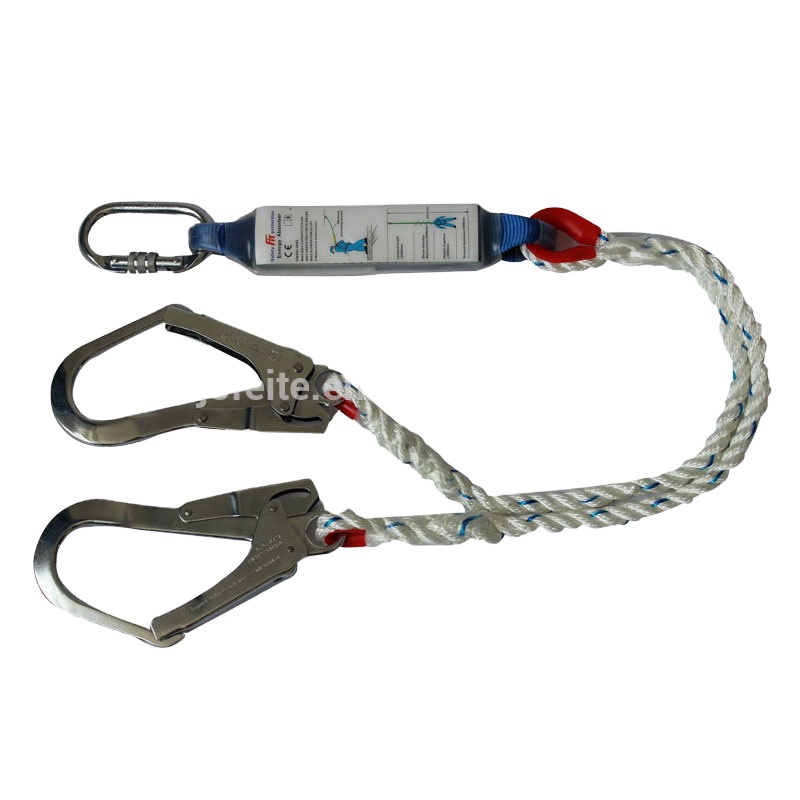
The Importance of a Harness with Shock Absorber for Safety
When it comes to working at heights or in risky environments, safety should always be the top priority. One essential piece of equipment that plays a crucial role in ensuring safety is a harness with a shock absorber.
A harness with a shock absorber is designed to protect workers in case of a fall. The shock absorber component is crucial because it helps dissipate the force generated during a fall, reducing the impact on the body and minimising the risk of serious injuries.
By using a harness with a shock absorber, workers can have peace of mind knowing that they have an added layer of protection while working at elevated heights or in challenging conditions. This safety equipment is particularly important in industries such as construction, maintenance, and rescue operations where falls can occur.
It is essential for employers to provide their workers with proper training on how to use harnesses with shock absorbers correctly. Regular inspections and maintenance of this equipment are also necessary to ensure that it remains in good working condition and can effectively protect workers when needed.
In conclusion, investing in high-quality harnesses with shock absorbers is an investment in the safety and well-being of workers. By prioritising safety and providing the right equipment, employers can create a safer work environment and prevent accidents that could result in serious injuries or even fatalities.
Enhancing Safety and Compliance: The Benefits of Shock Absorber Harnesses in High-Risk Work Environments
- 1. Enhances worker safety when working at heights or in risky environments.
- 2. Reduces the impact on the body in case of a fall, minimising the risk of serious injuries.
- 3. Provides an added layer of protection for workers in high-risk industries like construction and maintenance.
- 4. Gives workers peace of mind knowing they have reliable safety equipment to rely on.
- 5. Helps employers meet safety regulations and standards by providing necessary protective gear.
- 6. Proper training on harness usage with shock absorber can increase worker confidence and efficiency.
- 7. Regular inspections and maintenance ensure that the equipment remains effective and reliable over time.
Potential Drawbacks of Using Harnesses with Shock Absorbers in the Workplace
- May be bulky and restrictive, limiting movement in certain work environments.
- Require proper training for correct usage, which can be time-consuming and costly.
- Regular inspections and maintenance are necessary to ensure effectiveness, adding to maintenance costs.
- Some workers may find harnesses with shock absorbers uncomfortable to wear for extended periods.
- In the event of a fall, the shock absorber may need replacement, leading to downtime and additional expenses.
- Harnesses with shock absorbers may not be suitable for all types of work tasks or environments.
- Initial cost of purchasing high-quality harnesses with shock absorbers can be significant.
1. Enhances worker safety when working at heights or in risky environments.
A harness with a shock absorber significantly enhances worker safety when operating at elevated heights or in hazardous environments. This crucial piece of equipment acts as a protective barrier, effectively reducing the impact on the body in the event of a fall. By dissipating the force generated during a fall, the shock absorber minimises the risk of severe injuries, providing workers with added confidence and peace of mind while carrying out their tasks in challenging conditions.
2. Reduces the impact on the body in case of a fall, minimising the risk of serious injuries.
One significant advantage of using a harness with a shock absorber is its ability to reduce the impact on the body in the event of a fall, thereby minimising the risk of serious injuries. The shock absorber component of the harness plays a crucial role in dissipating the force generated during a fall, helping to cushion the impact on the wearer’s body. This feature is particularly important in high-risk environments where falls can occur, as it provides an added layer of protection that can significantly reduce the severity of injuries that may result from accidents. By incorporating a shock absorber into the harness design, workers can feel more confident and secure knowing that their safety is prioritised and that potential risks are mitigated effectively.
3. Provides an added layer of protection for workers in high-risk industries like construction and maintenance.
A harness with a shock absorber offers a significant advantage by providing an additional layer of protection for workers in high-risk industries such as construction and maintenance. In these demanding environments where falls are a potential hazard, the presence of a shock absorber in the harness helps mitigate the impact forces during a fall, reducing the risk of serious injuries and enhancing overall safety measures for workers operating at elevated heights or in challenging conditions.
4. Gives workers peace of mind knowing they have reliable safety equipment to rely on.
Having a harness with a shock absorber provides workers with peace of mind, knowing that they have reliable safety equipment to rely on in case of a fall. This assurance allows workers to focus on their tasks at hand without constantly worrying about potential risks, ultimately enhancing their confidence and productivity while working at heights or in hazardous environments.
5. Helps employers meet safety regulations and standards by providing necessary protective gear.
Employers can benefit significantly from harnesses with shock absorbers as they help meet safety regulations and standards by offering essential protective gear to their workers. By ensuring that employees are equipped with the necessary safety equipment, such as harnesses with shock absorbers, employers demonstrate their commitment to creating a safe work environment in compliance with regulatory requirements. Providing this protective gear not only safeguards workers from potential hazards but also helps companies uphold their legal obligations and responsibilities towards employee safety and well-being.
6. Proper training on harness usage with shock absorber can increase worker confidence and efficiency.
Proper training on the usage of harnesses with shock absorbers can significantly boost worker confidence and efficiency. By ensuring that workers are well-versed in how to correctly use this safety equipment, they are more likely to feel secure and empowered while working at heights or in risky environments. This increased confidence can lead to improved focus and productivity, as workers can concentrate on their tasks without unnecessary worry about their safety. Ultimately, investing in comprehensive training for harness usage with shock absorbers not only enhances worker confidence but also contributes to overall efficiency and effectiveness in the workplace.
7. Regular inspections and maintenance ensure that the equipment remains effective and reliable over time.
Regular inspections and maintenance of harnesses with shock absorbers are a crucial pro that ensures the equipment remains effective and reliable over time. By conducting routine checks and addressing any issues promptly, employers can prolong the lifespan of the harnesses, identify potential safety hazards, and prevent accidents before they occur. This proactive approach not only enhances workplace safety but also instils confidence in workers, knowing that they are using properly maintained equipment that will perform as intended in the event of a fall.
May be bulky and restrictive, limiting movement in certain work environments.
While harnesses with shock absorbers are crucial for fall protection, one significant drawback is that they can be bulky and restrictive, potentially limiting movement in certain work environments. The added components, such as the shock absorber and extra padding, may make the harness less comfortable to wear for extended periods and could impede agility and flexibility, especially in tight or confined spaces. Workers in industries requiring intricate movements or tasks that demand a high degree of mobility may find these harnesses cumbersome and restrictive, which could affect their productivity and overall comfort while working. Balancing safety requirements with practicality and comfort is essential to ensure that workers can perform their duties effectively without feeling overly encumbered by their safety equipment.
Require proper training for correct usage, which can be time-consuming and costly.
One significant drawback of harnesses with shock absorbers is that they require proper training for correct usage, which can be time-consuming and costly. Ensuring that workers are adequately trained in the proper fitting, adjustment, and inspection of these safety devices is essential to maximise their effectiveness in preventing injuries during falls. Employers must invest resources in providing comprehensive training programmes to ensure that workers understand how to use harnesses with shock absorbers correctly. This training process can take up valuable time and incur additional costs, making it a potential challenge for businesses looking to implement these safety measures efficiently.
Regular inspections and maintenance are necessary to ensure effectiveness, adding to maintenance costs.
Regular inspections and maintenance of harnesses with shock absorbers are essential to guarantee their effectiveness and ensure the safety of workers. However, this necessary upkeep adds to the overall maintenance costs for companies and organisations. The time and resources required to conduct thorough inspections, replace worn-out parts, and keep the equipment in optimal condition can contribute to increased expenses. Despite the additional costs, prioritising proper maintenance is crucial to prevent accidents and protect workers from potential risks associated with faulty or poorly maintained safety equipment.
Some workers may find harnesses with shock absorbers uncomfortable to wear for extended periods.
Some workers may find harnesses with shock absorbers uncomfortable to wear for extended periods. The added bulk and weight of the shock absorber component can lead to restricted movement and increased fatigue, especially during long hours of work. This discomfort may not only affect the wearer’s productivity but also potentially compromise safety if the worker is tempted to adjust or remove the harness while at height. It is crucial for employers to address these concerns by providing proper training on adjusting and wearing harnesses correctly, as well as exploring alternative equipment options that offer both comfort and safety for workers in challenging environments.
In the event of a fall, the shock absorber may need replacement, leading to downtime and additional expenses.
In the event of a fall, one significant drawback of using a harness with a shock absorber is the potential need for replacement. When the shock absorber component is activated during a fall to dissipate the impact force, it may become damaged or worn out, requiring immediate replacement. This necessity for replacement can result in downtime for the worker as the equipment is taken out of service for maintenance or replacement. Additionally, replacing the shock absorber incurs additional expenses for purchasing new parts or servicing the harness, adding to the overall cost of safety maintenance in the workplace.
Harnesses with shock absorbers may not be suitable for all types of work tasks or environments.
Harnesses with shock absorbers may not be suitable for all types of work tasks or environments. While these safety devices are highly effective in reducing the impact of falls in certain situations, they may not be the best option for every work scenario. In some cases, the design or bulkiness of harnesses with shock absorbers can restrict movement or make it challenging to perform specific tasks efficiently. Additionally, in environments with sharp edges or abrasive surfaces, the shock absorber component may wear out more quickly, compromising its effectiveness over time. It is important for employers to assess the specific requirements of each work task and environment to determine whether harnesses with shock absorbers are the most appropriate safety solution.
Initial cost of purchasing high-quality harnesses with shock absorbers can be significant.
The initial cost of purchasing high-quality harnesses with shock absorbers can be a significant drawback for businesses and individuals. While these safety equipment are crucial for protecting workers in hazardous environments, the upfront investment required to acquire top-tier harnesses with shock absorbers may pose a financial challenge. This cost factor can deter some organisations from prioritising safety or investing in the best possible protection for their workers. However, it is important to consider the long-term benefits and potential savings that come from ensuring worker safety and preventing costly accidents or injuries that could result from using lower-quality or inadequate safety equipment.