
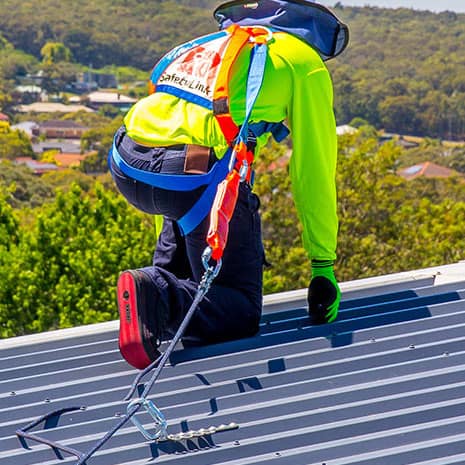
Roof safety is a critical consideration for anyone working at heights, whether it’s for construction, maintenance, or repairs. One essential component of a safe roof work environment is a harness roof anchor. A harness roof anchor is a device that provides a secure attachment point for workers wearing safety harnesses, allowing them to move around the roof while being safely tethered to prevent falls.
There are various types of harness roof anchors available, including permanent anchors that are installed directly onto the roof structure and temporary anchors that can be attached and removed as needed. Permanent anchors are typically used for long-term projects or in areas where regular access is required, while temporary anchors offer flexibility and mobility for shorter-term tasks.
When choosing a harness roof anchor, it’s essential to consider factors such as the type of roofing material, the weight capacity of the anchor, and compatibility with the safety harnesses being used. Proper installation and regular inspection of the anchor are also crucial to ensure its effectiveness and safety.
Using a harness roof anchor is not only a legal requirement in many jurisdictions but also a practical measure to protect workers from serious injuries or fatalities due to falls from height. By investing in high-quality harness roof anchors and providing proper training on their use, employers can create a safer working environment and prevent accidents on rooftops.
In conclusion, a harness roof anchor is an indispensable tool for ensuring worker safety when working at heights. By understanding its importance and using it correctly, workers can carry out their tasks with confidence and peace of mind knowing that they are protected from potential hazards.
Essential FAQs on Harness Roof Anchors for Safe Working at Heights
- What is a harness roof anchor?
- Why is a harness roof anchor important for working at heights?
- What are the different types of harness roof anchors available?
- How do you choose the right harness roof anchor for a specific roofing material?
- What is the weight capacity of a typical harness roof anchor?
- How should a harness roof anchor be installed properly to ensure safety?
- Why is regular inspection and maintenance of a harness roof anchor necessary?
What is a harness roof anchor?
A harness roof anchor is a crucial safety device designed to provide a secure attachment point for workers wearing safety harnesses while working at heights on rooftops. This anchor serves as a connection between the worker’s harness and the structure of the roof, allowing them to move around safely and confidently without the risk of falling. Harness roof anchors come in various types, including permanent and temporary options, each tailored to specific project needs. By using a harness roof anchor correctly, workers can significantly reduce the risk of accidents and injuries when working at elevated heights, ensuring a safer working environment for all involved.
Why is a harness roof anchor important for working at heights?
Working at heights poses significant risks, with falls being one of the leading causes of workplace accidents and injuries. A harness roof anchor is essential for working at heights as it provides a secure attachment point for safety harnesses, allowing workers to move around the roof while being safely tethered. This crucial piece of equipment helps prevent falls by keeping workers connected to a reliable anchor point, reducing the risk of serious injuries or fatalities. By using a harness roof anchor, workers can work confidently and efficiently at heights, knowing that they have a lifeline in place to protect them in case of an accidental slip or fall. Ultimately, the presence of a harness roof anchor is vital for ensuring the safety and well-being of individuals working on rooftops or elevated surfaces.
What are the different types of harness roof anchors available?
When it comes to harness roof anchors, there are several different types available to suit various needs and applications. Common types include permanent anchors that are installed directly onto the roof structure for long-term use, temporary anchors that can be attached and removed as needed for flexibility, and specialized anchors designed for specific roof materials or configurations. Each type of harness roof anchor has its own unique features and benefits, so it’s essential to choose the right one based on factors such as the type of roofing material, weight capacity requirements, and the nature of the work being performed at height. Proper selection and installation of the appropriate harness roof anchor are crucial to ensuring worker safety and compliance with safety regulations.
How do you choose the right harness roof anchor for a specific roofing material?
When selecting the appropriate harness roof anchor for a specific roofing material, it is crucial to consider several key factors to ensure optimal safety and effectiveness. Different roofing materials may require different types of anchors to provide a secure attachment point without causing damage or compromising the integrity of the roof. Factors such as the weight capacity of the anchor, compatibility with the safety harness being used, and the installation method suitable for the roofing material should all be taken into account. Consulting with roofing experts or manufacturers can help in identifying the right harness roof anchor that meets the specific requirements of the roofing material, ensuring a safe and reliable attachment point for workers at heights.
What is the weight capacity of a typical harness roof anchor?
The weight capacity of a typical harness roof anchor can vary depending on the specific model and design. In general, most harness roof anchors are designed to support a minimum weight capacity of 310 pounds (140 kilograms) to 440 pounds (200 kilograms). However, it is crucial to check the manufacturer’s specifications and guidelines for each anchor to ensure that it meets the required weight capacity for safe use. Choosing an anchor with the appropriate weight capacity is essential to ensure that it can effectively support the weight of the worker wearing a safety harness and prevent accidents or injuries while working at heights.
How should a harness roof anchor be installed properly to ensure safety?
Proper installation of a harness roof anchor is crucial to ensure the safety of workers at heights. To install a harness roof anchor correctly, it is essential to follow manufacturer guidelines and any relevant safety regulations. The anchor should be securely attached to a structurally sound part of the roof, such as rafters or trusses, using appropriate fasteners. Regular inspection and maintenance of the anchor are also important to ensure its integrity and reliability. Employers should provide training to workers on how to properly use and inspect the harness roof anchor to prevent accidents and ensure a safe working environment.
Why is regular inspection and maintenance of a harness roof anchor necessary?
Regular inspection and maintenance of a harness roof anchor is crucial for ensuring the safety of workers at heights. Over time, wear and tear, exposure to harsh weather conditions, and other factors can affect the integrity of the anchor, compromising its ability to securely support a worker in the event of a fall. By conducting routine inspections, any signs of damage or deterioration can be identified early on and addressed promptly to prevent accidents. Maintenance tasks such as cleaning, lubricating moving parts, and tightening connections can help prolong the lifespan of the anchor and ensure that it remains reliable and effective when needed. Ultimately, regular inspection and maintenance of a harness roof anchor are essential steps in upholding safety standards and protecting workers from potential risks while working at elevated levels.