
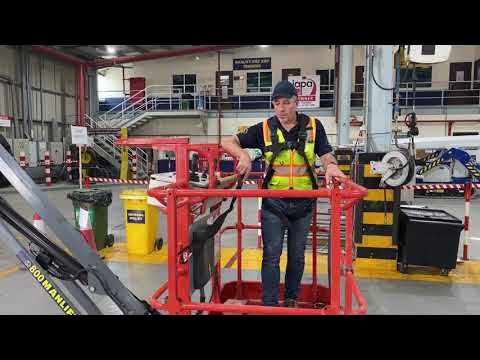
The Importance of Using a Harness on a Scissor Lift
Scissor lifts are commonly used in various industries for tasks that require working at heights. While scissor lifts provide a stable platform for workers to perform their duties, there are inherent risks associated with working at elevated heights. One crucial safety measure that should never be overlooked when operating a scissor lift is the use of a harness.
A harness is a vital piece of personal protective equipment (PPE) that can prevent serious injuries or fatalities in the event of a fall from the scissor lift platform. Even though scissor lifts are equipped with guardrails and other safety features, wearing a harness adds an extra layer of protection for workers.
When wearing a harness on a scissor lift, it should be properly fitted and secured to the designated anchor point on the platform. In the event of a fall, the harness will arrest the worker’s descent and prevent them from hitting the ground below. This can significantly reduce the risk of severe injuries or even death.
It is essential for all workers using scissor lifts to be trained on how to properly wear and use harnesses. Regular inspection and maintenance of harnesses are also crucial to ensure their effectiveness in an emergency situation. Employers should provide proper training, supervision, and equipment to ensure the safety of their workers.
In conclusion, using a harness on a scissor lift is not just a recommended practice – it is a critical safety measure that can save lives. By prioritising safety and adhering to proper procedures, workers can carry out their tasks confidently and securely while working at heights on scissor lifts.
Seven Advantages of Using a Harness on a Scissor Lift: Enhancing Safety and Compliance
- Enhances worker safety at heights
- Provides an additional layer of fall protection
- Reduces the risk of serious injuries or fatalities
- Ensures compliance with safety regulations and standards
- Increases worker confidence and peace of mind
- Allows workers to focus on their tasks without safety concerns
- Can be a lifesaving measure in the event of a fall
Challenges of Using Harnesses on Scissor Lifts: Addressing Movement Restrictions, Comfort, and Compliance
- Restricted movement and flexibility while working on the scissor lift.
- Potential discomfort or chafing from wearing the harness for extended periods.
- Additional time required for workers to properly don and adjust the harness.
- Risk of entanglement with the harness in machinery or equipment on the scissor lift.
- Possibility of incorrect fitting or securing of the harness leading to reduced effectiveness in case of a fall.
- Increased cost associated with purchasing, maintaining, and replacing harnesses for workers.
- Compliance issues if workers resist wearing or using the harness correctly.
Enhances worker safety at heights
Enhancing worker safety at heights, the use of a harness on a scissor lift provides an additional layer of protection for workers performing tasks at elevated levels. By wearing a harness properly secured to the designated anchor point on the platform, workers are safeguarded in the event of a fall, significantly reducing the risk of serious injuries or fatalities. This proactive safety measure not only instils confidence in workers but also underscores the importance of prioritising safety when working at heights on scissor lifts.
Provides an additional layer of fall protection
The use of a harness on a scissor lift provides an additional layer of fall protection, enhancing the safety measures already in place. In the event of a fall from the platform, the harness acts as a crucial safety net, preventing workers from hitting the ground below and reducing the risk of serious injuries or fatalities. By wearing a properly fitted harness and securing it to the designated anchor point, workers can work at elevated heights with added confidence and peace of mind, knowing that they have an extra level of protection in case of an emergency.
Reduces the risk of serious injuries or fatalities
Utilising a harness on a scissor lift significantly diminishes the likelihood of severe injuries or fatalities occurring in the event of a fall. By wearing a harness properly secured to the designated anchor point on the platform, workers are provided with an additional layer of protection that can prevent them from hitting the ground below. This proactive safety measure not only minimises the potential impact of accidents but also underscores the paramount importance of prioritising worker safety in all elevated work environments.
Ensures compliance with safety regulations and standards
Ensuring compliance with safety regulations and standards is a key benefit of using a harness on a scissor lift. By incorporating the use of harnesses into workplace practices, organisations demonstrate their commitment to upholding safety protocols and meeting regulatory requirements. Compliance with established safety standards not only safeguards the well-being of workers but also helps to create a culture of safety awareness and responsibility within the workplace. Harnesses on scissor lifts play a crucial role in aligning operations with industry regulations, promoting a safe working environment, and mitigating risks associated with working at heights.
Increases worker confidence and peace of mind
Using a harness on a scissor lift significantly boosts worker confidence and provides peace of mind. Knowing that they have an additional layer of protection in the form of a harness can empower workers to focus on their tasks without worrying about the risks associated with working at heights. This increased sense of security allows workers to carry out their duties more efficiently and effectively, ultimately contributing to a safer and more productive work environment.
Allows workers to focus on their tasks without safety concerns
The use of a harness on a scissor lift enables workers to concentrate on their tasks without being preoccupied by safety concerns. By providing an added layer of protection against falls, the harness instils a sense of security and peace of mind in workers, allowing them to focus on completing their work efficiently and effectively. With the assurance that they are safeguarded in the event of an accident, workers can dedicate their attention to the task at hand, leading to increased productivity and overall job satisfaction.
Can be a lifesaving measure in the event of a fall
Wearing a harness on a scissor lift can be a lifesaving measure in the event of a fall. The harness serves as a crucial safety device that can prevent serious injuries or fatalities by arresting the worker’s descent and preventing them from hitting the ground below. In situations where accidents happen, having a harness properly fitted and secured to the designated anchor point on the platform can make all the difference in ensuring the safety and well-being of workers at elevated heights. Prioritising the use of harnesses as a preventive measure underscores the commitment to creating a secure work environment where workers can operate confidently and with peace of mind.
Restricted movement and flexibility while working on the scissor lift.
One significant drawback of wearing a harness on a scissor lift is the restriction it imposes on the wearer’s movement and flexibility while carrying out tasks on the elevated platform. The presence of the harness and its tethering to the anchor point can limit the range of motion, making it more challenging for workers to reach certain areas or perform tasks that require agility and flexibility. This restriction may slow down productivity and efficiency, as workers may need to constantly adjust their movements to accommodate the harness, potentially impacting their ability to work comfortably and effectively at heights on a scissor lift.
Potential discomfort or chafing from wearing the harness for extended periods.
One notable drawback of wearing a harness on a scissor lift is the potential discomfort or chafing that can arise from prolonged use. Workers who are required to wear harnesses for extended periods may experience irritation or rubbing against their skin, leading to discomfort and possible chafing. This discomfort can not only be distracting but also impact the worker’s focus and productivity while working at heights. It is essential for employers to address this issue by providing well-fitted harnesses, offering padding or cushioning where necessary, and allowing for regular breaks to alleviate any discomfort caused by wearing the harness for long durations.
Additional time required for workers to properly don and adjust the harness.
One notable drawback of using a harness on a scissor lift is the additional time it takes for workers to properly don and adjust the harness. Putting on and adjusting a harness can be a time-consuming process, especially if workers are not familiar with the equipment or if the harness is not fitted correctly. This extra time spent on harness preparation may impact productivity and efficiency on the job site, leading to potential delays in completing tasks. However, despite this challenge, ensuring that workers take the necessary time to properly wear and adjust their harness is crucial for their safety when working at heights on a scissor lift.
Risk of entanglement with the harness in machinery or equipment on the scissor lift.
One significant drawback of using a harness on a scissor lift is the risk of entanglement with the harness in machinery or equipment on the scissor lift. In busy work environments where there are various tools and equipment present, the harness straps can potentially get caught or tangled in moving parts, leading to accidents or injuries. Workers must be cautious and vigilant to ensure that their harness is properly secured and that there are no loose straps that could pose a risk of entanglement with machinery. Proper training and awareness are essential to mitigate this con and ensure the safe use of harnesses on scissor lifts.
Possibility of incorrect fitting or securing of the harness leading to reduced effectiveness in case of a fall.
In the context of using a harness on a scissor lift, a significant drawback is the possibility of incorrect fitting or securing of the harness, which can ultimately diminish its effectiveness in case of a fall. If a harness is not properly adjusted to the worker’s body or if it is not securely fastened to the designated anchor point on the scissor lift platform, it may fail to function as intended during an emergency. This oversight can expose workers to increased risks and compromise their safety while working at heights. Regular training, supervision, and inspection are essential to ensure that harnesses are correctly worn and secured, mitigating the potential hazard posed by improper use.
Increased cost associated with purchasing, maintaining, and replacing harnesses for workers.
One significant drawback of using harnesses on scissor lifts is the increased cost incurred by companies in purchasing, maintaining, and replacing these safety equipment for their workers. Harnesses can be expensive to procure initially, and regular maintenance is required to ensure they remain in good working condition. Additionally, over time, harnesses may wear out or become damaged, necessitating replacements that can further add to the financial burden on employers. The ongoing costs associated with harnesses can strain company budgets and resources, making it a challenging con to navigate when prioritising worker safety alongside financial considerations.
Compliance issues if workers resist wearing or using the harness correctly.
One significant drawback of using a harness on a scissor lift is the potential compliance issues that may arise if workers resist wearing or using the harness correctly. Despite the importance of harnesses in ensuring worker safety at heights, some individuals may view them as cumbersome or restrictive. This resistance can lead to non-compliance with safety regulations, putting both the workers and the organisation at risk. Failure to wear or use the harness properly can compromise the effectiveness of safety measures and increase the likelihood of accidents or injuries on scissor lifts. Addressing and overcoming worker resistance through proper training, education, and enforcement of safety protocols is essential to mitigate compliance issues and maintain a safe working environment.