
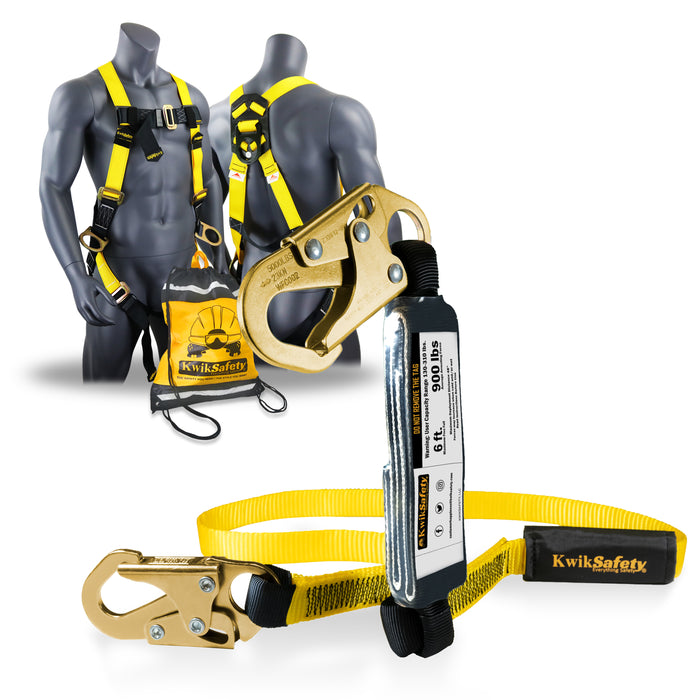
The Importance of Harness Lanyard as Personal Protective Equipment (PPE)
Personal Protective Equipment (PPE) plays a crucial role in ensuring the safety of workers in various industries. One essential piece of PPE that is widely used in many workplaces is the harness lanyard.
A harness lanyard is a vital tool designed to prevent falls and reduce the risk of serious injuries when working at heights. It is typically worn as part of a fall protection system and is attached to a secure anchor point to keep the worker safe and secure while working in elevated positions.
One of the key benefits of using a harness lanyard is that it provides workers with greater freedom of movement while ensuring their safety. The lanyard is adjustable and allows workers to perform their tasks comfortably without compromising on protection.
Furthermore, harness lanyards are designed to distribute the force of a fall across the body, reducing the impact on specific areas and minimising the risk of injury. This feature makes them an effective safeguard against accidents that can occur when working at heights.
Employers have a responsibility to provide appropriate PPE, including harness lanyards, to their workers who are exposed to fall hazards. Regular inspection and maintenance of harness lanyards are also essential to ensure their effectiveness and reliability.
In conclusion, harness lanyards play a critical role in protecting workers from falls and ensuring their safety in high-risk work environments. By investing in quality PPE such as harness lanyards and providing proper training on their use, employers can create a safer workplace for their employees.
Understanding Harness and Lanyard PPE: Key Questions Answered
- What is the difference between a lanyard and a harness?
- What is a lanyard on a safety harness?
- What are the 5 points of a harness?
- What is harness in PPE?
- What is the purpose of PPE for a harness and lanyard?
- What is a lanyard PPE?
- Is a harness and lanyard PPE?
- When must you wear a full body harness and lanyard?
What is the difference between a lanyard and a harness?
When discussing personal protective equipment (PPE) for working at heights, a common question that arises is: What is the difference between a lanyard and a harness? While both are essential components of fall protection systems, they serve distinct purposes. A lanyard is a length of rope or strap that typically connects the worker’s harness to an anchor point, providing limited movement and preventing falls. On the other hand, a harness is a full-body system that secures around the worker’s torso and shoulders, distributing force in the event of a fall and offering greater support and protection. Understanding the roles and functionalities of both lanyards and harnesses is crucial for ensuring proper usage and maximising safety in elevated work environments.
What is a lanyard on a safety harness?
A lanyard on a safety harness is a crucial component designed to enhance the protection of individuals working at heights or in elevated environments. The lanyard is a connecting device that attaches the wearer’s harness to a secure anchor point, ensuring that in the event of a fall, the impact is minimised, and the individual is prevented from hitting the ground. Essentially, the lanyard acts as a lifeline, providing support and security to workers while allowing them to move freely and perform their tasks with confidence and peace of mind. Understanding the importance and proper use of a lanyard on a safety harness is essential for maintaining workplace safety standards and preventing accidents.
What are the 5 points of a harness?
When it comes to harness lanyards as part of personal protective equipment (PPE), understanding the key components is essential for ensuring proper usage and safety. The 5 points of a harness refer to the critical attachment points that secure the harness to the wearer. These points typically include two shoulder straps, two leg straps, and a dorsal attachment point at the back. Each point is strategically positioned to distribute forces evenly in the event of a fall, providing maximum protection and comfort for the wearer while working at heights. Familiarising oneself with these 5 points is crucial for proper fitting and usage of a harness lanyard in various work environments.
What is harness in PPE?
In the realm of Personal Protective Equipment (PPE), a harness serves as a fundamental component designed to enhance worker safety, particularly in environments where falls are a potential hazard. A harness in PPE refers to a piece of equipment worn by individuals working at heights or in elevated positions to prevent falls and mitigate the risk of serious injuries. It typically consists of straps, buckles, and attachment points that secure the wearer to an anchor point, providing stability and support while allowing for freedom of movement. Harnesses are essential in fall protection systems and play a crucial role in safeguarding workers from potential dangers, making them an indispensable tool in ensuring workplace safety.
What is the purpose of PPE for a harness and lanyard?
Personal Protective Equipment (PPE) for a harness and lanyard serves a crucial purpose in ensuring the safety of workers, particularly those who are required to work at heights or in elevated positions. The primary goal of PPE such as harnesses and lanyards is to prevent falls and reduce the risk of serious injuries in the event of an accident. By securely attaching the harness and lanyard to a stable anchor point, workers are provided with a reliable means of protection that allows them to perform their tasks with greater confidence and security. The design of these PPE items is specifically geared towards distributing the force of a fall across the body, thereby minimising the impact on critical areas and enhancing overall safety while working at heights.
What is a lanyard PPE?
A lanyard PPE, also known as a harness lanyard, is a crucial piece of Personal Protective Equipment (PPE) designed to enhance worker safety, particularly when working at heights. It is a flexible line or strap that connects a full-body harness to an anchor point, providing fall protection and preventing serious injuries in the event of a fall. The lanyard is adjustable to allow for freedom of movement while maintaining security, and it helps distribute the force of a fall across the body to minimise injury risk. Employers must ensure that workers understand the importance of using lanyard PPE correctly and provide appropriate training on its use to maintain a safe working environment.
Is a harness and lanyard PPE?
Yes, a harness and lanyard are considered Personal Protective Equipment (PPE). A harness and lanyard form an essential part of fall protection systems in various industries where working at heights is common. The harness is worn by the worker to provide support and attachment points for the lanyard, which is connected to a secure anchor point. Together, they help prevent falls and reduce the risk of serious injuries. Employers are responsible for providing appropriate PPE, including harnesses and lanyards, to ensure the safety of their workers in high-risk environments.
When must you wear a full body harness and lanyard?
It is essential to wear a full-body harness and lanyard whenever there is a risk of falling from a height. Whether working on elevated platforms, scaffolding, roofs, or any other elevated surface where the potential for a fall exists, wearing a full-body harness and lanyard is crucial for personal safety. These safety devices provide vital protection by securing the wearer in case of a fall, distributing the impact forces across the body to reduce the risk of serious injuries. Therefore, it is important to always adhere to safety regulations and wear a full-body harness and lanyard whenever working at heights to minimise the risk of falls and ensure a safe working environment.