
The Importance of Harness and Fall Arrest Systems in Workplace Safety
When it comes to working at heights, safety is paramount. Harness and fall arrest systems play a crucial role in ensuring the protection of workers who are exposed to fall hazards. These systems are designed to prevent falls and minimize the risk of serious injuries or fatalities in the workplace.
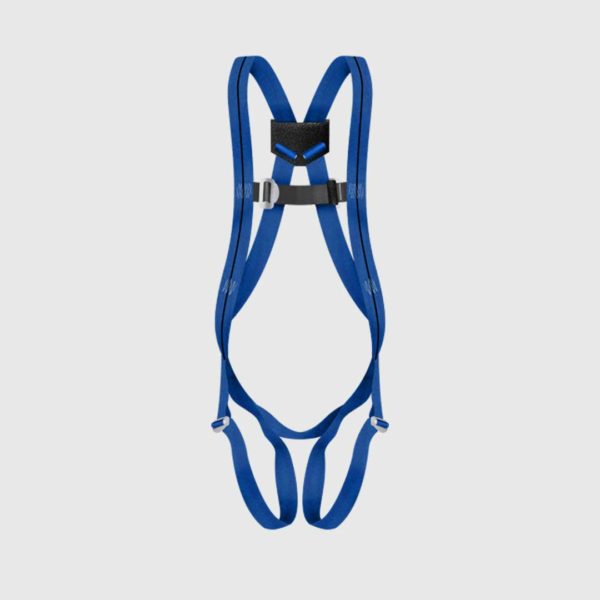
A harness is a piece of personal protective equipment that is worn by workers to provide support and protection in case of a fall. It consists of straps, buckles, and attachment points that secure the worker to an anchorage point. Harnesses distribute the force of a fall across the body, reducing the impact on any one part and preventing serious injuries.
Complementing the harness is the fall arrest system, which includes components such as lanyards, lifelines, and anchor points. In the event of a fall, the fall arrest system activates to stop the worker’s descent before they hit the ground or another lower level. This rapid response prevents injury by limiting the distance fallen and absorbing energy from the fall.
Employers have a legal responsibility to provide appropriate fall protection equipment, including harnesses and fall arrest systems, for employees working at heights. Regular training on how to properly wear and use this equipment is also essential to ensure its effectiveness in an emergency situation.
By investing in quality harnesses and fall arrest systems, companies demonstrate their commitment to prioritising employee safety. These measures not only protect workers from harm but also contribute to a positive work environment where employees feel valued and supported.
In conclusion, harnesses and fall arrest systems are indispensable tools for safeguarding workers at height. By implementing these safety measures effectively, employers can create a secure workplace where employees can carry out their duties with confidence and peace of mind.
Understanding Harnesses and Fall Arrest Systems: Key Differences and FAQs
- What are the three types of harnesses?
- What are the 3 types of harnesses?
- Is a harness a fall arrest or restraint?
- What is the difference between fall arrest and fall restrain?
- What is a fall arrest harness?
- What is the difference between a fall arrest system and a safety harness?
- What is the purpose of harness?
What are the three types of harnesses?
When it comes to harnesses used in fall arrest systems, there are generally three main types: full-body harnesses, chest harnesses, and positioning harnesses. Full-body harnesses are the most common and provide support across the chest, shoulders, and legs, distributing the force of a fall evenly. Chest harnesses focus on upper body support and are often used in conjunction with a full-body harness for added security. Positioning harnesses are designed for work positioning rather than fall arrest and feature additional attachment points for tools or equipment. Understanding the differences between these types of harnesses is crucial in selecting the appropriate one for specific working conditions to ensure maximum safety and effectiveness.
What are the 3 types of harnesses?
When it comes to harnesses used in fall arrest systems, there are generally three main types: full-body harnesses, chest harnesses, and safety belt harnesses. Full-body harnesses are the most common type and provide support across the chest, shoulders, and legs to distribute the force of a fall evenly. Chest harnesses focus on upper body support and are often used in conjunction with a full-body harness for added security. Safety belt harnesses are more lightweight and offer limited protection, typically used in situations where a full-body harness may be cumbersome. Choosing the right type of harness depends on the specific working environment and requirements to ensure optimal safety for workers at heights.
Is a harness a fall arrest or restraint?
In the realm of workplace safety, it’s important to clarify the distinction between a harness as a fall arrest or restraint device. A harness primarily serves as a fall arrest system, designed to protect workers in the event of a fall by safely arresting their descent and reducing the impact of the fall. On the other hand, a restraint system is intended to prevent falls altogether by restricting movement within a designated work area. Understanding this difference is crucial for employers and workers to ensure that the appropriate equipment is selected and used correctly to mitigate fall hazards effectively.
What is the difference between fall arrest and fall restrain?
When it comes to working at heights, understanding the difference between fall arrest and fall restraint is crucial for ensuring proper safety measures. Fall arrest systems are designed to stop a worker’s fall after it has occurred, minimizing the impact and preventing serious injuries. On the other hand, fall restraint systems are intended to prevent a worker from reaching a fall hazard altogether, keeping them safe by restricting their movement within a safe area. Both systems play vital roles in protecting workers at height, with fall arrest providing protection during a fall and fall restraint proactively preventing falls from happening in the first place. It is essential for employers and workers to be aware of these distinctions and implement the appropriate system based on the specific requirements of the job at hand.
What is a fall arrest harness?
A fall arrest harness is a critical piece of personal protective equipment designed to protect workers at height from the dangers of falls. It is a system that consists of straps, buckles, and attachment points that secure the wearer to an anchorage point. In the event of a fall, the fall arrest harness distributes the force of impact across the body, reducing the risk of serious injury or fatality. By wearing a fall arrest harness correctly and connecting it to a reliable anchor point, workers can work at heights with confidence, knowing that they have an effective safety measure in place to prevent falls and keep them safe.
What is the difference between a fall arrest system and a safety harness?
A common query regarding harness and fall arrest systems is the distinction between a fall arrest system and a safety harness. While a safety harness is a piece of personal protective equipment worn by workers to secure them in place, a fall arrest system encompasses a broader range of components, including lanyards, lifelines, and anchor points. The primary function of a safety harness is to provide support and distribute the force of a fall across the body, while a fall arrest system activates in the event of a fall to stop the worker’s descent and prevent injury by limiting the distance fallen. Understanding this difference is crucial for ensuring proper usage and maximising safety in work environments where fall hazards exist.
What is the purpose of harness?
The purpose of a harness is to provide essential support and protection for workers at height, particularly in environments where there is a risk of falling. By securely fastening around the body with straps and buckles, a harness ensures that a worker remains connected to an anchorage point. In the event of a fall, the harness distributes the force across the body, reducing the impact on any one area and helping to prevent serious injuries. Ultimately, the primary goal of a harness is to enhance workplace safety by offering a reliable means of fall arrest and ensuring that individuals working at heights can carry out their duties with confidence and peace of mind.