
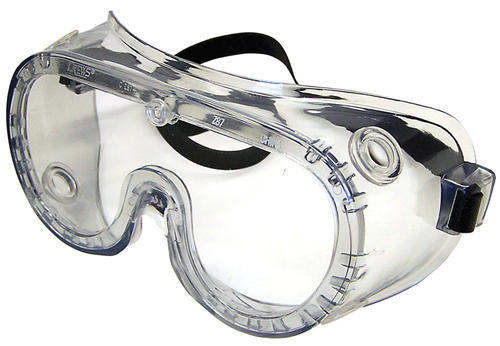
The Importance of Goggles for Chemical Protection
When working with chemicals, protecting your eyes is paramount. Exposure to hazardous chemicals can cause severe eye injuries and long-term damage. This is why wearing goggles specifically designed for chemical protection is crucial in any workplace where such risks are present.
Chemical goggles provide a secure shield that covers your eyes completely, forming a protective barrier against splashes, fumes, and other harmful substances. Unlike regular safety glasses, chemical goggles have a tighter seal to prevent any liquids or vapours from reaching your eyes.
These specialised goggles are made from durable materials that are resistant to a wide range of chemicals. They are designed to withstand corrosive substances and provide clear visibility while working in potentially hazardous environments.
It’s important to choose the right type of goggles based on the specific chemicals you are working with. Some chemicals may require goggles with additional features such as anti-fog coating or ventilation to ensure comfort and clear vision during use.
Remember, wearing chemical protection goggles should be part of your standard safety protocol when handling any potentially harmful substances. By investing in quality goggles and making them an essential part of your personal protective equipment (PPE), you can significantly reduce the risk of eye injuries and ensure a safer work environment for yourself and those around you.
Stay safe, protect your eyes, and prioritise your well-being by using proper chemical protection goggles whenever necessary.
Top 9 Advantages of Chemical Protection Goggles: Ensuring Safety and Comfort
- Provides a secure shield for complete eye protection
- Prevents splashes, fumes, and harmful substances from reaching the eyes
- Designed with a tight seal to enhance safety
- Made from durable materials resistant to various chemicals
- Ensures clear visibility in hazardous environments
- Available in different styles and designs for comfort and functionality
- Some models feature anti-fog coating for improved vision
- Ventilation options are available for enhanced comfort during extended wear
- Essential part of personal protective equipment (PPE) protocol
Drawbacks of Chemical Protection Goggles: 7 Key Concerns to Consider
- May cause discomfort when worn for extended periods
- Can restrict peripheral vision, affecting awareness of surroundings
- Some models may fog up, reducing visibility
- Certain designs may not fit well with other personal protective equipment (PPE)
- Regular cleaning and maintenance required to ensure effectiveness
- Higher cost compared to standard safety glasses
- Limited styles and sizes available, which may not cater to all users
Provides a secure shield for complete eye protection
One significant advantage of goggles designed for chemical protection is their ability to provide a secure shield that ensures complete eye protection. These specialised goggles create a barrier that covers the eyes entirely, effectively shielding them from splashes, fumes, and other hazardous substances. By offering comprehensive coverage, these goggles help prevent any liquids or vapours from reaching the eyes, reducing the risk of serious injuries and long-term damage. This feature makes chemical protection goggles an essential piece of personal protective equipment in environments where exposure to harmful chemicals is a concern.
Prevents splashes, fumes, and harmful substances from reaching the eyes
Goggles designed for chemical protection offer a crucial advantage by effectively preventing splashes, fumes, and harmful substances from reaching the eyes. This proactive barrier ensures that the delicate eye area remains shielded from potential hazards, reducing the risk of injuries and long-term damage caused by exposure to dangerous chemicals. By forming a secure seal around the eyes, these specialised goggles act as a reliable defence mechanism, safeguarding one of the most vulnerable parts of the body in environments where such risks are present. Prioritising eye protection through the use of chemical-resistant goggles is a fundamental safety measure that promotes overall well-being and minimises the chances of accidents or injuries occurring in hazardous work settings.
Designed with a tight seal to enhance safety
Goggles for chemical protection are specifically designed with a tight seal to enhance safety in hazardous environments. This feature ensures that the goggles provide a secure barrier around the eyes, preventing any chemicals, splashes, or fumes from reaching them. The tight seal not only offers physical protection but also helps to maintain clear visibility while working with potentially harmful substances. By having this enhanced safety feature, users can have peace of mind knowing that their eyes are well-protected against any possible risks, making these goggles an essential piece of personal protective equipment in chemical-handling scenarios.
Made from durable materials resistant to various chemicals
Goggles designed for chemical protection offer a significant advantage by being crafted from durable materials that are resistant to a wide range of chemicals. This feature ensures that the goggles maintain their integrity and protective properties even when exposed to corrosive substances, providing reliable protection for the wearer’s eyes in hazardous environments. By using goggles made from such robust materials, individuals can work with confidence knowing that their eye safety is prioritised and that the goggles will effectively shield against potential chemical hazards.
Ensures clear visibility in hazardous environments
In hazardous environments where exposure to chemicals poses a risk to eye safety, goggles designed for chemical protection offer a crucial advantage by ensuring clear visibility. These specialised goggles are crafted to provide a distortion-free view, allowing individuals to work effectively and safely even in challenging conditions. By maintaining clear vision, chemical protection goggles enable workers to navigate their surroundings with confidence, reducing the likelihood of accidents and enhancing overall workplace safety.
Available in different styles and designs for comfort and functionality
Goggles for chemical protection offer the advantage of being available in various styles and designs to prioritise both comfort and functionality. Whether you prefer a snug fit for secure protection or a more lightweight design for extended wear, there are options to suit individual preferences. Additionally, these goggles come in different shapes and sizes to accommodate various face shapes and sizes, ensuring a comfortable and personalised fit. By providing a range of styles and designs, goggles for chemical protection not only enhance safety but also promote user satisfaction and compliance in hazardous work environments.
Some models feature anti-fog coating for improved vision
Certain models of chemical protection goggles come equipped with an anti-fog coating, offering a significant advantage in maintaining clear vision while working in challenging environments. The anti-fog feature helps prevent condensation build-up on the lenses, ensuring that visibility remains optimal even when exposed to varying temperatures or humidity levels. This enhancement not only enhances comfort but also contributes to overall safety by allowing wearers to focus on their tasks without the distraction of fogged-up goggles.
Ventilation options are available for enhanced comfort during extended wear
Ventilation options for chemical protection goggles offer a significant advantage by enhancing comfort during extended wear. These specially designed goggles with ventilation features allow for better airflow, reducing the buildup of heat and moisture inside the goggles. This not only helps prevent fogging, ensuring clear vision at all times, but also minimises discomfort that can arise from wearing goggles for prolonged periods. By incorporating ventilation options, users can experience improved breathability and increased comfort while maintaining optimal eye protection in challenging work environments where chemical exposure is a concern.
Essential part of personal protective equipment (PPE) protocol
Goggles for chemical protection play a crucial role as an essential component of the personal protective equipment (PPE) protocol. They provide a vital barrier to safeguard the eyes from hazardous chemicals, ensuring comprehensive protection for individuals working in environments where exposure to such substances is a risk. By incorporating chemical protection goggles into the standard PPE protocol, organisations and individuals demonstrate a commitment to prioritising safety and minimising the potential for eye injuries due to chemical exposure. This proactive approach underscores the importance of integrating appropriate protective measures into workplace practices to create a safer and more secure environment for all personnel.
May cause discomfort when worn for extended periods
When considering the use of goggles for chemical protection, it is important to acknowledge that one potential drawback is that they may cause discomfort when worn for extended periods. The tight seal and design of chemical protection goggles, while essential for providing a barrier against hazardous substances, can sometimes lead to pressure points around the eyes and nose, resulting in discomfort or even headaches with prolonged wear. It is crucial for users to take regular breaks, adjust the fit of the goggles as needed, and choose models with features like ventilation or padding to minimise discomfort and ensure both safety and comfort during extended use.
Can restrict peripheral vision, affecting awareness of surroundings
While goggles for chemical protection are essential for safeguarding the eyes against hazardous substances, one notable drawback is that they can restrict peripheral vision, potentially affecting the wearer’s awareness of their surroundings. This limitation may hinder one’s ability to perceive objects or movements at the edges of their field of vision, which could be crucial in certain work environments where situational awareness is key. It is important for users to be mindful of this constraint and take extra precautions to compensate for any visual limitations imposed by the goggles, such as being more vigilant and using additional safety measures to ensure overall safety.
Some models may fog up, reducing visibility
In some cases, one drawback of goggles designed for chemical protection is that certain models may be prone to fogging up, which can diminish visibility and compromise safety. When goggles fog up, it can hinder the wearer’s ability to see clearly, potentially leading to accidents or errors in a hazardous work environment. To address this issue, it is important to select goggles with anti-fog coatings or proper ventilation systems to minimise fog build-up and ensure optimal visibility while working with chemicals. Regular maintenance and cleaning of the goggles can also help prevent fogging and maintain clear vision for effective protection against chemical hazards.
Certain designs may not fit well with other personal protective equipment (PPE)
Certain designs of goggles for chemical protection may present a challenge when it comes to compatibility with other personal protective equipment (PPE). Some goggles may not integrate seamlessly with items such as respirators, helmets, or face shields, leading to discomfort or compromised effectiveness of the overall safety gear ensemble. It is essential for users to carefully consider the compatibility of their PPE components to ensure optimal protection without sacrificing comfort or functionality. Selecting goggles that can be comfortably worn alongside other necessary safety equipment is key to maintaining a high level of safety and ensuring maximum protection in hazardous work environments.
Regular cleaning and maintenance required to ensure effectiveness
Regular cleaning and maintenance are essential requirements for ensuring the effectiveness of goggles used for chemical protection. While this can be seen as a drawback, it is a necessary step to guarantee that the goggles remain free from any residues or contaminants that could compromise their protective capabilities. Proper cleaning not only helps to maintain visibility by preventing smudges and build-up but also ensures that the goggles continue to provide a reliable barrier against hazardous chemicals. By incorporating routine cleaning and maintenance practices into safety protocols, users can prolong the lifespan of their chemical protection goggles and uphold a high standard of eye safety in potentially risky environments.
Higher cost compared to standard safety glasses
When considering the use of goggles for chemical protection, one notable drawback is the higher cost associated with them compared to standard safety glasses. Due to their specialised design and materials that provide enhanced protection against hazardous chemicals, chemical protection goggles are typically more expensive. This increased cost can pose a challenge for individuals or organisations operating on a tight budget, potentially leading them to opt for cheaper alternatives that may not offer the same level of comprehensive eye protection. However, it is important to weigh the cost against the potential risks of eye injuries from exposure to chemicals and prioritize safety by investing in quality protective gear that meets the necessary standards for effective safeguarding in high-risk environments.
Limited styles and sizes available, which may not cater to all users
When it comes to goggles for chemical protection, one notable drawback is the limited range of styles and sizes available, which may not cater to all users. This can be a challenge for individuals with specific preferences or unique facial features that require a more tailored fit. The lack of variety in styles and sizes could potentially lead to discomfort or inadequate protection for some users, highlighting the importance of manufacturers expanding their offerings to accommodate a wider range of needs within the workforce.